Loading…
Back to Blog
Halal Vitamins: Ingredients to Avoid
Dr. Yusuf MahmoudMarch 14, 202611 min readEducation Training
A detailed breakdown of non-halal ingredients commonly found in vitamin supplements, including gelatin, glycerin, shellac, carmine, and lanolin, plus halal-certified alternatives and plant-based options.
Editorial note: Market figures cited in this article are estimates based on publicly available industry reports and may vary by source. HalalExpo.com aims to present the most current data available but readers should verify figures for business decisions. Sources include the State of the Global Islamic Economy Report, DinarStandard, and national halal authority publications.
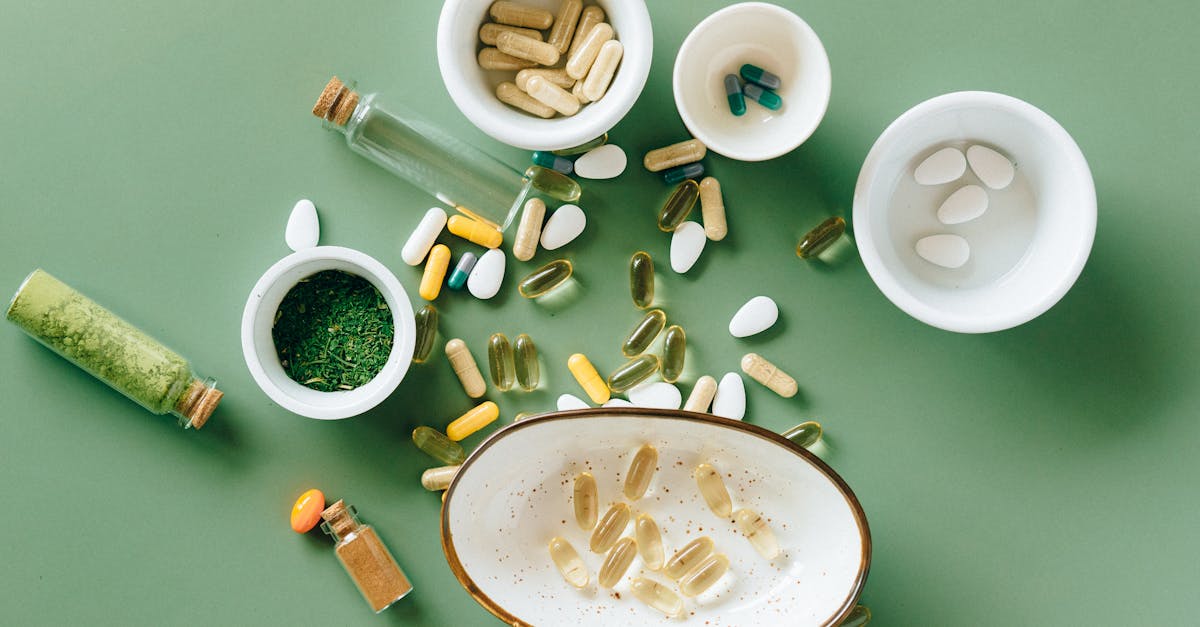
Why Vitamins Require Halal Scrutiny
Vitamins are among the most widely consumed supplements globally, with an estimated 77% of American adults reporting regular vitamin use according to the Council for Responsible Nutrition's 2023 consumer survey. For Muslim consumers, this routine health practice comes with an often-overlooked complication: many vitamin products contain ingredients derived from non-halal sources.
The issue is not the vitamins themselves — ascorbic acid (vitamin C), tocopherol (vitamin E), and cholecalciferol (vitamin D3) are chemical compounds with no inherent halal concern. The problem lies in the delivery systems, binders, colorants, and coatings that manufacturers add to make the product stable, palatable, and commercially viable. These inactive ingredients are where porcine gelatin, animal-derived glycerin, insect-based colorants, and other questionable substances enter the picture.
This guide examines each problematic ingredient in detail, explains how it appears in common vitamin products, and identifies halal-compliant alternatives that are readily available.
Problematic Ingredients in Detail
Gelatin (Porcine and Bovine)
Gelatin is derived by boiling the skin, tendons, ligaments, and bones of animals — most commonly pigs and cattle. In the vitamin industry, it serves two primary functions:
- Capsule shells: Both hard capsules (used for powdered multivitamins) and soft gels (used for oil-based vitamins like D3, E, and fish oil) are predominantly made from gelatin.
- Gummy base: Gummy vitamins rely on gelatin for their chewy texture. Most mainstream gummy vitamin brands — including popular children's multivitamins — use porcine gelatin.
Porcine gelatin is categorically haram (prohibited). Bovine gelatin is only halal if the cattle were slaughtered according to Islamic requirements (zabiha). Since most commercial bovine gelatin comes from non-zabiha sources, it is also considered non-compliant by the majority of scholars unless specifically certified.
Halal alternatives: HPMC (hydroxypropyl methylcellulose) capsules, also labeled as "vegetable capsules" or "veggie caps," are entirely plant-derived. For gummies, pectin (a fruit-derived gelling agent) replaces gelatin in halal-certified and vegan gummy vitamins. Fish gelatin is another option, as fish does not require ritual slaughter in Islamic law.
Glycerin (Glycerol)
Glycerin is used in soft gel capsules as a plasticizer (making the capsule shell flexible) and in liquid vitamins as a sweetener and preservative. It can be sourced from three origins:
- Animal fat (tallow): Non-halal unless from zabiha-slaughtered animals.
- Vegetable oil (palm, coconut, soy): Halal.
- Petroleum (synthetic): Halal.
The label will simply say "glycerin" or "glycerol" without indicating the source. In lower-cost supplements, animal-derived glycerin is common because it is a byproduct of the meat rendering industry and therefore inexpensive. Halal-certified products will specify "vegetable glycerin" or source from verified supply chains.
Shellac (Pharmaceutical Glaze / E904)
Shellac is a natural resin secreted by the female lac beetle (Kerria lacca). In vitamins, it serves as a coating for tablets and gummies, giving them a glossy finish and preventing them from sticking together in the bottle. It may appear on labels as:
- Shellac
- Pharmaceutical glaze
- Confectioner's glaze
- Natural glaze
- E904
The halal status of shellac is debated. Some scholars permit it because the lac beetle secretes the resin externally (similar to honey from bees), while others prohibit it based on the broader principle that insect-derived products are not permissible. For consumers who wish to avoid the ambiguity, alternatives exist: carnauba wax (from palm leaves) and beeswax (generally accepted as halal) serve the same coating function.
Carmine (Cochineal / E120)
Carmine is a bright red pigment produced by crushing dried cochineal insects. It is widely used to color:
- Gummy vitamins (especially berry-flavored and red-colored varieties)
- Chewable tablets
- Liquid supplements
Most scholars outside the Maliki school consider carmine impermissible because it is directly derived from crushed insects. It may be listed as "carmine," "cochineal extract," "natural red 4," "E120," or "CI 75470." Halal alternatives for red coloring include beetroot extract, lycopene (from tomatoes), and anthocyanins (from berries).
Lanolin-Derived Vitamin D3
The majority of vitamin D3 supplements derive cholecalciferol from lanolin — the oily substance in sheep's wool. The extraction process involves washing raw sheep's wool, collecting the wool grease, and chemically converting 7-dehydrocholesterol into cholecalciferol through UV irradiation.
The halal status of lanolin-derived D3 is a nuanced topic. Arguments for permissibility include: the sheep is not slaughtered (wool is shorn from living animals), the raw lanolin undergoes extensive chemical transformation (istihala), and the final product bears no resemblance to the original substance. Many scholars and halal certification bodies accept lanolin-derived D3 as halal. However, consumers who prefer to avoid any doubt can choose lichen-derived vitamin D3, which is entirely plant-based, or vitamin D2 (ergocalciferol), which is always plant-derived (though D3 is considered more effective by most nutritionists).
Stearic Acid and Magnesium Stearate
These are used as flow agents and lubricants in tablet manufacturing. They can come from animal tallow or vegetable sources. When the label does not specify "vegetable-sourced stearate," the origin is uncertain. Many reputable supplement brands now use vegetable-derived stearates and state this on their labels.
Vitamin-by-Vitamin Guide
| Vitamin | Common Non-Halal Risk | Halal Alternative |
|---|---|---|
| Vitamin D3 | Soft gel (gelatin), lanolin source | Lichen-based D3 in veggie capsule or tablet |
| Vitamin E | Soft gel (gelatin), glycerin | Dry-form tablet, vegetable glycerin soft gel |
| Omega-3 / Fish Oil | Soft gel (porcine gelatin) | Bovine gelatin (halal-certified) or algal oil capsule |
| Multivitamin (gummy) | Gelatin base, carmine, shellac | Pectin-based gummies from halal-certified brand |
| Multivitamin (tablet) | Magnesium stearate, shellac coating | Vegetable stearate, uncoated or carnauba wax coated |
| Vitamin B12 | Capsule (gelatin) | Sublingual tablet (dissolved under tongue, no capsule) |
| Iron | Capsule (gelatin), stearate | Liquid iron supplement, or tablet form |
| Calcium | Tablet coating (shellac), stearate | Uncoated tablet with vegetable stearate |
| Vitamin C | Generally low risk in tablet form | Ascorbic acid tablets are typically halal-compatible |
| Prenatal vitamins | Soft gel (gelatin), DHA capsule (gelatin) | Halal-certified prenatal with veggie capsules |
Halal-Certified Vitamin Brands
Several brands have made halal compliance a core part of their product identity:
- Noor Vitamins: IFANCA-certified, US-based. Full product line including multivitamins, vitamin D3, omega-3, and children's vitamins. All products use vegetable capsules or pectin gummies.
- Zaytun Vitamins: Halal-certified gummy and chewable vitamins for adults and children. Gelatin-free, carmine-free.
- Nutri-Halal: Malaysian brand with JAKIM certification, widely available in Southeast Asia.
- Halalivore: UK-based brand offering halal-certified supplements including protein powders, vitamins, and minerals.
For mainstream brands, NOW Foods and Solgar offer extensive vegetarian product lines that are often halal-compatible by composition (no animal-derived ingredients), though they may not carry formal halal certification. Always verify individual products rather than assuming an entire brand is compliant.
Reading Labels: A Quick Checklist
- Check the capsule type: "Gelatin capsule" = likely non-halal. "Vegetable capsule" or "HPMC" = plant-based.
- Look for glycerin: If present, is it specified as "vegetable glycerin"? If not, inquire with the manufacturer.
- Scan for colorants: Carmine, cochineal, E120, natural red 4 = insect-derived.
- Check for coatings: Shellac, pharmaceutical glaze, confectioner's glaze, E904 = insect-derived.
- Look for a halal certification logo from a recognized body.
- When in doubt, contact the manufacturer and ask for halal documentation.
The burden of verification should not fall entirely on consumers. As the halal supplement market matures, more brands are proactively seeking certification and clearly labeling their products. Until that becomes the norm, informed label reading remains the consumer's most reliable tool.
For more on broader pharmaceutical halal standards, see our article on halal pharmaceutical standards and challenges. To find recognized halal certification bodies in your region, visit our certifier directory.
For Halal Businesses
Is your business listed on HalalExpo?
Join 5,198 halal companies. Claim your free listing and connect with buyers worldwide.
More from Education Training
Education Training
Halal Vaccines: Scholarly Opinions and Available Options
A thorough examination of why vaccines raise halal concerns, the scholarly opinions from major Islamic bodies including the OIC and IIFA, halal-certified vaccine alternatives, country-specific guidance, and the landmark rulings on COVID-19 vaccines.
D
Dr. Nadia HussainEducation Training
Zakat Calculator: How to Calculate Zakat on Investments
A comprehensive guide to calculating zakat on cash, gold, stocks, property, crypto, and business assets. Includes step-by-step examples, nisab thresholds, and common mistakes to avoid.
I
Ibrahim Al-RashidEducation Training
Halal Auditor Career Guide: Qualifications, Training Programs & Career Paths
A practical guide to becoming a halal auditor. Covers required qualifications, recognized training programs from JAKIM, MUI, and IFANCA, career progression, and salary expectations across different markets.
H
HalalExpo Editorial TeamEducation Training
How to Become a Halal Auditor: Career Path, Qualifications, and Salary Guide
Halal auditing is a growing career field with strong demand. This guide covers qualifications required, training programmes, career progression, salary expectations, and how to enter the profession.
A
Aisha RahmanEducation Training
How to Become a Halal Auditor: Career Path, Training, and Qualifications
A guide to building a career as a halal auditor, covering required qualifications, training programs, certification body requirements, and what the day-to-day work involves.
H
HalalExpo Editorial TeamRelated Resources
More in This Category
- How to Start a Halal Food Business from Home: Complete Startup Guide
- How to Become a Halal Auditor: Career Path, Qualifications, and Salary Guide
- Zakat Calculator: How to Calculate Zakat on Investments
- Halal Food Ingredients: Understanding Emulsifiers, Gelatin Alternatives, and Hidden Non-Halal Additives