GCC / Middle East
Lebanon

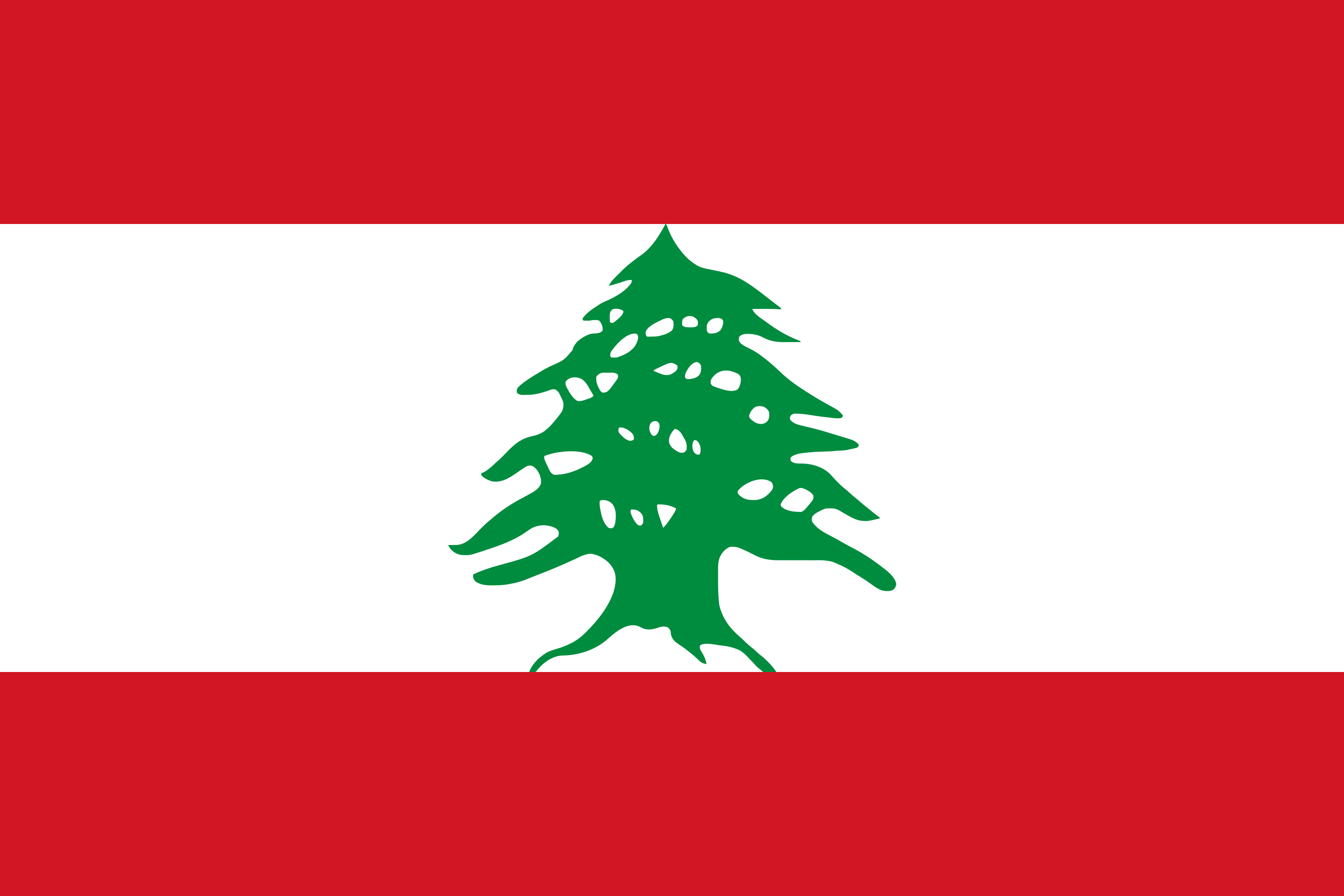 Tier 3: Emerging MarketHalal certification voluntary
- 54%
- Muslim population
- 2.9M
- Muslims
- 3.0%
- Yearly growth
Market Overview
- Total Population
- 5.4M
- Muslim Population
- 2.9M (54%)
- Market Growth (CAGR)
- 3.0%
- GDP (USD)
- $22B
- Per Capita Halal Spend
- $200-350 (severely suppressed by economic crisis)
- Ease of Business Rank
- #143
Regulatory Framework
- Halal Authority
- Dar al-Fatwa (Supreme Islamic Council of Lebanon)
- Certification Required
- No, Voluntary
- Key Legislation
- No mandatory national halal law; Dar al-Fatwa issues halal certificates for export; Libnor (Lebanese Standards Institution) developing halal standards
- Import Requirements
- Halal certification from Dar al-Fatwa or recognized international body accepted for Muslim consumers
- Labeling Requirements
- Voluntary halal labeling; no mandatory requirement under current fragmented regulatory environment
Industry
Top Halal Sectors
Food & BeveragesFood Export (Levantine cuisine)Islamic FinanceHalal Pharmaceuticals
Key Organisations
Dar al-Fatwa
Islamic authority and halal certification
Libnor (Lebanese Standards Institution)
Standards development
Association of Lebanese Industrialists (ALI)
Industry body
Trade Intelligence
- Top Halal Exports
- Lebanese food products to diaspora markets globally (olive oil, za'atar, processed Levantine food)
- Top Halal Imports
- Basic food commodities (wheat, meat, fuel subsidies collapsed)
- Government Incentives
- Severely limited due to ongoing economic crisis (2019–present); Investment Development Authority of Lebanon (IDAL) formally active but constrained
- FDI Rules
- Historically open; current economic collapse and currency crisis deter FDI
Key Trade Agreements
GAFTA (Greater Arab Free Trade Area)EU Association AgreementOIC
Consumer Insights
- Halal Awareness
- High among Muslim population (Sunni and Shia)
- E-Commerce Adoption
- Moderate; cash economy dominant post-banking collapse
- Cold Chain Maturity
- Moderate (pre-crisis infrastructure deteriorating)
- Per Capita Halal Spend
- $200-350 (severely suppressed by economic crisis)
- Dining Scene
- Mixed — many halal restaurants alongside non-halal in Beirut and other cities
- Halal Food Availability
- Moderate — widely available in Muslim areas; mixed in Christian-majority zones
- Tourism Infrastructure
- Historically tourist-friendly; severely impacted by political instability and port explosion (2020)
Key Trends
- •Economic crisis severely constraining halal market growth
- •Diaspora remittances sustaining consumer spending
- •Lebanese food export brand strong globally
Key Ports & Airports
Port of Beirut (rebuilding)Rafic Hariri International Airport
Companies in Lebanon
Halal Certifiers in Lebanon
Lebanon at a glance
- ISO Code
- LB
- Region
- GCC / Middle East
- Market Tier
- Tier 3
- Cert. Required
- No
Market Statistics
Halal Certification Rules
- Certification
- Voluntary
- Authority
- Dar al-Fatwa (Supreme Islamic Council of Lebanon)
- Import Requirements
- Halal certification from Dar al-Fatwa or recognized international body accepted for Muslim consumers
Related industry guides
Working with Lebanon suppliers or distributors? Pair this country profile with our Halal Supplier Sourcing Guide for vetting and RFQ playbooks, and the Halal Cosmetics Guide for one of the fastest-growing product categories in the global halal economy.