Loading…
Back to Blog
Indonesia Halal Market Entry Guide for Exporters 2026
Aisha RahmanMarch 24, 202613 min readBusiness Development
Indonesia is home to 277 million Muslims — the world's largest Muslim-majority population — and its mandatory BPJPH halal certification system now covers all food products as of October 2024. This guide covers the BPJPH registration process, approved foreign certifiers, labelling requirements, distribution landscape, and the fastest-growing product categories for exporters.
Editorial note: Market figures cited in this article are estimates based on publicly available industry reports and may vary by source. HalalExpo.com aims to present the most current data available but readers should verify figures for business decisions. Sources include the State of the Global Islamic Economy Report, DinarStandard, and national halal authority publications.
Indonesia is the world's largest halal consumer market by population. With 277 million Muslims representing approximately 87% of a total population of 280 million, Indonesia's halal food market is enormous in absolute scale — and it is undergoing a structural transformation that every food exporter must understand before entering or expanding in this market.
The transformation is the mandatory BPJPH halal certification system. As of October 2024, all food and beverage products sold in Indonesia are legally required to either carry BPJPH halal certification or declare non-halal status on their packaging. This mandate has fundamentally changed the compliance landscape: halal certification is no longer a market differentiator for export products targeting Indonesia — it is a legal prerequisite.
This guide covers the BPJPH system in full, the certification pathway for foreign manufacturers, approved foreign certifiers, labelling requirements, distribution landscape, e-commerce channels, and the product categories presenting the strongest growth opportunities for exporters in 2026.
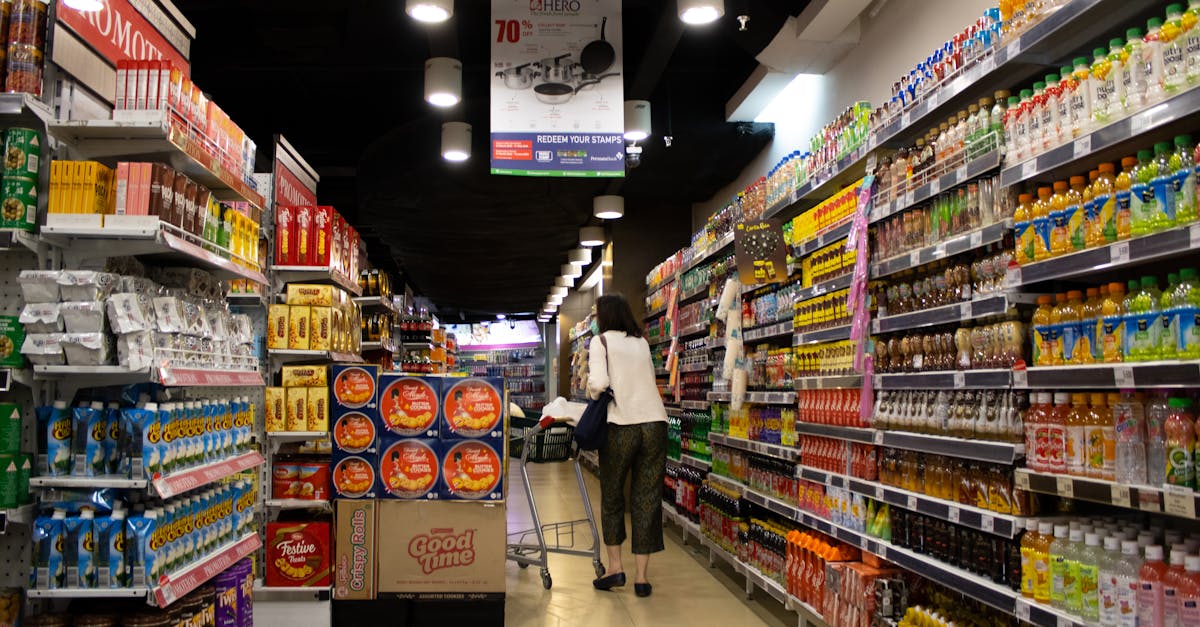
Population and Market Scale
Indonesia's 277 million Muslims make it the single largest Muslim-majority country in the world by population — larger than Saudi Arabia, Iran, Turkey, Egypt, and Nigeria combined. This concentration creates a domestic halal market of extraordinary scale. Indonesia's total food and beverage market exceeded $150 billion USD in 2023, with halal-certified products accounting for the dominant share.
The middle class is expanding rapidly. McKinsey estimates that Indonesia's consuming class (households with more than $7,500 annual income) will grow from approximately 85 million people today to over 130 million by 2030. This cohort is driving demand for premium imported food products across packaged snacks, dairy, confectionery, and branded beverages — categories where Indonesian domestic production is insufficient to meet demand or where imported brands carry significant consumer aspirational value.
The BPJPH Mandatory Halal Certification System
Background: From MUI to BPJPH
For decades, halal certification in Indonesia was managed by MUI (Majelis Ulama Indonesia — the Indonesian Ulema Council), an independent religious body. The MUI halal mark became one of the most recognised consumer trust symbols in Southeast Asia. The 2014 Halal Product Assurance Law (Law No. 33/2014) established BPJPH (Badan Penyelenggara Jaminan Produk Halal — the Halal Product Assurance Organizing Body) under the Ministry of Religious Affairs as the government authority responsible for halal certification. BPJPH began full operations progressively, with mandatory certification for food and beverages taking effect from October 2024.
How the System Works
BPJPH does not conduct halal inspections itself. Instead, it accredits Halal Inspection Bodies (Lembaga Pemeriksa Halal, or LPH) to conduct audits on its behalf. MUI's own inspection arm has been accredited as an LPH under BPJPH, which means MUI continues to play a central role — but now within a government-regulated framework rather than as an independent authority. After inspection by an LPH, the fatwa (religious ruling) on halal status is issued by MUI's Fatwa Commission, and BPJPH issues the official certificate and authorises use of the BPJPH halal logo.
Mandatory Halal Certification Timeline
| Product Category | Mandatory Date | Status |
|---|---|---|
| Food and Beverages | October 2024 | In effect |
| Slaughtered animals and products thereof | October 2024 | In effect |
| Cosmetics and personal care | October 2026 | Upcoming |
| Pharmaceuticals and health products | October 2028 | Upcoming |
| Chemical products and engineering goods | October 2028 | Upcoming |
For food and beverage exporters, the October 2024 deadline has passed. Products without BPJPH certification (or without a declared non-halal statement) are technically non-compliant for sale in Indonesia. Enforcement is being phased in, but the commercial reality is that major Indonesian retailers and distributors are already requiring BPJPH certification as a listing condition.
Registration Process for Foreign Manufacturers
Foreign food manufacturers cannot apply for BPJPH certification directly. They must work through an accredited LPH that has been approved to handle overseas audits. The process involves the following steps:
- Select an accredited LPH with international audit capability. Not all LPHs are equipped to conduct overseas factory audits. LPPOM MUI (MUI's inspection arm), SUCOFINDO, and SGS Indonesia are among the LPHs with international audit capacity. Confirm current accreditation status on the BPJPH website (bpjph.halal.go.id).
- Submit application to BPJPH. The manufacturer's Indonesian importer or local representative typically submits the application on behalf of the overseas manufacturer via the BPJPH SiHalal online portal.
- Halal audit by LPH. The LPH conducts a full facility audit covering ingredient sourcing, processing procedures, cleaning protocols, cross-contamination controls, and supply chain documentation. For overseas audits, this may be conducted in person by LPH auditors travelling to the facility, or remotely via documented evidence review plus video inspection for lower-risk product categories.
- Fatwa issuance by MUI Fatwa Commission. The LPH submits its audit report to MUI's Fatwa Commission for a religious determination on halal status.
- BPJPH certificate issuance. Upon a positive fatwa, BPJPH issues the official halal certificate, typically valid for 4 years. The manufacturer receives authorisation to use the official BPJPH halal logo on products sold in Indonesia.
Processing time from application submission to certificate issuance is typically 3–6 months for overseas manufacturers, depending on audit scheduling and documentation completeness.
Approved Foreign Certifiers Accepted by BPJPH
BPJPH operates a mutual recognition framework with selected foreign halal certification bodies. Products certified by these bodies may be eligible for a streamlined Indonesian certification process, as the foreign certification audit may reduce the scope of the BPJPH/LPH audit required. BPJPH-recognised foreign certifiers include:
| Certifier | Country | Recognition Status |
|---|---|---|
| JAKIM | Malaysia | Full mutual recognition |
| MUIS | Singapore | Full mutual recognition |
| IFANCA | USA | Recognised — streamlined processing |
| HFA | UK | Recognised — streamlined processing |
| CICOT | Thailand | Full mutual recognition |
| HDC/JAKIM-affiliated bodies | Various OIC countries | Case-by-case recognition |
Even with a recognised foreign certification, manufacturers will typically still need to complete BPJPH registration — the mutual recognition reduces audit burden but does not eliminate the registration requirement. Work with your Indonesian importer or a local regulatory consultant to confirm the specific pathway applicable to your certifier.
Labelling Requirements
Indonesian food labelling is regulated under BPOM (Badan Pengawas Obat dan Makanan — the National Agency of Drug and Food Control) regulations, with halal-specific labelling governed by BPJPH. Key requirements for imported food products:
- BPJPH halal logo — the official green halal logo issued by BPJPH must be prominently displayed on the principal display panel. The logo includes the text "HALAL" in Arabic script and Latin characters, and an embedded certification code linked to the BPJPH database.
- Bahasa Indonesia language. Product name, ingredient list, net weight, nutritional information, and storage/usage instructions must appear in Bahasa Indonesia. A sticker applied by the importer before distribution is an accepted method for adding Bahasa Indonesia text to imported products.
- Importer name and address must appear in Bahasa Indonesia, typically added via importer sticker.
- BPOM registration number (ML-prefix for imported products) — BPOM registration is a separate requirement from BPJPH halal certification. Both are required for food products sold in Indonesia.
- Nutritional declaration per serving and per 100g/100ml in the Indonesian BPOM format.
Distribution Landscape
Modern Retail
Indonesia's modern retail sector is dominated by two convenience store chains and several hypermarket/supermarket operators. Understanding the channel structure is critical for pricing strategy:
- Indomaret (~23,000 stores) — the largest convenience chain, owned by the Salim Group. Primarily serves everyday FMCG. SKU selection is tightly controlled; new brands typically enter via Indomaret's national distributor partners.
- Alfamart (~19,000 stores) — the second-largest convenience chain. Similar profile to Indomaret. Aggressive private-label development may compete with imported brands in mid-tier categories.
- Hypermart (PT Matahari Putra Prima) — hypermarket format, strong in packaged imported foods and premium categories. Good channel for first-entry premium food brands.
- Ranch Market / Farmers Market — premium supermarket targeting upper-middle and expatriate segments in Jakarta. Strong acceptance of premium imported foods with competitive margin structures.
- Carrefour / TransMart (CT Corp) — wide geographic coverage including secondary cities; good channel for scale once brand is established.
E-Commerce
Indonesia has one of the world's most active e-commerce ecosystems, and food and grocery online sales are growing at over 30% per year:
- Tokopedia / TikTok Shop — merged platform (post-GoTo/TikTok deal) representing Indonesia's largest marketplace. Premium and imported food brands perform strongly via brand-operated stores and live-commerce formats.
- Shopee — strong penetration in Tier 2 and Tier 3 cities. Shopee Mall (brand-official stores) is the preferred entry format for established imported brands.
- Lazada — Alibaba-backed platform; strong in electronics but growing food category. LazMall for official brands.
- GrabMart / GoMart — quick-commerce (1-2 hour delivery) channels growing rapidly for packaged food. High impulse-purchase conversion for snacks and beverages.
Key Entry Cities
- Jakarta (34M metropolitan population) — primary entry point for all imported food brands. Contains the highest concentration of modern retail, premium supermarkets, HoReCa venues, and e-commerce fulfilment infrastructure.
- Surabaya (East Java, 10M metro) — Indonesia's second city; strong manufacturing and trading hub. The ethnic Chinese business community here controls significant distribution networks for packaged food across East Java.
- Medan (North Sumatra, 4.5M metro) — gateway to Sumatra, with its own distinct retail and distribution networks. Strong demand for Malaysian and Middle Eastern food products given proximity and demographic ties.
Market Opportunities for Exporters
The five categories with the strongest export opportunity for halal-certified products targeting Indonesia in 2026:
- Dairy and dairy alternatives — Indonesia's domestic dairy industry meets only ~20% of national demand. UHT milk, cheese, and butter are in permanent high-volume import demand. Oat milk and plant-based dairy alternatives are a rapidly growing premium segment.
- Processed and packaged meats — BPJPH-certified processed meats (halal sausages, deli meats, canned meats) are in strong demand for the growing middle-class retail and foodservice sector.
- Premium packaged snacks — biscuits, chips, chocolate, and confectionery from internationally recognised brands command strong consumer demand and a willingness-to-pay premium over domestic alternatives.
- Functional and health beverages — vitamin waters, isotonic drinks, collagen beverages, and herbal teas are growing rapidly, particularly in the urban middle-class demographic.
- Ready-to-eat and convenience meals — demand is growing among Indonesia's urbanising workforce. Products with Indonesian-approved labelling and competitive price-points relative to local food have strong traction in modern retail.
For distributor connections and market intelligence specific to Indonesia, visit the Indonesia country profile on HalalExpo. For certifier guidance, see the HalalExpo Certifier Directory for BPJPH-accredited LPH listings.
For Halal Businesses
Is your business listed on HalalExpo?
Join 5,198 halal companies. Claim your free listing and connect with buyers worldwide.
More from Business Development
Business Development
Why Your Halal Business Needs an Online Presence in 2026
Still relying on trade shows and word-of-mouth? Here's why halal businesses that invest in online visibility are winning more deals in 2026.
H
HalalExpo EditorialBusiness Development
Top 10 Benefits of Being Listed in a Halal Business Directory
Discover why thousands of halal businesses list in online directories. From increased visibility to verified buyer leads, here are the top 10 benefits.
H
HalalExpo EditorialBusiness Development
How to Get Your Company Listed on HalalExpo.com
A step-by-step guide to claiming or creating your company profile on HalalExpo.com, the leading halal business directory connecting suppliers, buyers, and certification bodies worldwide.
H
HalalExpo EditorialBusiness Development
How to Start a Halal Food Business: Complete Startup Guide
Step-by-step guide for entrepreneurs entering the halal food market.
H
HalalExpo EditorialBusiness Development
Halal Market Entry Strategy: How to Enter New Muslim-Majority Markets
A strategic framework for companies looking to enter halal markets for the first time. Covers market selection, regulatory navigation, distribution models, and common pitfalls.
O
Omar Al-RashidRelated Resources
Pillar Guides
More in This Category
- Halal Catering for Weddings: How to Plan, What to Ask, and Where to Find Certified Caterers
- Halal Food Suppliers in the UK: Directory of Verified Distributors and Manufacturers
- How to Find Halal Suppliers at Trade Shows: A Buyer's Sourcing Guide
- Halal Certification for Restaurants: A Step-by-Step Guide for Food Service Businesses