Loading…
Back to Blog
UAE Halal Food Market: Opportunities and Entry Requirements 2026
Marcus WebbMarch 25, 202612 min readBusiness Development
The UAE's $20 billion halal food market is the GCC's most sophisticated import gateway, with ESMA mandatory certification, a thriving HoReCa sector, and world-class trade show infrastructure at Gulfood and SIAL Middle East. This guide covers ESMA requirements, JAFZA free zone advantages, retail landscape, and the five fastest-growing product segments.
Editorial note: Market figures cited in this article are estimates based on publicly available industry reports and may vary by source. HalalExpo.com aims to present the most current data available but readers should verify figures for business decisions. Sources include the State of the Global Islamic Economy Report, DinarStandard, and national halal authority publications.
The UAE is the GCC's most strategically important halal food market — and its most accessible gateway to the wider Gulf and Middle East region. With a $20 billion annual halal food market, world-class logistics infrastructure, a concentration of global food distributors, and the region's most dynamic HoReCa sector, the UAE offers exporters a combination of direct market access and re-export platform that no other Gulf market can replicate.
Dubai alone hosts over 200 nationalities, with a Muslim population exceeding 75% of the UAE's total 10 million residents. The country's total population is projected to grow to 12 million by 2030, and its tourism sector (19 million visitors in 2023) generates enormous per-capita halal food demand across hotels, restaurants, cruise terminals, and airports. For halal food exporters, the UAE is simultaneously an end-market and a springboard.
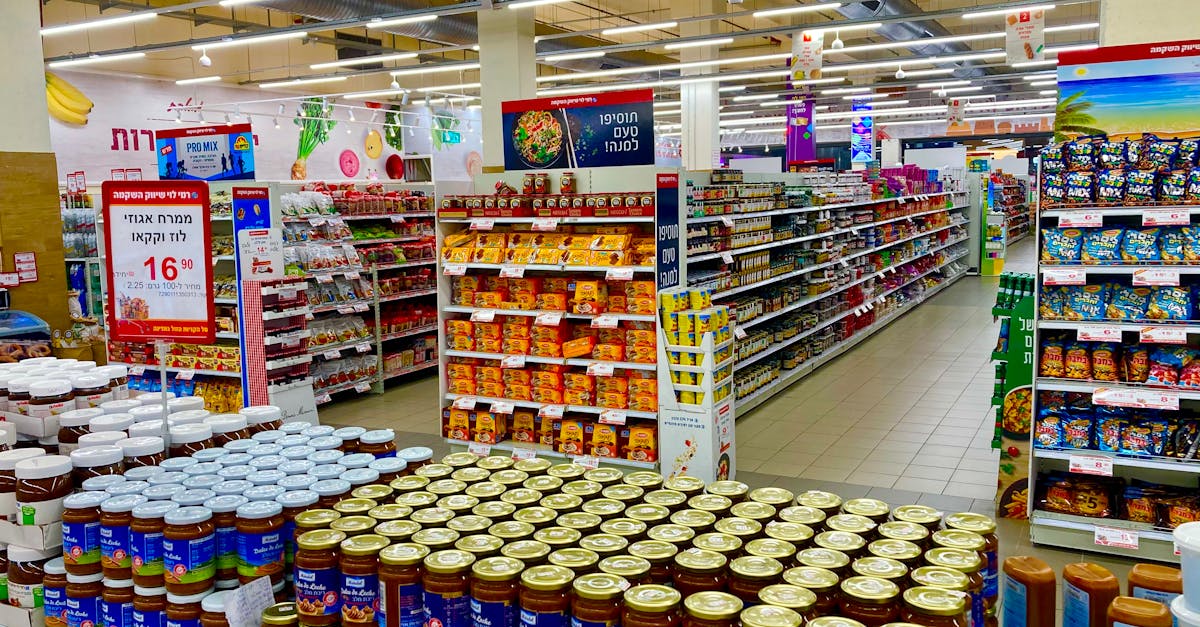
Market Overview
The UAE imports approximately 90% of its food supply. The UAE's geographic position — within a 4-hour flight of 2.5 billion people — and its investment in port and logistics infrastructure (Jebel Ali Port is the world's 9th busiest container port) make it one of the most efficient food import hubs in the world.
UAE Halal Food Market by Channel
| Channel | Share of Market | Key Players |
|---|---|---|
| Organised Retail (supermarkets/hypermarkets) | ~45% | Carrefour, Lulu, Spinneys, Union Coop, Waitrose |
| HoReCa (hotels, restaurants, catering) | ~30% | Emirates, Marriott, Rotana, independent restaurant chains |
| Food Service / Institutional | ~12% | Institutional catering companies, airline caterers |
| E-commerce and quick commerce | ~8% | Noon, Amazon.ae, InstaShop, Carrefour Now |
| Traditional trade / specialty stores | ~5% | Independent grocers, ethnic specialty chains |
ESMA Certification: Mandatory for Food Products
The Emirates Authority for Standardization and Metrology (ESMA) is the UAE's national standards body and the regulatory authority that governs halal certification for food products sold in the UAE. Halal certification from an ESMA-accredited halal certification body is mandatory for all food and beverage products making a halal claim or marketed to Muslim consumers in the UAE.
ESMA's halal standard — UAE.S 2055 (aligned with the Gulf Standardization Organization's GSO 2055 standard) — governs the requirements that products and their supply chains must meet to be certified halal for the UAE market. UAE.S 2055 covers:
- Permissibility of all raw materials and ingredients
- Slaughter requirements (for meat and poultry)
- Processing facility requirements (cross-contamination controls, cleaning procedures)
- Packaging and labelling
- Supply chain traceability
ESMA-Accredited Halal Certification Bodies
ESMA accredits both UAE-based and international halal certification bodies to certify products for the UAE market. The ESMA website (esma.gov.ae) maintains a current list. Internationally, the following bodies are generally accepted for UAE market access:
- JAKIM (Malaysia) — widely accepted; JAKIM-certified products typically have the most streamlined UAE import processing.
- MUIS (Singapore) — accepted.
- IFANCA (USA) — accepted for North American and European-manufactured products.
- HFA (UK) — accepted for UK-origin products.
- Emirates International Accreditation Centre (EIAC)-accredited UAE bodies — several UAE-based certifiers operate under EIAC accreditation.
Always confirm current ESMA accreditation status with your UAE importer or directly via the ESMA portal before committing to a certification contract specifically for UAE market entry.
Dubai vs Abu Dhabi Regulations
The UAE is a federation, and while food safety regulations are increasingly harmonised at the federal level through ESMA, Dubai and Abu Dhabi have historically operated parallel municipal food safety enforcement structures:
- Dubai Municipality (DM) — the Dubai Food Safety Department enforces food safety and halal compliance within Dubai emirate. Dubai Municipality has its own approved list of halal certification bodies, which largely (but not identically) overlaps with ESMA's list. For products distributed primarily in Dubai, confirming DM approval of your certifier is advisable.
- Abu Dhabi Agriculture and Food Safety Authority (ADAFSA) — regulates food safety and halal compliance in Abu Dhabi emirate. ADAFSA's requirements are generally aligned with ESMA federal standards.
For most practical export purposes, obtaining ESMA-compliant halal certification covers the UAE at the federal level. Working with a UAE-based importer who understands both emirate-level and federal requirements is the most effective way to navigate any remaining complexity.
JAFZA Free Zone: Advantages for Food Distributors
The Jebel Ali Free Zone (JAFZA) is one of the world's largest free trade zones and is adjacent to Jebel Ali Port. For international food brands planning to use the UAE as a GCC distribution hub, establishing a presence in JAFZA offers significant advantages:
- 100% foreign ownership — no local partner or sponsor required for JAFZA-registered entities.
- Zero corporate tax on profits generated from re-export activities (subject to UAE corporate tax rules on domestic sales).
- Duty-free storage and re-export — goods stored in JAFZA can be re-exported without UAE import duties, making JAFZA an extremely cost-effective GCC distribution hub. Import into the UAE domestic market from JAFZA attracts standard 5% GCC customs duty.
- Cold chain infrastructure — JAFZA has purpose-built cold storage and temperature-controlled warehousing for food products.
- Proximity to Jebel Ali Port — the world's largest man-made harbour and a primary transhipment hub for GCC-bound cargo.
- Streamlined documentation — JAFZA-registered importers benefit from Dubai Customs' well-developed digital clearance infrastructure, which is among the most efficient in the world.
Many international food brands distribute to Saudi Arabia, Kuwait, Qatar, Bahrain, and Oman from a JAFZA warehouse, using the UAE as a single-entry point for GCC-wide distribution. This approach simplifies logistics, reduces per-country customs documentation requirements, and leverages the UAE's superior cold chain infrastructure relative to some other GCC markets.
Retail Landscape
The UAE's modern retail sector is highly developed and offers several distinct channels for imported halal food brands:
- Carrefour (Majid Al Futtaim) — largest food retailer in the UAE by store count and revenue. Strong across all product categories; the preferred entry channel for mass-market imported brands. Carrefour MAF operates separately from Carrefour Saudi Arabia and has its own buying team.
- Lulu Hypermarket — UAE-origin chain now operating across GCC and international markets. Particularly strong penetration in Abu Dhabi and the Northern Emirates. Known for strong representation of South and Southeast Asian food products.
- Spinneys — premium supermarket chain with strong expatriate and upper-middle-class UAE national consumer base. Excellent channel for premium European, Australian, and North American food brands. Spinneys buyers actively seek differentiated imported products.
- Union Coop — UAE nationals' cooperative supermarket chain; strong in Dubai. Important channel for products targeting UAE national consumers specifically.
- Waitrose (Park'n'Shop) — premium British supermarket operating under franchise; strong in upscale Dubai residential areas. Excellent channel for premium UK-branded halal foods.
The HoReCa Opportunity
The UAE's hotel, restaurant, and catering (HoReCa) sector is disproportionately large relative to the country's population size, and represents one of the most lucrative channels for premium halal food exports.
The UAE has more 5-star hotel rooms per capita than any country in the world. Emirates Group Catering (which services Emirates flights and operates airport lounges) is one of the world's largest halal catering operations, preparing over 225,000 meals daily. Rotana, Marriott, Hilton, InterContinental, and Accor together operate hundreds of hotels in the UAE, all requiring certified halal food supply chains.
For exporters of premium proteins (lamb, beef, poultry), dairy, speciality cheeses, sauces, and dessert ingredients, the UAE HoReCa channel can often be more accessible and better-margined than the retail channel. Entry typically involves approaching food service distributors such as Horeca Trade (Dubai), Agthia Group, and Al Jadeed Group rather than the retail buying teams.
Trade Show Opportunities
Gulfood (Dubai, February)
Gulfood is the world's largest annual food and beverage trade exhibition. Held at Dubai World Trade Centre every February, Gulfood attracts over 5,000 exhibitors from 120+ countries and more than 100,000 trade visitors. For halal food exporters targeting the GCC, it is the single most important meeting place for distributor acquisition, buyer meetings, and brand positioning. The show has a dedicated Halal World Food section. Exhibiting at or visiting Gulfood should be a core element of any UAE/GCC market entry strategy.
SIAL Middle East (Abu Dhabi, November)
SIAL Middle East is part of the global SIAL trade show network (sister event to SIAL Paris) and is held annually in Abu Dhabi. It attracts approximately 30,000 trade visitors and focuses particularly on the Abu Dhabi and wider Gulf institutional procurement market. Good supplementary event for brands already established at Gulfood, or for products specifically targeting Abu Dhabi-based buyers.
Five Fastest-Growing Product Segments
1. Plant-Based Halal Foods
The UAE has one of the highest concentrations of health-conscious, internationally exposed consumers in the world. Plant-based meat alternatives (Beyond Meat, Impossible Foods, and regional alternatives), oat milk, pea-protein products, and vegan food ranges are experiencing rapid growth. For plant-based products to succeed with Muslim consumers in the UAE, halal certification is still important even if the product contains no animal-derived ingredients — processing equipment cross-contamination with non-halal products is a concern that certification addresses.
2. Functional and Health Foods
The UAE's health-conscious consumer demographic drives strong demand for functional foods — fortified cereals, collagen drinks, prebiotic/probiotic products, low-sugar alternatives, and superfood-positioned products. The expatriate professional demographic (approximately 88% of the UAE's population is expatriate) shows particularly strong affinity for premium health-positioned food products.
3. Premium Halal Chocolates and Confectionery
The UAE's gifting culture — driven by religious occasions (Ramadan, Eid), corporate gifting, and hospitality customs — creates a consistent premium chocolate and confectionery market. Belgian, Swiss, and UK premium chocolate brands with halal certification perform extremely well. Bespoke Ramadan gifting collections (premium dates, chocolates, sweets in gift packaging) represent a high-margin seasonal opportunity.
4. Halal Ready Meals and Convenience Foods
The UAE's working professional population has high time pressure and significant disposable income — a perfect combination for premium halal ready meals. Chilled and ambient ready meals, meal kits, and convenience food products from UK, European, and Australian producers with relevant halal certification are growing strongly in both retail and e-commerce channels.
5. Halal Health Supplements
Vitamins, minerals, sports nutrition, and functional supplements are growing across all GCC markets. The UAE's health club culture, large South Asian diaspora (with specific supplement consumption patterns), and health-focused Emirati national demographic all drive demand. Supplements must comply with UAE Ministry of Health product registration requirements in addition to halal certification.
Practical Entry Steps
- Appoint a UAE-registered importer/distributor. Foreign food companies cannot import directly into the UAE without a registered local entity. Find your importer at Gulfood or via the HalalExpo Business Directory.
- Obtain ESMA-compliant halal certification from an accredited body. Confirm your certifier is on ESMA's approved list.
- Register with Dubai Municipality or ADAFSA (depending on emirate of distribution) for food import approval. Your importer typically manages this process.
- Prepare Arabic label artwork. Arabic labelling is required; importer sticker is acceptable for first shipments while permanent label artwork is approved.
- First shipment documentation: Commercial invoice, packing list, bill of lading, halal certificate, certificate of origin, health certificate (for animal products), and import permit from your importer.
Explore the UAE country profile on HalalExpo for distributor listings, certifier contacts, and upcoming Dubai trade events.
For Halal Businesses
Is your business listed on HalalExpo?
Join 5,198 halal companies. Claim your free listing and connect with buyers worldwide.
More from Business Development
Business Development
Why Your Halal Business Needs an Online Presence in 2026
Still relying on trade shows and word-of-mouth? Here's why halal businesses that invest in online visibility are winning more deals in 2026.
H
HalalExpo EditorialBusiness Development
Top 10 Benefits of Being Listed in a Halal Business Directory
Discover why thousands of halal businesses list in online directories. From increased visibility to verified buyer leads, here are the top 10 benefits.
H
HalalExpo EditorialBusiness Development
How to Get Your Company Listed on HalalExpo.com
A step-by-step guide to claiming or creating your company profile on HalalExpo.com, the leading halal business directory connecting suppliers, buyers, and certification bodies worldwide.
H
HalalExpo EditorialBusiness Development
How to Start a Halal Food Business: Complete Startup Guide
Step-by-step guide for entrepreneurs entering the halal food market.
H
HalalExpo EditorialBusiness Development
Halal Market Entry Strategy: How to Enter New Muslim-Majority Markets
A strategic framework for companies looking to enter halal markets for the first time. Covers market selection, regulatory navigation, distribution models, and common pitfalls.
O
Omar Al-RashidRelated Resources
Pillar Guides
More in This Category
- Halal Catering for Weddings: How to Plan, What to Ask, and Where to Find Certified Caterers
- Halal Food Suppliers in the UK: Directory of Verified Distributors and Manufacturers
- How to Find Halal Suppliers at Trade Shows: A Buyer's Sourcing Guide
- Halal Certification for Restaurants: A Step-by-Step Guide for Food Service Businesses