Loading…
Muslim business traveller's guide
Doha, Qatar

Muslim Traveller Guide
Halal Doha
Doha, the Qatari capital, is one of the most comfortable cities in the world for a Muslim business traveller: Qatar is a Muslim-majority Gulf state, so all food is halal by default (no pork, and alcohol is tightly restricted), the call to prayer marks the day, and mosques are everywhere. For anyone in town for the Qatar Halal Expo, getting around is easy — the modern driverless Doha Metro (opened 2019) plus the Karwa taxi fleet and the Uber/Careem apps cover the compact city.
QARArabia Standard Time, UTC+3 — no daylight saving.
5 halal places to visit
Mosques & sights in Doha
The mosques and Islamic-heritage landmarks worth your time around the expo.
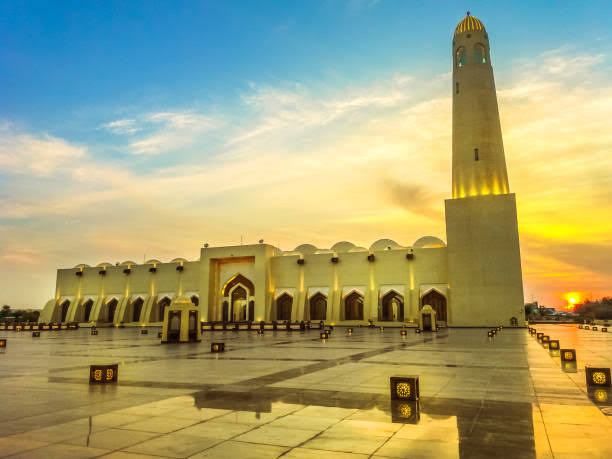
Imam Muhammad ibn Abdul Wahhab Mosque
Doha
Qatar's largest mosque, open for prayer and welcoming to visitors.
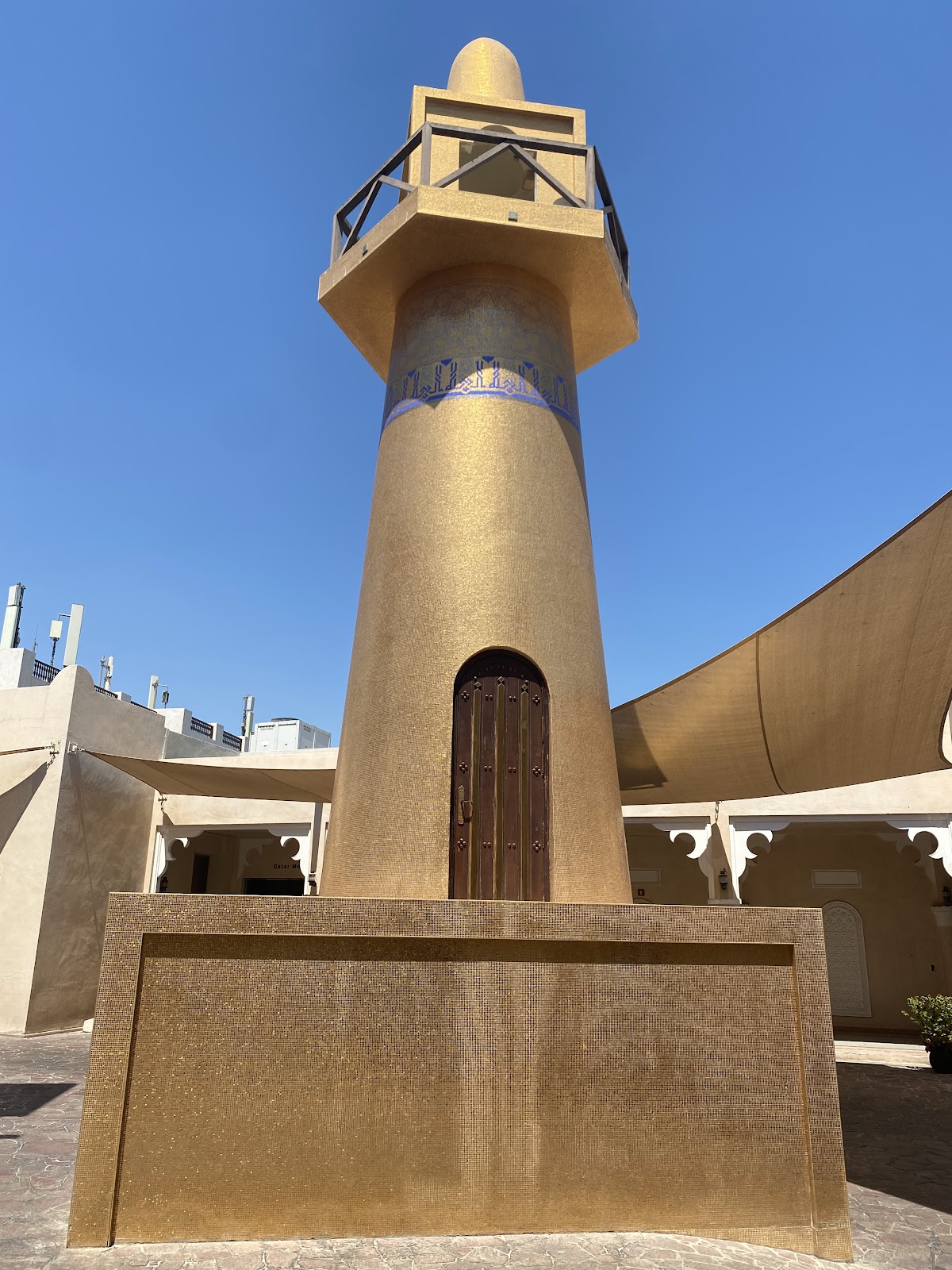
Katara Mosque (Golden Mosque)
Katara Cultural Village
A striking gold-tiled mosque within the cultural village.
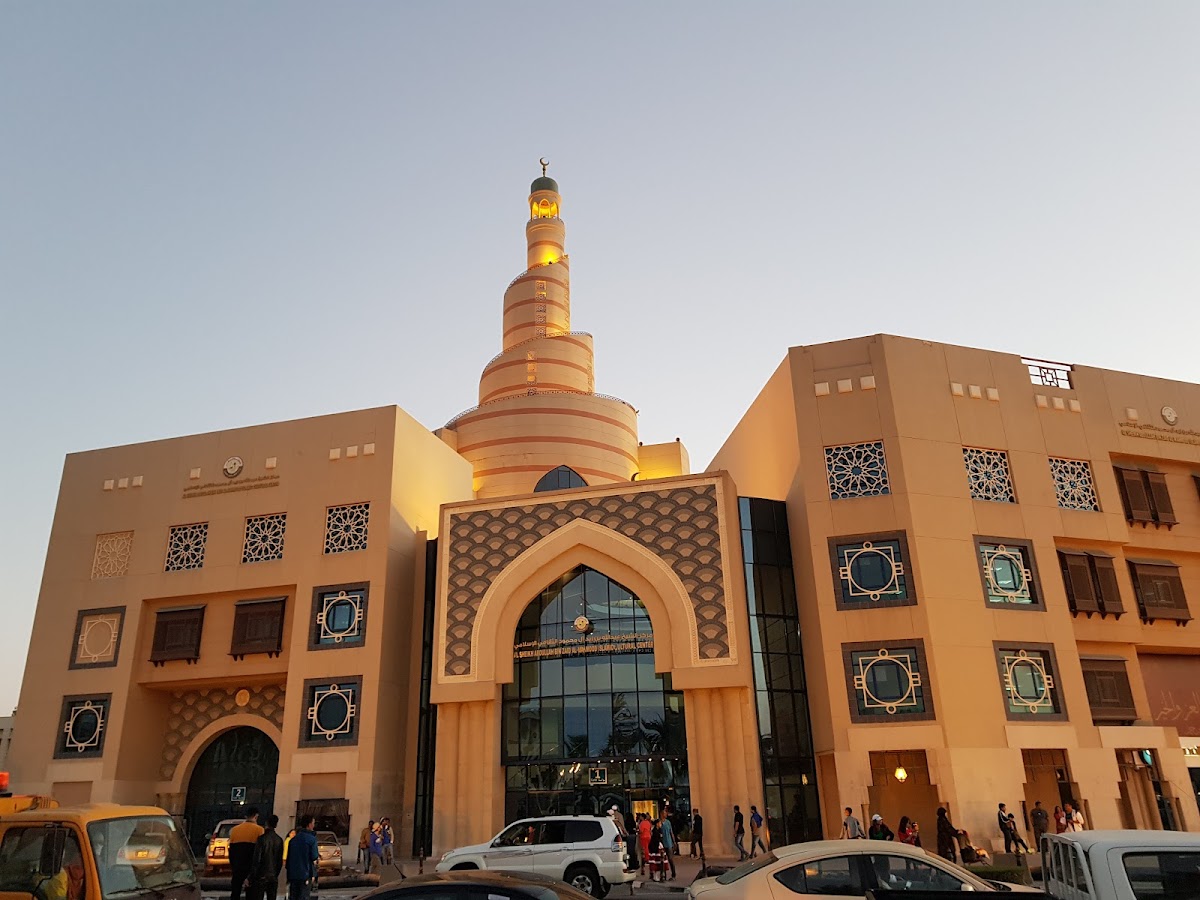
Fanar – Qatar Islamic Cultural Centre
Doha
A spiral-minaret centre offering tours explaining Islam and local culture.
5 places to eat
Where to eat — top halal spots
Real, well-loved halal restaurants across Doha, from cheap local legends to special-occasion dining.
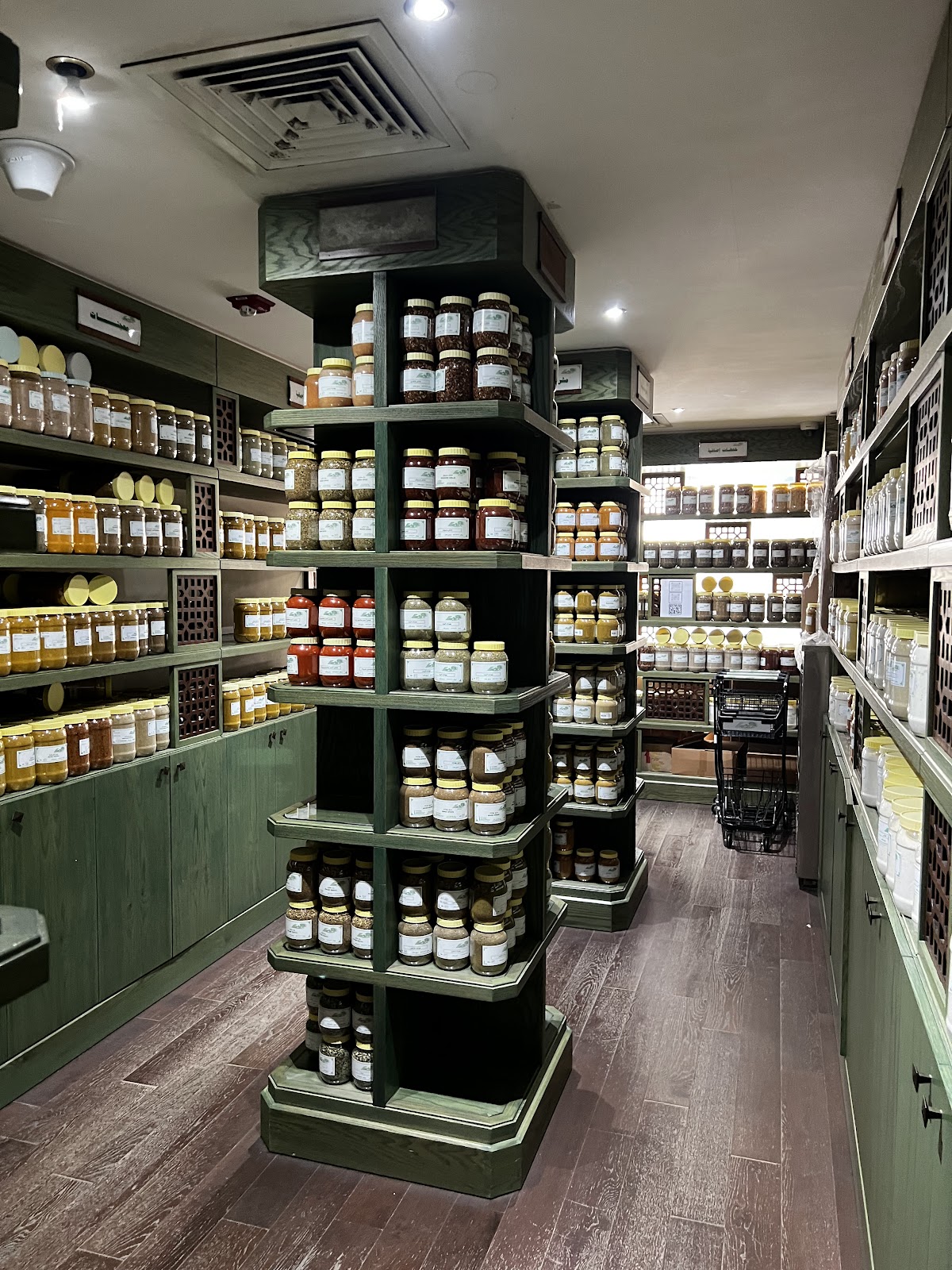
Shay Al Shoomos
Qatari · Souq Waqif$$
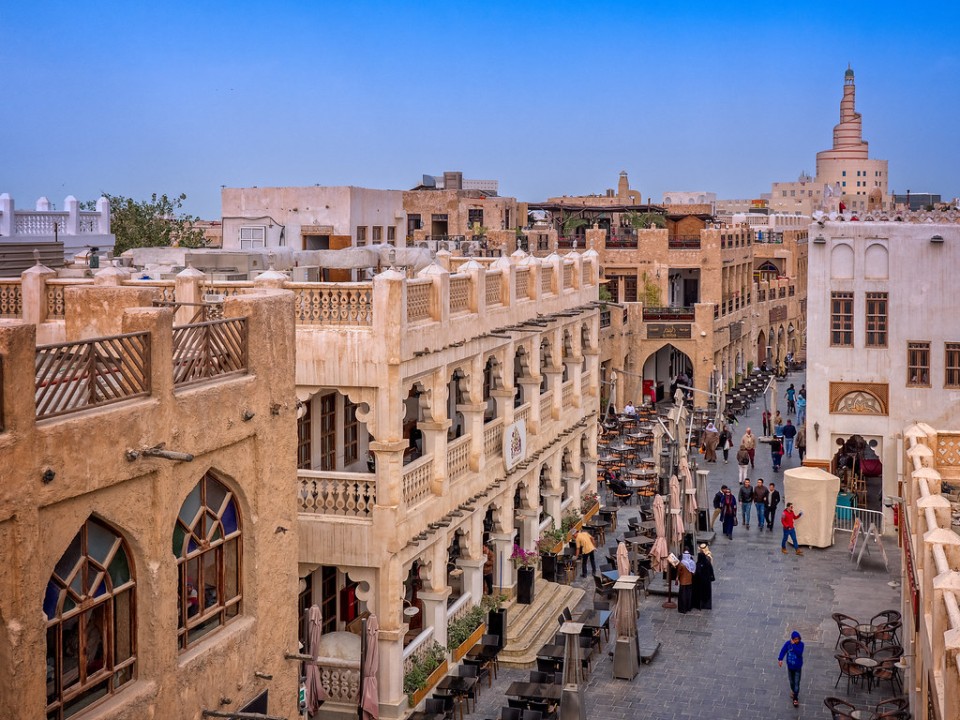
A homely spot for traditional Qatari home cooking in the heart of the old souq.
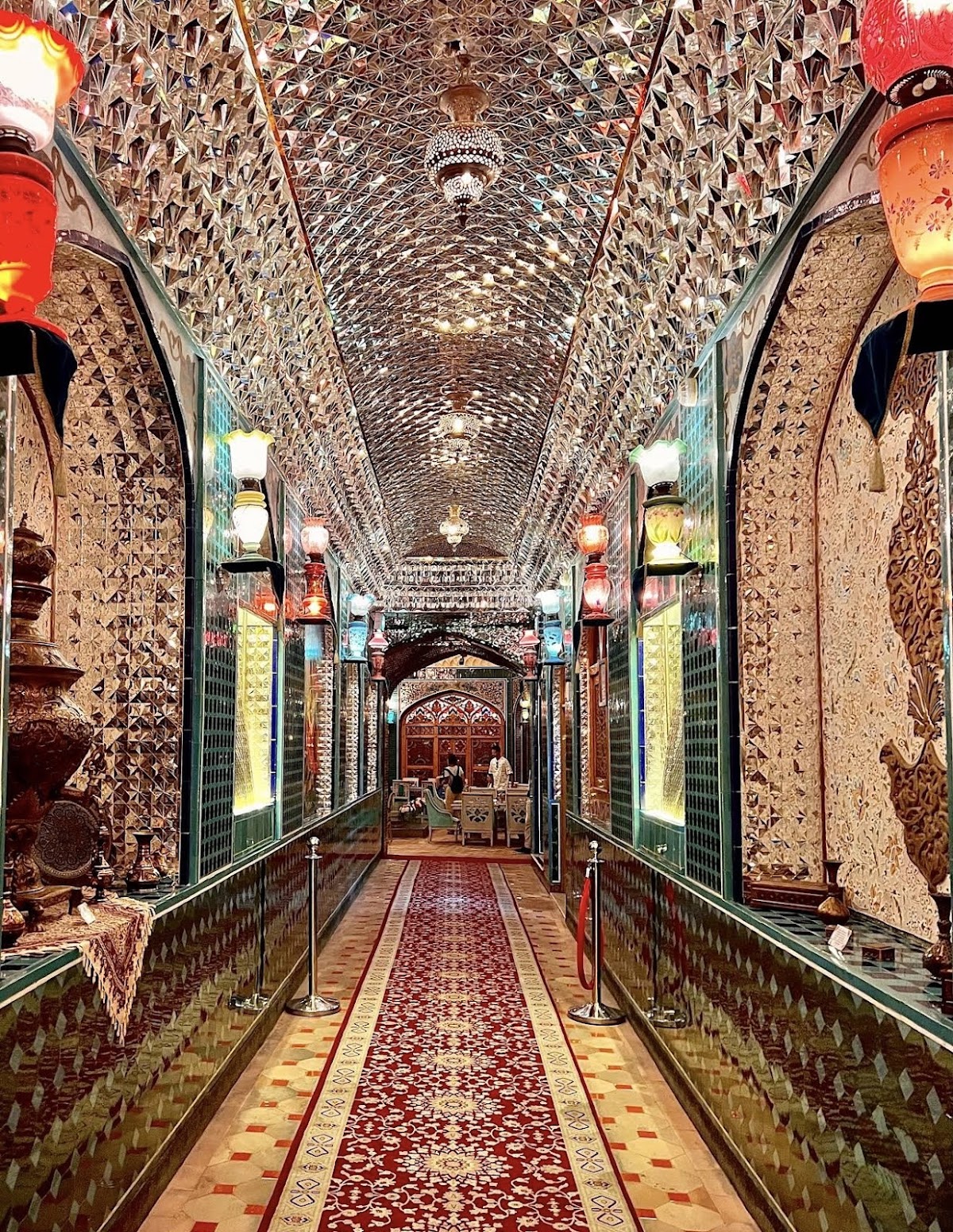
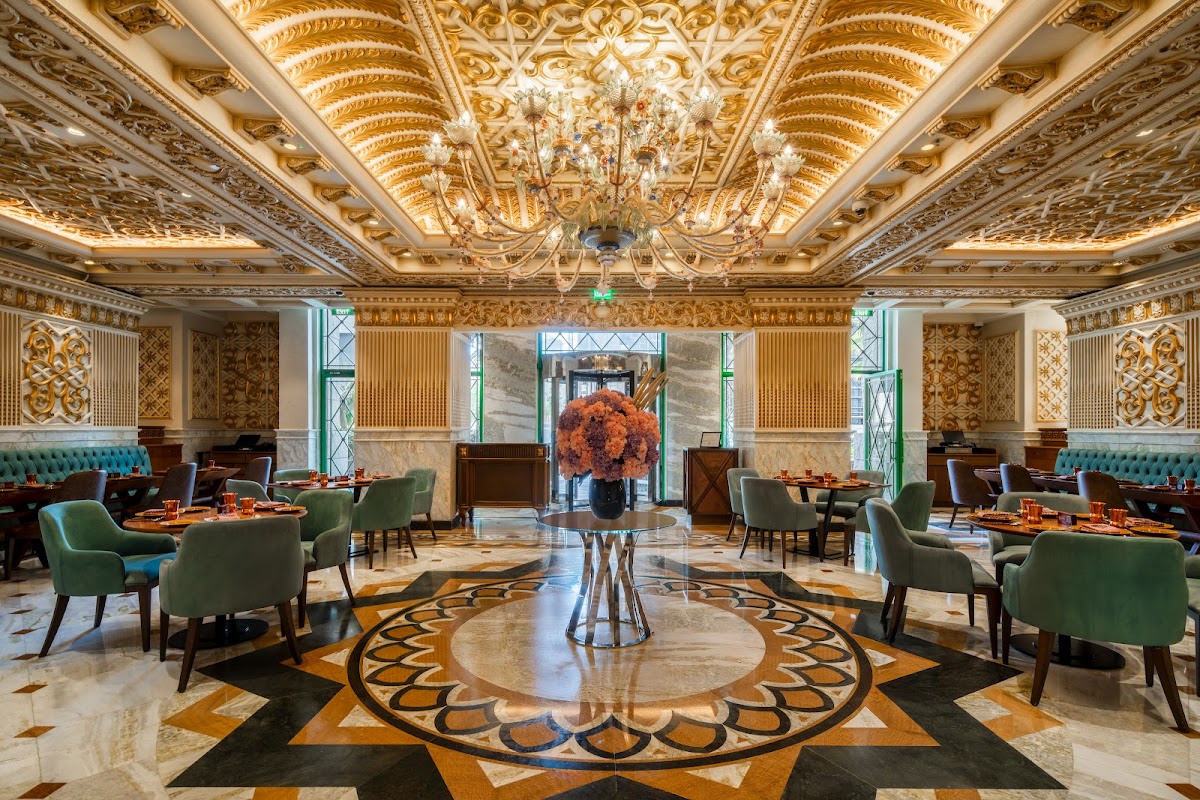
Parisa Souq Waqif
Persian · Souq Waqif$$$
A grand mirror-tiled dining room serving Persian kebabs and stews.
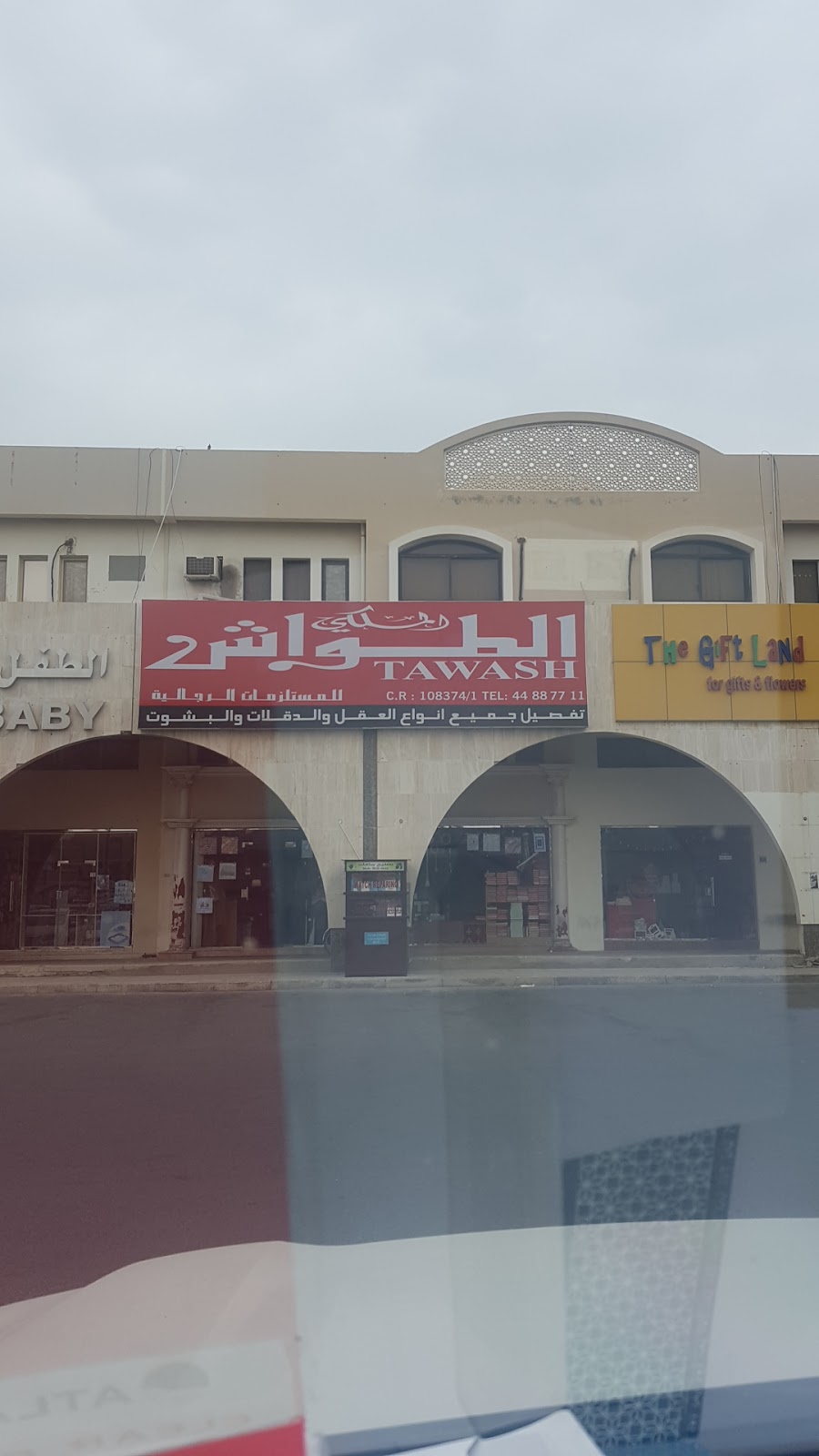
Al Tawash
Qatari Seafood · Souq Waqif$$
Fresh grilled local fish and Gulf seafood in a relaxed setting.
Where to stay
Hotels for every budget
Hand-picked places to stay, near the action.
Luxury
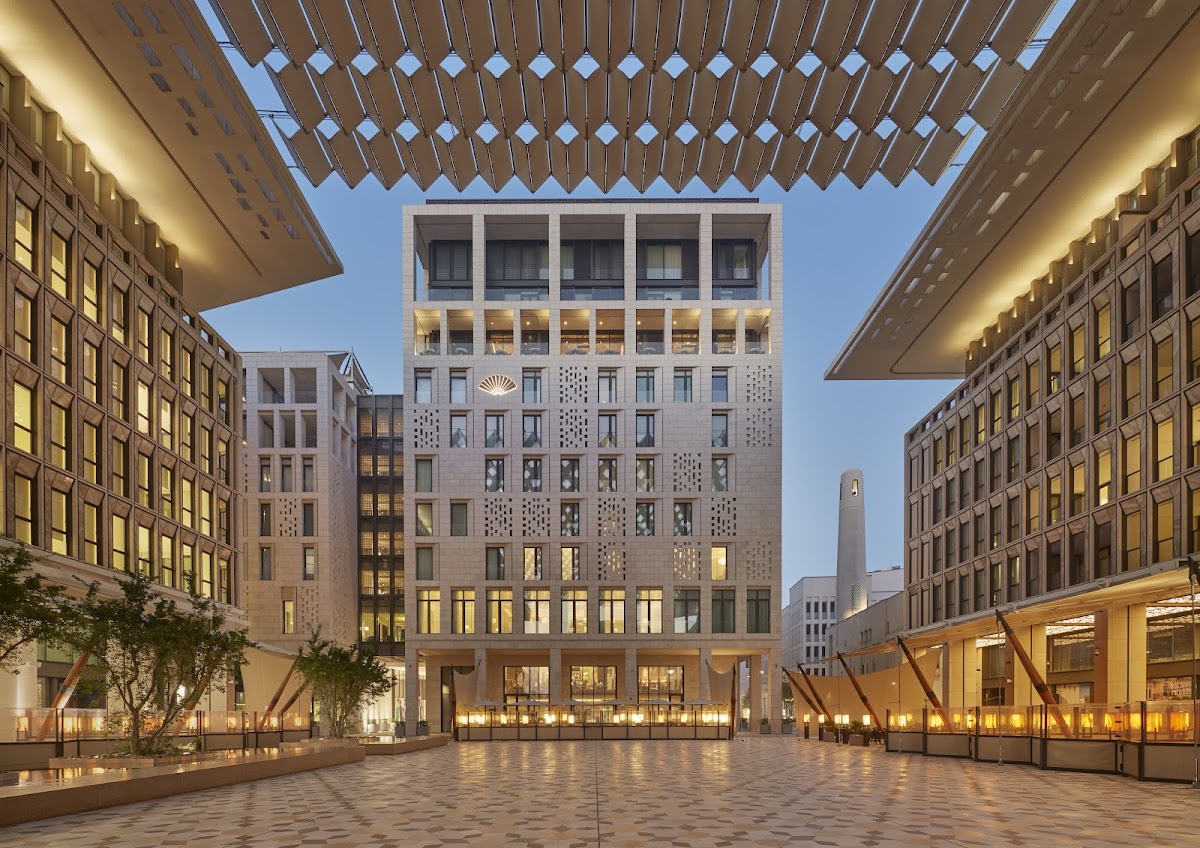
Mandarin Oriental, Doha
Msheireb Downtown
A stylish retreat with Qatari-inspired design in the walkable downtown district.
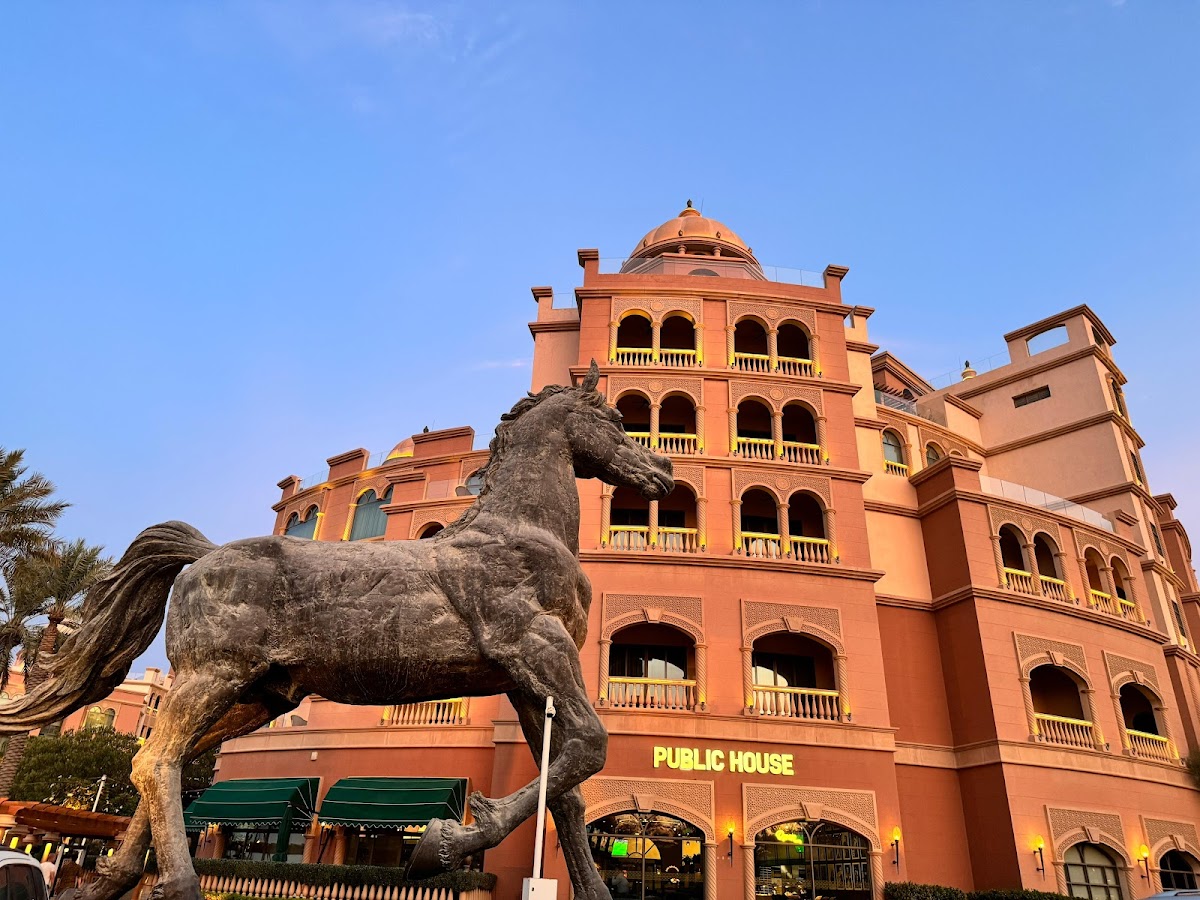
Marsa Malaz Kempinski
The Pearl
A beachfront palace-style resort with gardens and Gulf views.
Mid-range
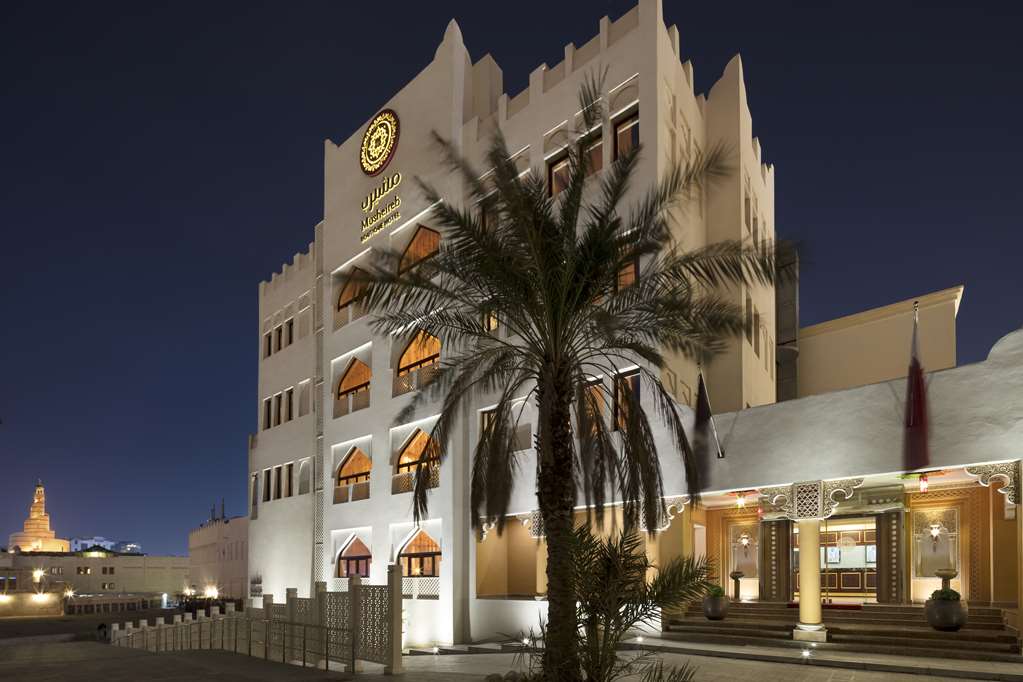
Souq Waqif Boutique Hotels
Know before you go
The essentials
Everything a Muslim traveller needs to land in Doha with confidence.
Getting in
Hamad International Airport (DOH)
• Doha Metro (Red Line) — ~30 min to the centre
• Karwa taxi — 15-25 min to the centre
• Uber / Careem — 15-25 min
Getting around
The Doha Metro (three driverless lines — Red, Green and Gold, opened 2019) links the airport, the main business and exhibition districts and the centre; Karwa city buses and metro feeder buses fill the gaps.
Official Karwa taxis are metered and plentiful; Uber and Careem are the simplest option for door-to-door. The city is car-oriented, so factor in distances and the summer heat.
Visa & entry
Many nationalities can enter Qatar visa-free for short stays or obtain a visa on arrival, and others can apply online via the Hayya / official Qatar e-visa portal; business-visitor travel for events is generally covered. Confirm eligibility for your passport on the official Qatar visa portal before travelling.
Getting here
Travelling from a major halal market?
Most halal-expo buyers and exhibitors fly in from the world's main halal hubs. Here's how to reach Doha from each — entry rules vary by nationality, so check the Visa & entry note.
Sources: https://visitqatar.com · https://dohahamadairport.com · https://www.moi.gov.qa · https://www.qr.com.qa
Other halal expo cities
Nearby and frequently-paired destinations, with the same Muslim-traveller guide.