Loading…
Muslim business traveller's guide
Casablanca, Morocco

Muslim Traveller Guide
Halal Casablanca
Casablanca is Morocco's largest city and economic capital — a busy Atlantic port and business hub, and the country's main trade-fair city, where food and halal expos are held at the OFEC exhibition grounds (Foire Internationale de Casablanca). Morocco is a Muslim-majority country, so unlike France or the Netherlands you do not need to hunt for halal: all commercially slaughtered meat is halal and effectively every restaurant serves halal food by default, from medina grills to modern cafés. The city's landmark is the vast Hassan II Mosque on the seafront — one of the largest mosques in the world and, unusually, one of the few in Morocco open to non-Muslim guided tours. Getting around is straightforward: a modern tramway crosses the city, and an ONCF train links the airport to the centre. One thing to plan for: the Moroccan dirham is a closed currency you can only get inside the country, so exchange on arrival.
MADMorocco observes UTC+1 year-round (Western European Time +1, in place since 2018), briefly reverting to UTC+0 only during the month of Ramadan.
5 halal places to visit
Mosques & sights in Casablanca
The mosques and Islamic-heritage landmarks worth your time around the expo.
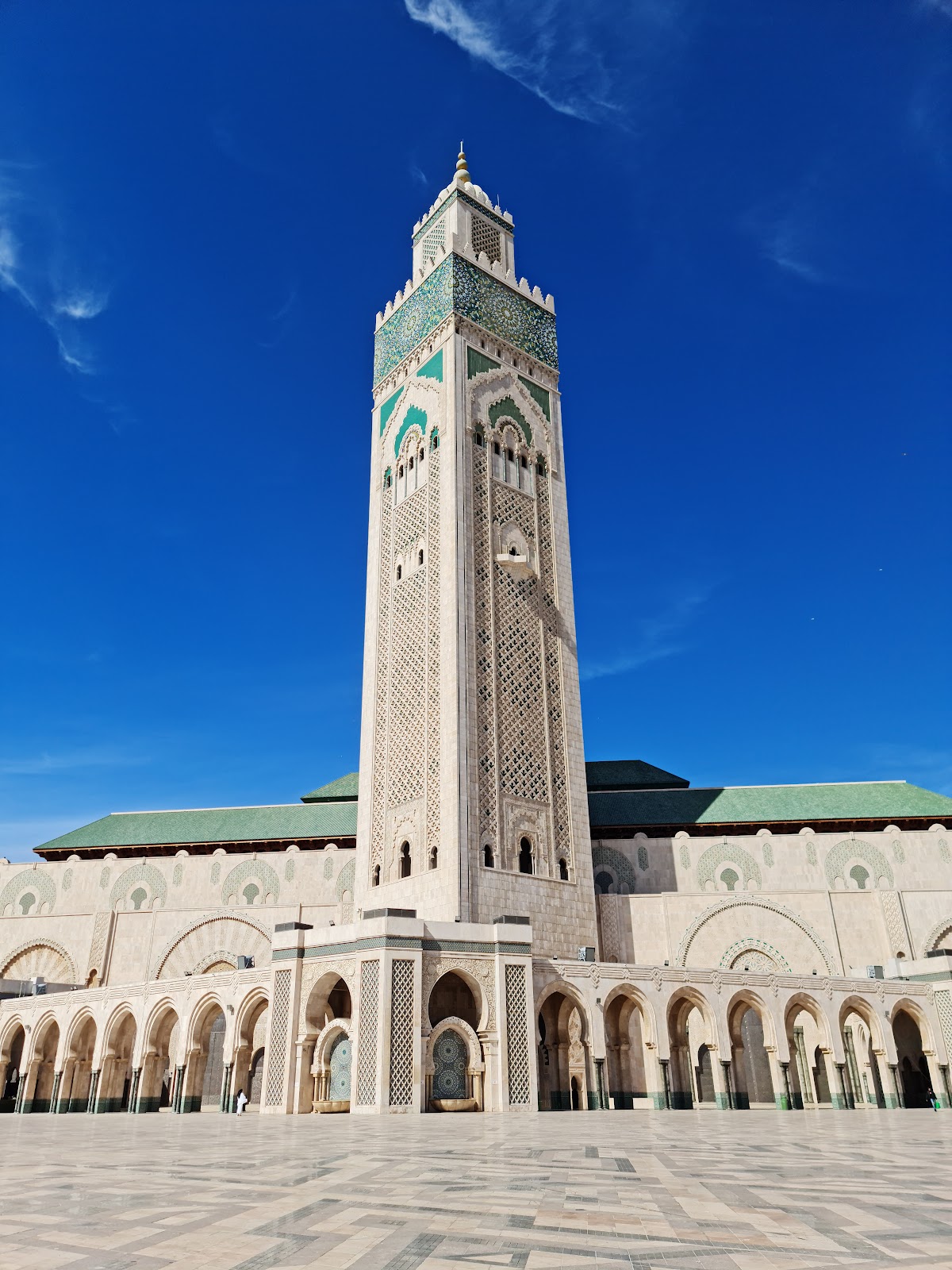
Hassan II Mosque
Boulevard de la Corniche
The largest mosque in Morocco and one of the few open to non-Muslim visitors via guided tours.
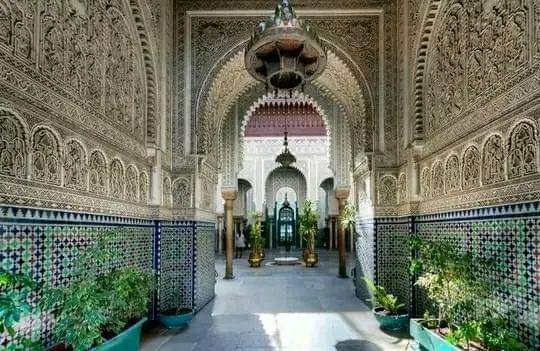
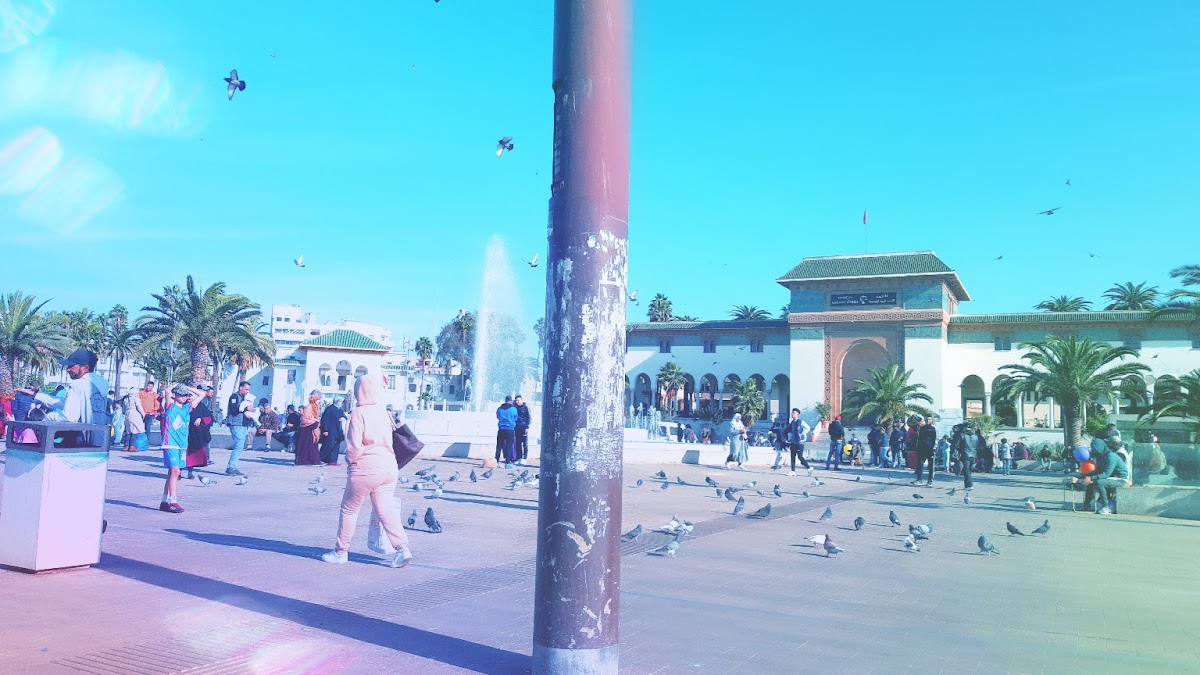
Mahkama du Pacha
Habous quarter
A showcase of Moroccan-Islamic craftsmanship with intricate tilework and carved cedar ceilings.
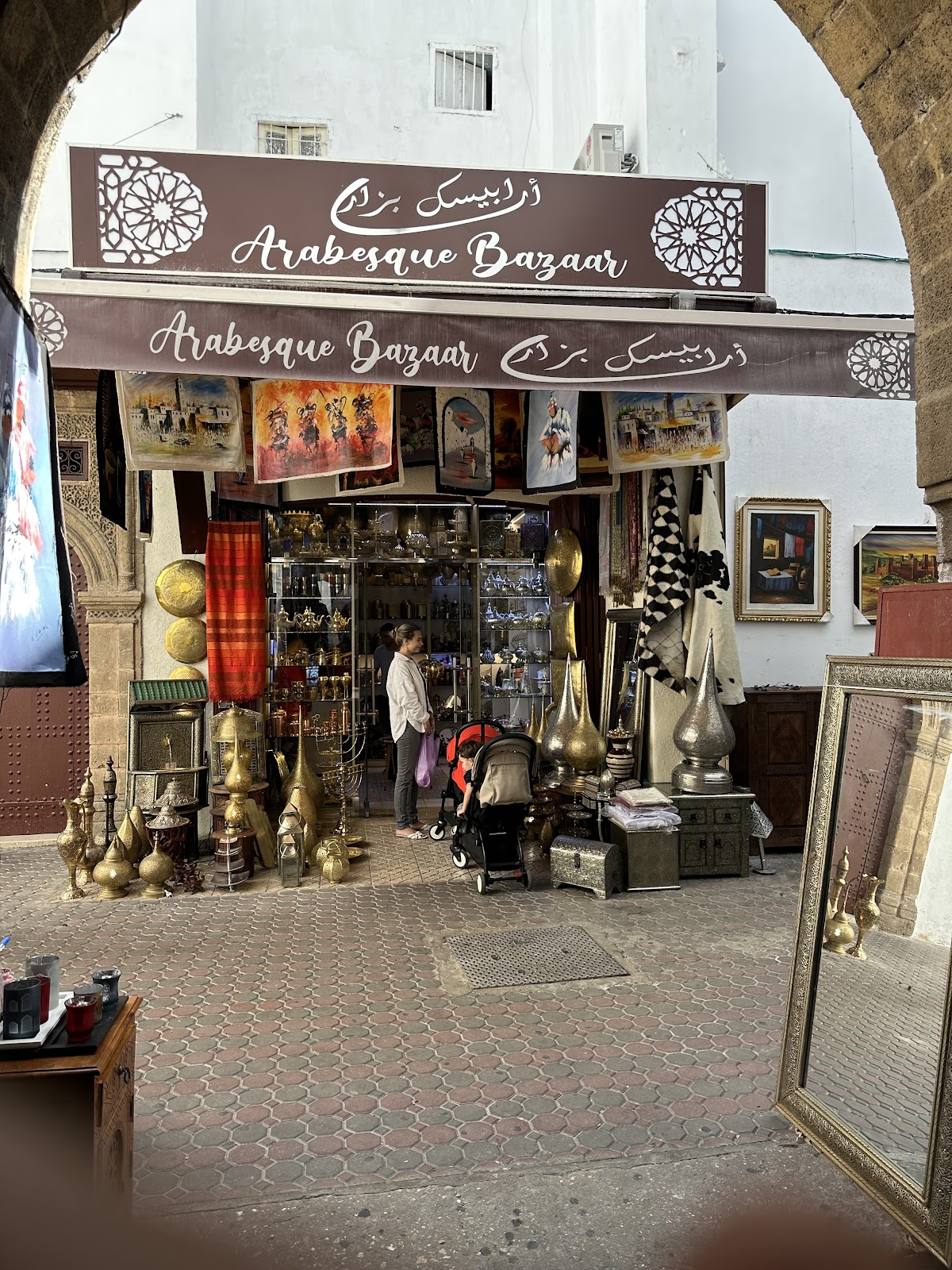
Habous Quarter (New Medina)
South of city centre
Atmospheric quarter mixing traditional Moroccan-Islamic architecture with souks and bookshops.
5 places to eat
Where to eat — top halal spots
Real, well-loved halal restaurants across Casablanca, from cheap local legends to special-occasion dining.
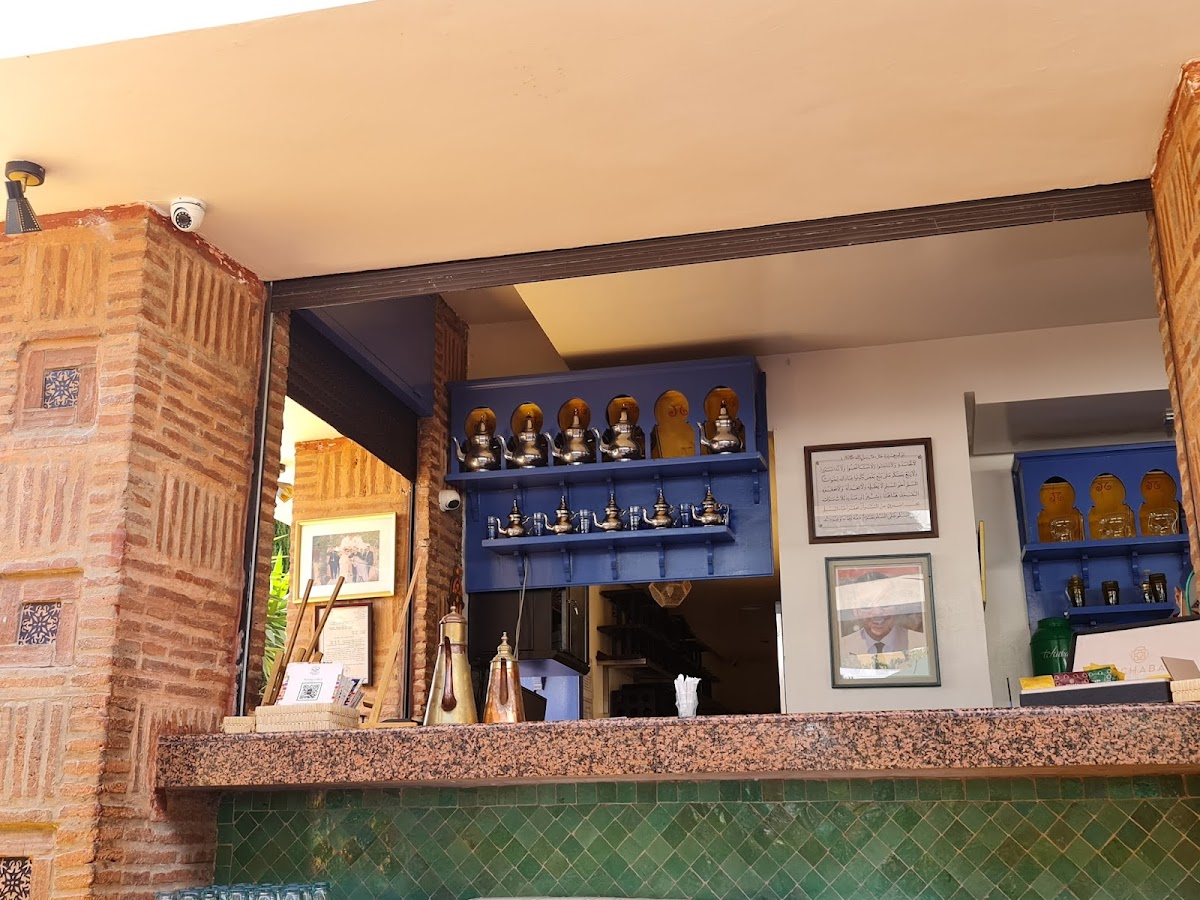
La Sqala
Traditional Moroccan · Old Medina ramparts$$
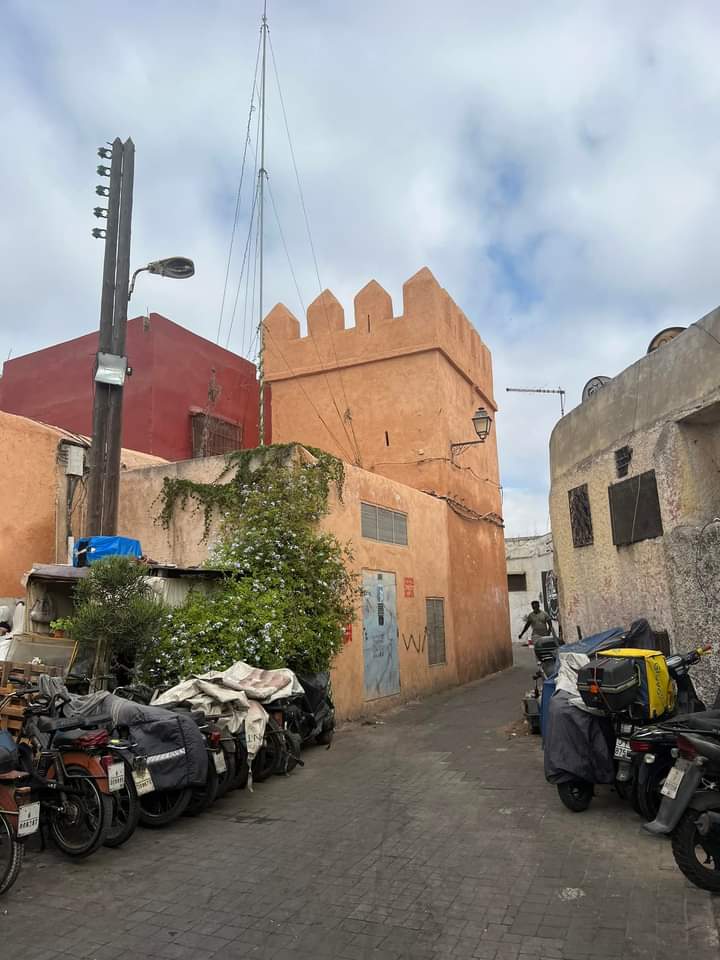
Popular garden restaurant set in an 18th-century fortress serving classic tagines and couscous.
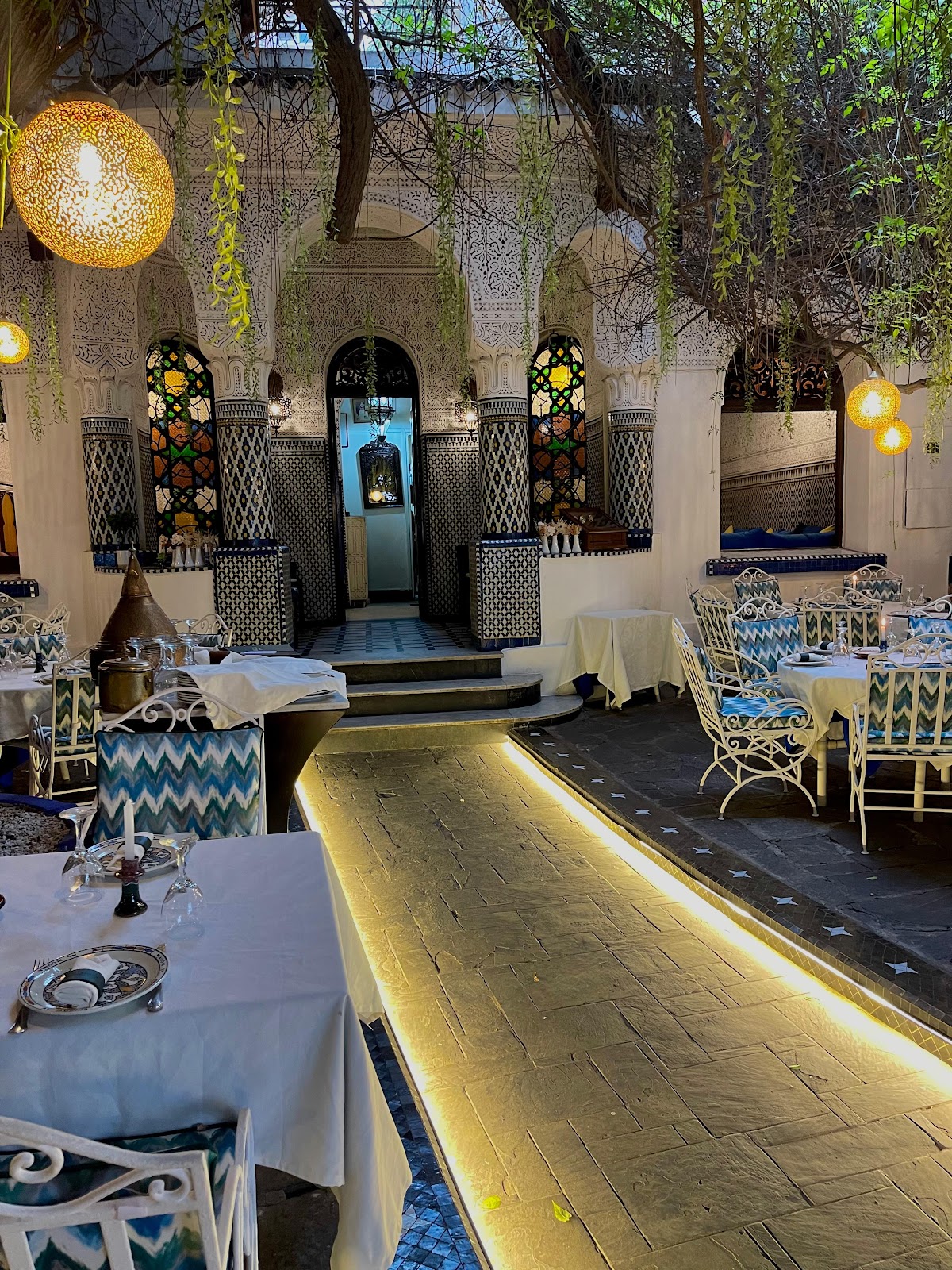
Al Mounia
Traditional Moroccan · City centre$$$
Long-established fine-dining spot known for refined Moroccan cuisine in an elegant setting.
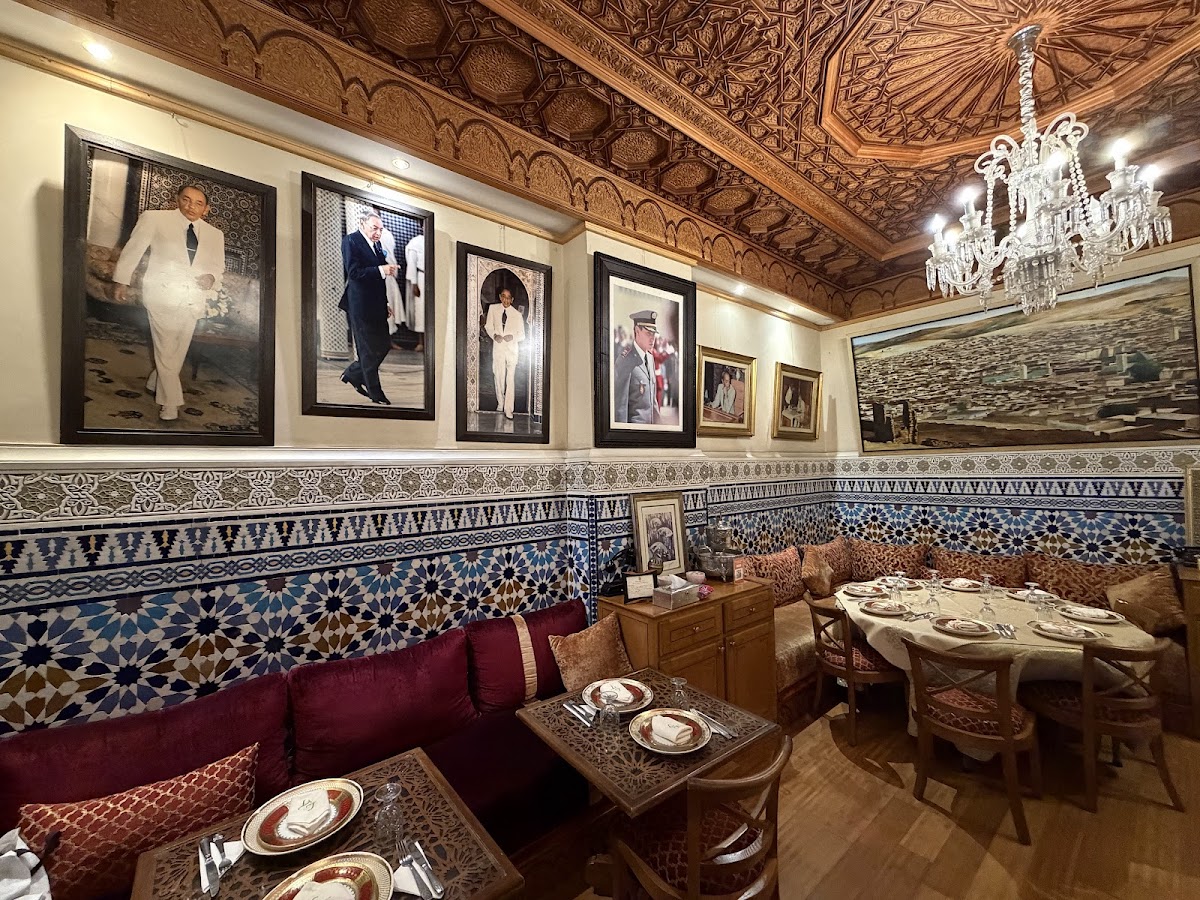
Le Cuisto Traditionnel
Moroccan and African · Casablanca$$
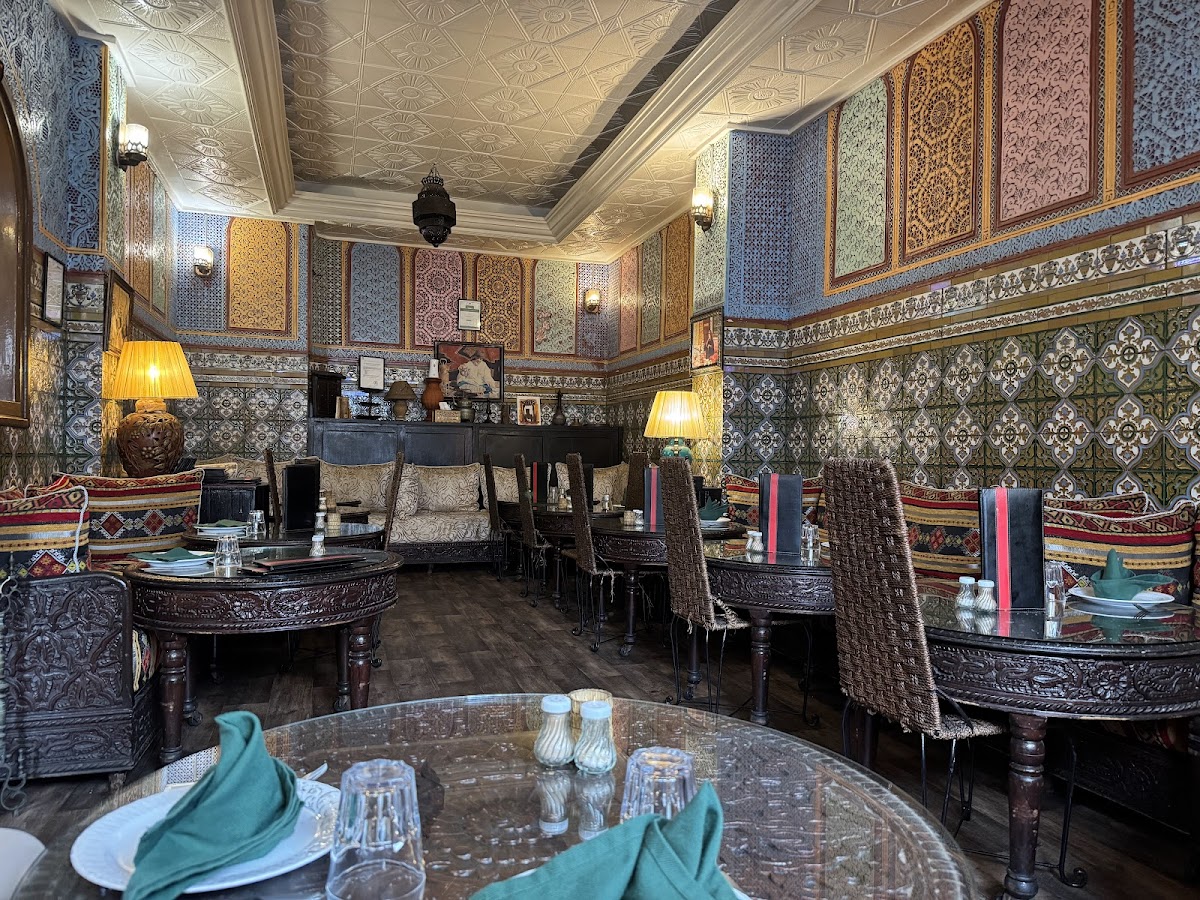
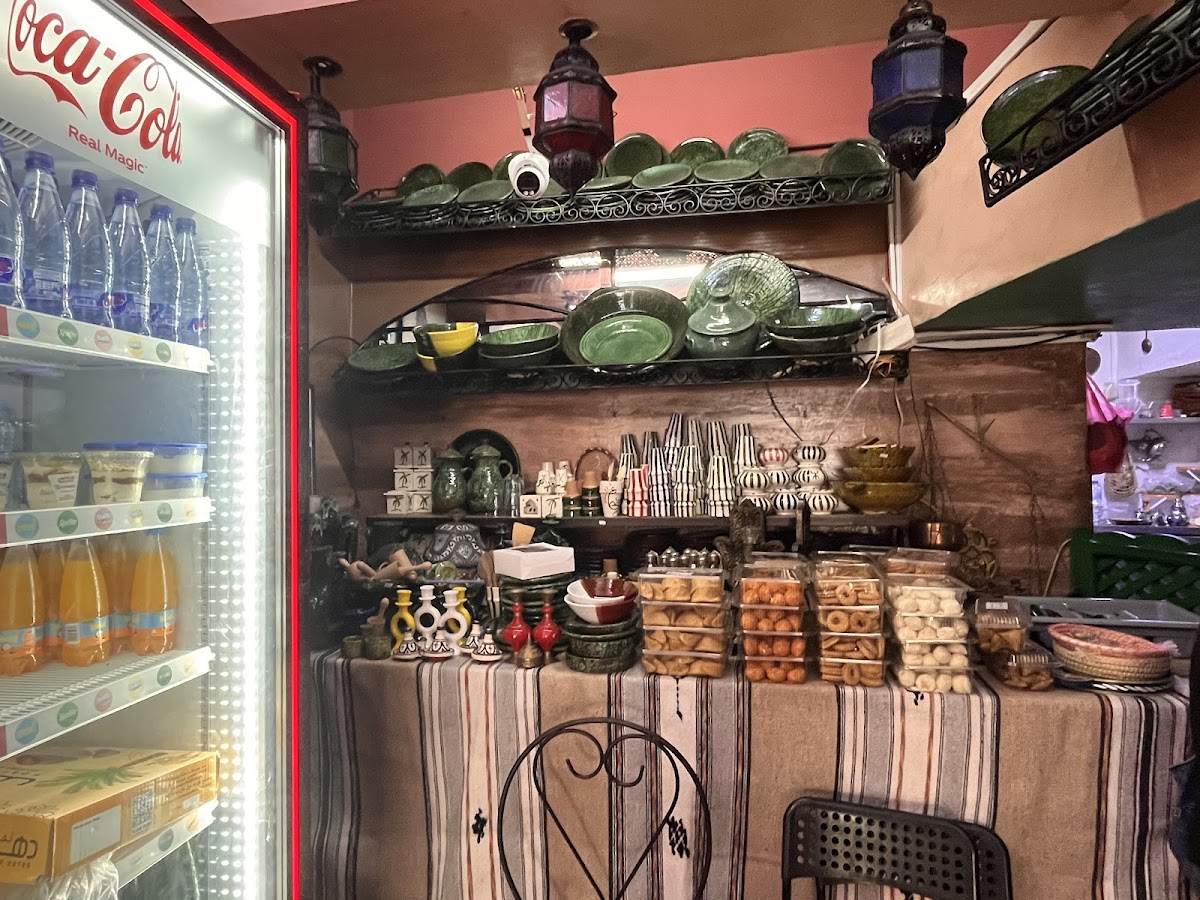
Highly-rated restaurant with traditional decor and authentic Moroccan home-style cooking.
Where to stay
Hotels for every budget
Hand-picked places to stay, near the action.
Luxury
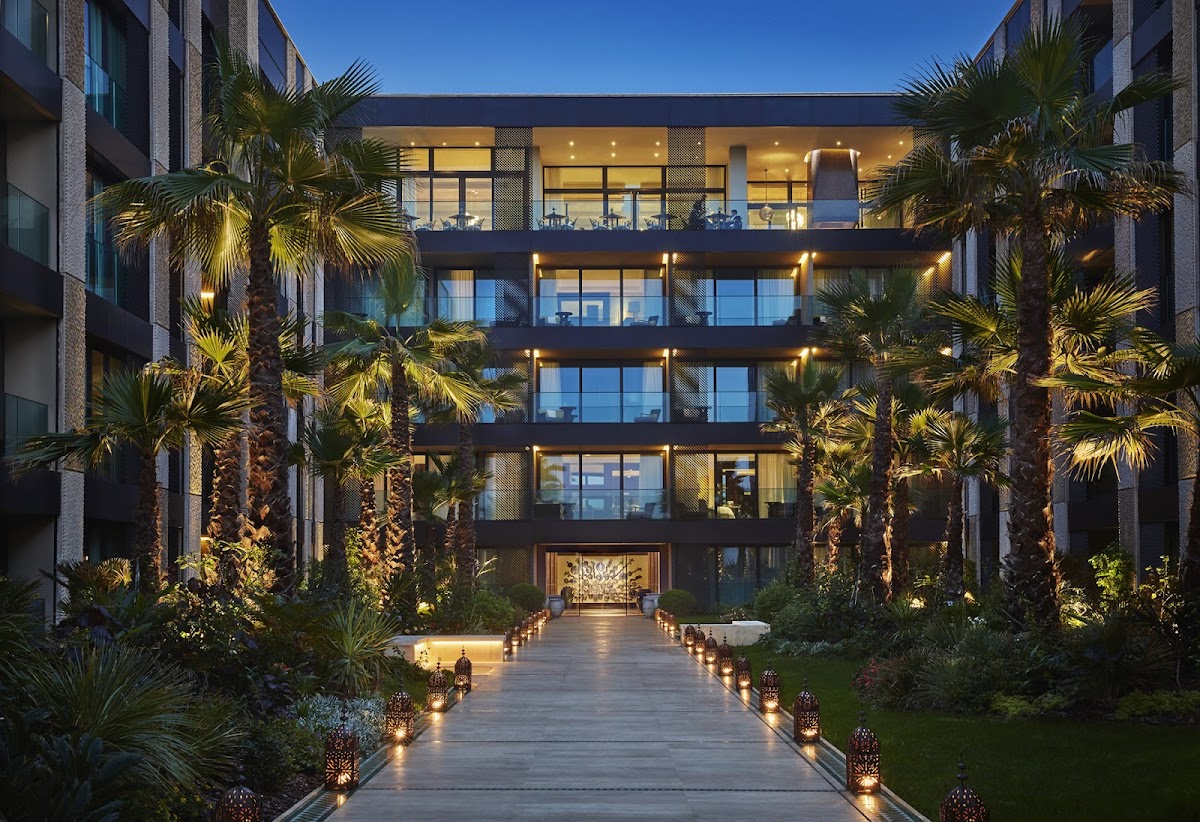
Four Seasons Hotel Casablanca
Anfa seafront
Five-star beachfront hotel with modern Moroccan rooms and oversized outdoor balconies.
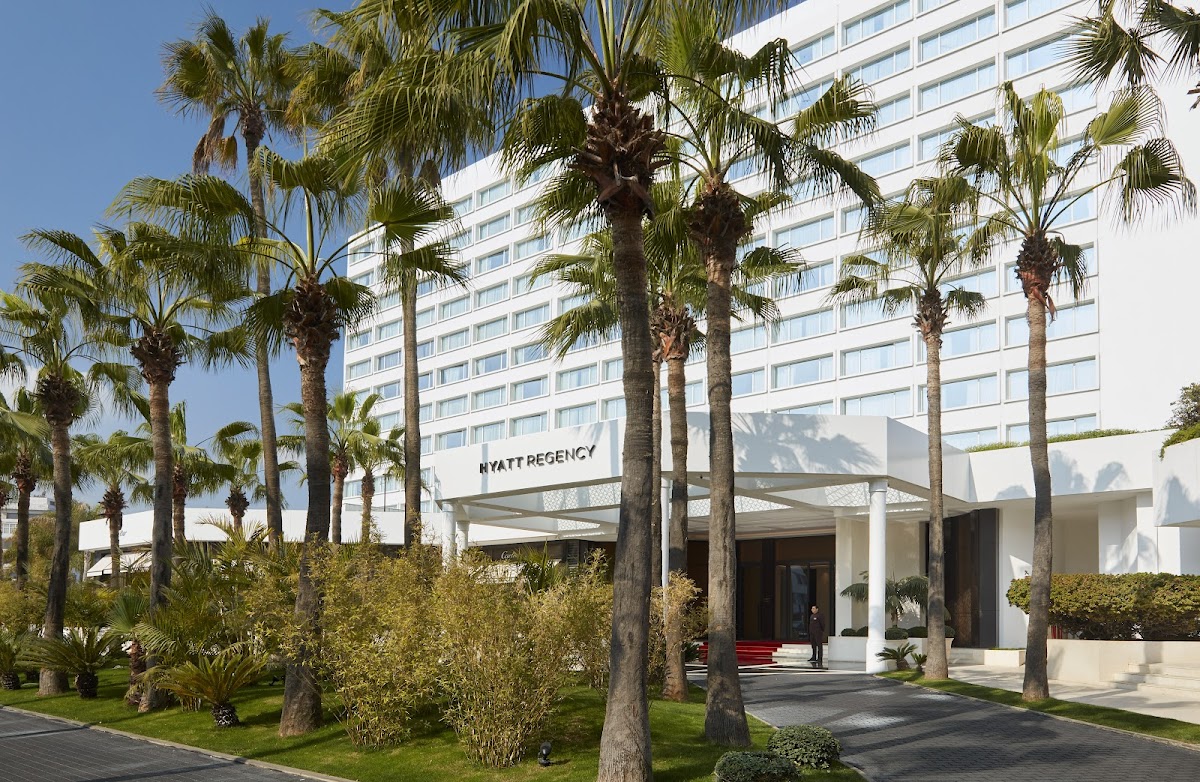
Hyatt Regency Casablanca
City centre
Five-star Art Deco hotel in the historic centre, a short distance from the Hassan II Mosque.
Mid-range
Know before you go
The essentials
Everything a Muslim traveller needs to land in Casablanca with confidence.
Getting in
Mohammed V International Airport (CMN)
• ONCF train — about 45 min to Casa-Voyageurs / Casa-Port
• Airport petit taxi — 30-50 min depending on traffic
Getting around
Central Casablanca is walkable around the old medina, the Habous quarter and the seafront Corniche, but the city is large and spread out. The Casa Tramway is the backbone of public transport — four lines (T1-T4, the newest opened in 2024) crossing the city at a flat, cheap fare every ten minutes or so. For door-to-door trips the small red 'petit taxis' are the everyday workhorse.
Two kinds of taxi: small red 'petit taxis' (metered, in-city, up to three passengers) and larger cream 'grand taxis' (shared or hired for longer and intercity runs). For petit taxis, insist the driver runs the meter ('compteur') or agree the price first — meter-dodging and 'commission' detours to shops are the usual hustle. Ride-hailing apps operate but in a legal grey area, so the metered petit taxi is the dependable default.
Getting here
Travelling from a major halal market?
Most halal-expo buyers and exhibitors fly in from the world's main halal hubs. Here's how to reach Casablanca from each — entry rules vary by nationality, so check the Visa & entry note.
Sources: https://www.aeroportcasablanca.ma/en/ · https://en.wikipedia.org/wiki/Casablanca_Tramway · https://hassan2mosque.com/ · https://en.wikipedia.org/wiki/Visa_policy_of_Morocco
Halal expos in Casablanca
Other halal expo cities
Nearby and frequently-paired destinations, with the same Muslim-traveller guide.