Loading…
Back to Blog
Gulfood 2026 Halal Section: What Halal Suppliers Need to Know
Ahmad KamalMay 16, 20267 min readEvents Shows
Gulfood is the world's largest annual food and hospitality trade show, with 97,000+ visitors from 200+ countries and 5,000+ exhibitors. Its dedicated halal section — HALAL WORLD FOOD — has grown into a significant destination for halal suppliers targeting the GCC and beyond. Here is what every halal supplier needs to know before committing to Gulfood 2026.
Editorial note: Market figures cited in this article are estimates based on publicly available industry reports and may vary by source. HalalExpo.com aims to present the most current data available but readers should verify figures for business decisions. Sources include the State of the Global Islamic Economy Report, DinarStandard, and national halal authority publications.
Gulfood and the Rise of HALAL WORLD FOOD
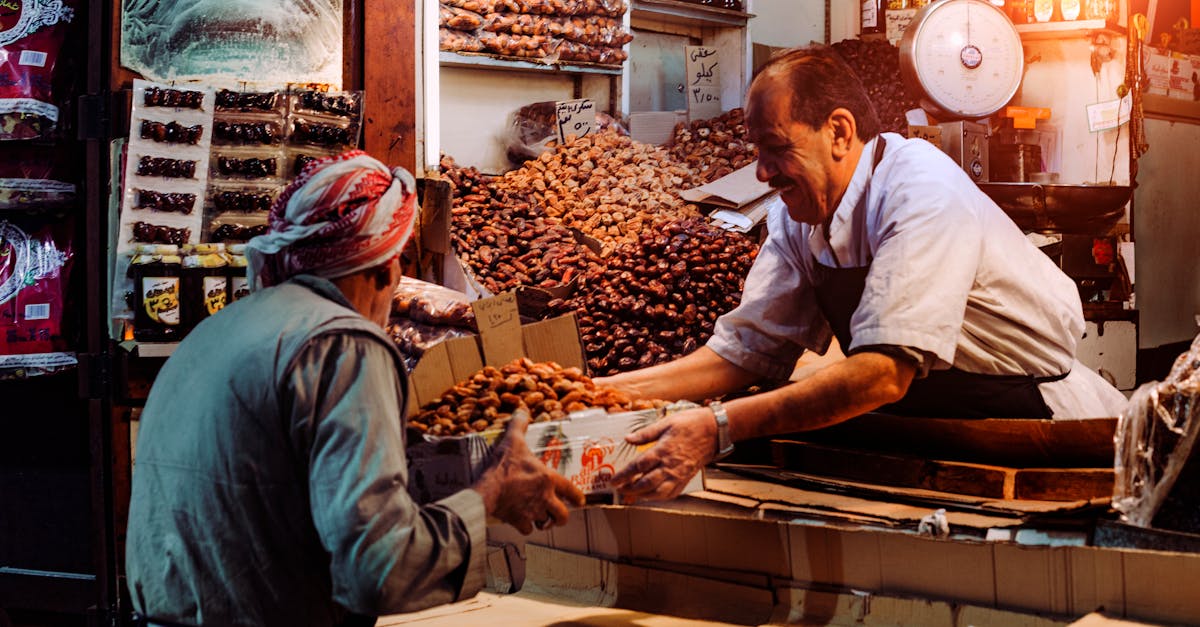
Gulfood is the world's largest annual food and hospitality trade show, held at the Dubai World Trade Centre (DWTC) every February. With 97,000+ visitors from 200+ countries and 5,000+ exhibitors across five days, it dwarfs any dedicated halal expo in raw scale — but its halal section, HALAL WORLD FOOD, has grown into a significant standalone destination for halal suppliers targeting the GCC and beyond.
For halal food and beverage brands, Gulfood presents a genuinely different proposition from dedicated halal expos like MIHAS or the Saudi International Halal Expo. The buyer pool is enormous and diverse — spanning GCC retail chains, foodservice groups, hotel procurement officers, regional distributors, and export buyers from across 200 countries. The trade-off is that halal is one of many product categories competing for buyer attention, meaning your positioning, booth design, and certification display matter even more than at a halal-focused event.
This guide focuses specifically on what halal suppliers need to know about Gulfood 2026 — the HALAL WORLD FOOD section, ESMA certification requirements, how to get listed as a verified halal exhibitor, and the buyer sourcing trends that will shape the show floor.
Gulfood vs. Dedicated Halal Expos: An Honest Comparison
Before committing your exhibition budget to Gulfood, it is worth understanding where it sits relative to dedicated halal expos — and who it is best suited for.
| Factor | Gulfood (Dubai) | Dedicated Halal Expos (MIHAS, SIHE) |
|---|---|---|
| Visitor volume | 97,000+ from 200+ countries | 15,000–40,000, predominantly OIC |
| Halal buyer concentration | Medium — halal is one of many categories | Very High — all buyers are halal-focused |
| GCC retail buyer access | Excellent — Carrefour, Lulu, Spinneys attend | Good at SIHE; more limited at MIHAS |
| Booth cost | USD 11,700–30,000+ (9–36 sqm) | USD 3,000–15,000 (9–36 sqm) |
| Certification verification | Required for HALAL WORLD FOOD pavilion | Required for all exhibitors |
| National pavilion options | Yes — many countries organise group pavilions | Yes — especially at MIHAS |
| Best for | Established halal brands scaling GCC distribution | Market entry, OIC network building, first international expo |
The practical conclusion for most halal suppliers: start with a dedicated halal expo (MIHAS is the strongest value-for-money entry point) to validate your GCC market positioning, then add Gulfood once you have UAE/Saudi distribution relationships to deepen. Many of the most successful halal manufacturers exhibit at both — using dedicated halal expos for relationship building and Gulfood for scale and retail buyer access.
The HALAL WORLD FOOD Section
HALAL WORLD FOOD is Gulfood's dedicated halal pavilion — a separately badged section within the broader exhibition that aggregates certified halal exhibitors across food and beverage categories. It has grown significantly in prominence over the past three editions, reflecting both the growing scale of the global halal food industry and the increasing demand from UAE and GCC retail buyers for verified halal sourcing.
Key features of the HALAL WORLD FOOD section:
- Separate badging and branding: HALAL WORLD FOOD has its own entrance signage, floor graphics, and digital listings on the Gulfood app and website, making it easy for halal-focused buyers to navigate directly to certified exhibitors.
- Certification verification required: To be listed in HALAL WORLD FOOD, exhibitors must submit valid halal certification documentation at the application stage. Gulfood verifies this before allocating space within the pavilion.
- Dedicated buyer programmes: Gulfood's hosted buyer programme specifically recruits GCC retail buyers to the HALAL WORLD FOOD section, meaning buyer traffic here has higher intent than general show-floor walk-up traffic.
- Product categories: Meat and poultry, dairy, packaged foods, confectionery, beverages, ingredients, and emerging categories including halal cosmetics and nutraceuticals.
For halal suppliers, exhibiting within HALAL WORLD FOOD rather than in the general product category halls is strongly recommended. The certification filter means buyers who visit your stand already know you are halal-certified — removing the first qualification hurdle from every conversation.
ESMA Certification: The UAE Halal Requirement
The UAE market operates under its own halal certification framework administered by the Emirates Authority for Standardisation and Metrology (ESMA). Understanding ESMA's requirements is essential for any halal supplier targeting the UAE through Gulfood — and increasingly important for the wider GCC, as ESMA certification is accepted as a GSO 2055 equivalent across all six GCC states.
The UAE.S 2055-1 Standard: ESMA's halal standard — UAE.S 2055-1 — covers requirements for halal food products including slaughtering, processing, packaging, labelling, and storage. It is aligned with but not identical to the OIC/SMIIC OIC/SMIIC 1 standard and the broader GSO 2055 GCC standard.
What ESMA certification covers:
- Meat and poultry products (mandatory ESMA certification for commercial import into UAE)
- Processed food products with animal-derived ingredients
- Food additives and flavourings of animal origin
- Pharmaceuticals and nutraceuticals with animal-derived components
- Cosmetics and personal care products (ESMA certification increasingly expected by UAE retailers)
How foreign certifications are assessed for ESMA equivalency: ESMA maintains a list of recognised halal certification bodies whose certificates are accepted in lieu of direct ESMA certification. The practical implications for major exporting markets:
- Malaysian suppliers (JAKIM): JAKIM is on the ESMA recognised list. Products certified by JAKIM can be imported into the UAE without requiring a separate ESMA certificate, subject to correct labelling.
- Indonesian suppliers (MUI): MUI is similarly recognised by ESMA. Indonesian halal products face no certification barrier to UAE entry.
- Turkish suppliers (GIMDES or TSE): Both GIMDES and TSE are on the ESMA recognised list. Turkish suppliers should specify which body certified their products as recognition varies by product category.
- European suppliers: EU-based halal certification bodies (HMC UK, IFANCA Europe, various national bodies) have varying ESMA recognition status. Check the current ESMA recognised body list before assuming equivalency.
- US suppliers (IFANCA): IFANCA is recognised by ESMA. American-manufactured halal products certified by IFANCA can enter the UAE market.
For any certification body not on the ESMA recognised list, suppliers must apply for direct ESMA certification or product-specific UAE market approval before commercial import. Exhibiting at Gulfood under a non-recognised certificate is permitted, but you will not be able to complete commercial sales until certification equivalency is established. Verify your certifying body's status through our halal certifier directory, which tracks recognition status across major markets.
Who Are the Buyers at Gulfood?
The buyer quality at Gulfood is one of the show's defining advantages — and understanding who attends helps you prioritise your pre-show outreach and on-stand conversations.
GCC retail chains: Carrefour UAE, Lulu Hypermarket, Spinneys, Choithrams, Union Coop, and the Nesto Group all attend Gulfood with active procurement teams. These buyers are sourcing for UAE stores and, in many cases, across their wider GCC retail networks. A listing conversation with a Lulu buyer at Gulfood can translate to placement across UAE, Saudi Arabia, Kuwait, and Bahrain simultaneously.
Regional distributors: The UAE's free trade zone structure makes Dubai a regional distribution hub for the entire Middle East and North Africa. UAE-based distributors at Gulfood are often looking for products they can distribute not just in the UAE but across the MENA region. A UAE distributor appointment can give you access to markets you would never reach independently.
Foodservice and hospitality groups: Dubai's hospitality industry — one of the largest in the world — sources heavily through Gulfood. Hotel groups (Marriott, Hilton, Jumeirah Group, Rotana), restaurant chains, and contract catering operators are active buyers. Foodservice volumes are typically lower per SKU than retail but contracts are often more consistent and longer-term.
GCC government procurement: Government-linked procurement entities from Saudi Arabia, Kuwait, UAE, and Qatar attend Gulfood looking to source for institutional food programmes. These buyers require full documentation compliance — halal certification, country of origin, food safety certifications, and sometimes SASO or SFDA pre-approval.
International buyers using Dubai as a re-export hub: Many buyers from East Africa, South Asia, and Central Asia attend Gulfood specifically because Dubai is the gateway for re-export into their home markets. For halal manufacturers, this can open unexpected distribution channels into markets that are difficult to access directly.
How to Apply as a Halal Exhibitor at Gulfood 2026
Gulfood 2026 is scheduled for 23–27 February 2026 at the Dubai World Trade Centre. Exhibitor registration for Gulfood typically opens in mid-year, approximately 8–10 months before the event — meaning registration for the February 2027 edition will open around May–June 2026. If you are planning for Gulfood 2026, registration is already open or closing shortly; contact DWTC Exhibitions directly for availability.
Application Process
- Submit exhibitor application: Complete the online application at gulfood.com/exhibit, specifying your product categories, target hall or pavilion (select HALAL WORLD FOOD), preferred booth size, and whether you require a shell scheme or space-only booking.
- Documentation submission: Provide your halal certificate, company registration, and product information. HALAL WORLD FOOD applicants undergo certification verification before space allocation.
- Space allocation: DWTC allocates space based on application order and category. HALAL WORLD FOOD space is limited — early application is strongly recommended. Returning exhibitors retain preferential right-of-first-refusal on their previous position.
- Contract and deposit: A deposit of 30–50% of total booth cost is typically required within 30 days of contract signing. The balance falls due 3–4 months before the show.
Booth Costs at Gulfood 2026
Gulfood is a premium trade show and is priced accordingly. Estimated booth costs for 2026 based on published 2025 rates with typical annual increase:
| Package | Size | Estimated Cost (USD) |
|---|---|---|
| Shell Scheme In-Line | 9 sqm (3m x 3m) | USD 11,700 – 12,500 |
| Shell Scheme In-Line | 12 sqm (4m x 3m) | USD 14,000 – 15,500 |
| Shell Scheme Corner | 9 sqm corner | USD 12,400 – 13,500 |
| Space Only (custom stand) | 24 sqm minimum | USD 21,600 – 26,400+ |
| Large Custom Pavilion | 50 sqm+ | USD 45,000 – 100,000+ |
All prices are estimates. Official 2026 rates are confirmed by DWTC when registration opens. Prices are for booth space only and exclude stand fit-out, freight, accommodation, and staffing costs.
National pavilion option: Many countries organise group pavilions at Gulfood through government-linked trade promotion agencies. Malaysia (MATRADE), Indonesia (ITPC), Turkey (TIM/DEIK), Pakistan, and numerous other OIC-member states run national pavilions that offer per-exhibitor slots at substantially lower cost than individual booking — often USD 3,000–7,000 for a shared pavilion position. Check with your country's export promotion body before booking directly. National pavilions also carry the advantage of government marketing support and recognition by UAE buyers.
Maximising Leads at Gulfood
Gulfood generates enormous exhibitor volume — which means buyers are selective about where they spend their time. The brands that leave Gulfood with full pipelines treat the show as a concentrated sales campaign, not a passive presence exercise.
Pre-arranged buyer meetings: Gulfood's official matchmaking portal (part of the exhibitor portal) allows you to request meetings with registered hosted buyers and other exhibitors. Set a target of 15–20 pre-scheduled meetings before you arrive. Empty show hours at these per-square-metre rates are expensive. Use LinkedIn, Gulfood's hosted buyer list (published pre-show), and our halal business directory to identify and approach relevant buyers 4–6 weeks before the event.
Product sample strategy: In food and beverage categories, on-stand sampling is one of the highest-conversion activities at Gulfood. Prepare single-serve or tasting-size samples rather than full retail packaging. Ensure samples are properly documented for UAE customs — product specifications, halal certificates, and country of origin documentation should accompany all freight shipments containing food samples.
Gulfood matchmaking portal: The official Gulfood app and matchmaking portal includes a buyer-exhibitor meeting scheduler, product category browsing, and a hosted buyer programme that brings in senior procurement executives specifically looking to source. Register your product range in the portal in detail — buyers increasingly use it to shortlist stands before the event opens.
Post-show follow-up timing: The post-show follow-up window at Gulfood is narrow and competitive. Every other exhibitor is emailing the same buyers in the days after the show closes. Best practice is to send personalised follow-up emails within 24–48 hours of each meeting — while the conversation is still fresh for the buyer. Reference specifics from your discussion. Send your full commercial documentation (catalogue, pricing, MOQ structure, delivery terms) as a second touchpoint 5–7 days later once the buyer has had time to process the show experience.
Frequently Asked Questions
Do I need ESMA certification to exhibit in the Gulfood halal section?
You do not need ESMA certification specifically to exhibit at Gulfood — any valid halal certificate from a recognised certification body qualifies you for the HALAL WORLD FOOD section. However, if you want to complete commercial sales in the UAE market following the show, your certification body must be on the ESMA recognised list or you will need to pursue direct UAE market approval. Check the certifier directory for current ESMA recognition status by certifying body.
When is Gulfood 2026?
Gulfood 2026 is scheduled for 23–27 February 2026 at the Dubai World Trade Centre, Dubai, UAE. The show runs for five days across five exhibition halls plus outdoor pavilions. See the Gulfood 2026 event listing for confirmed dates, exhibitor details, and booth packages as published.
Is Gulfood worth attending for a first-time halal exporter?
For most first-time halal exporters, Gulfood is not the optimal first trade show investment. The cost — a realistic all-in budget of USD 30,000–45,000 including booth, fit-out, freight, accommodation, and staffing — is significant, and the competitive environment means that without established brand recognition or UAE market presence, buyer conversion rates are lower than at more focused halal events. A more cost-effective entry sequence for most first-time exporters is: MIHAS in Kuala Lumpur (lower cost, highest halal buyer concentration) → SIAL Middle East in Abu Dhabi (UAE market access at lower cost than Gulfood) → Gulfood once UAE/GCC distribution is in place. That said, if your product is in a high-demand GCC category (meat and poultry, dairy, packaged food) and you have the budget, Gulfood's buyer quality can justify the cost even on the first appearance.
How does the HALAL WORLD FOOD section differ from the rest of Gulfood?
HALAL WORLD FOOD is a dedicated, separately-badged section within the broader Gulfood exhibition that aggregates verified halal exhibitors. It differs from the general product halls in three key ways: (1) all exhibitors have undergone halal certification verification, removing the first qualification question from buyer conversations; (2) it attracts a concentrated subset of buyers who are specifically sourcing certified halal products; and (3) it receives dedicated promotion in Gulfood's pre-show marketing to halal-focused buyer segments. For halal suppliers, exhibiting within HALAL WORLD FOOD rather than in the general category halls is the stronger option — even if your product category's general hall has higher raw traffic. The buyer intent within HALAL WORLD FOOD is more directly aligned with what you are selling. Explore all upcoming halal trade shows in the global halal expo calendar and browse UAE halal market data for more on the GCC landscape.
For Halal Businesses
Is your business listed on HalalExpo?
Join 5,198 halal companies. Claim your free listing and connect with buyers worldwide.
More from Events Shows
Events Shows
Networking Strategies That Actually Work at Halal Industry Events
Practical networking advice for halal industry professionals attending trade shows, expos, and conferences. Learn how to prepare, connect, and follow up effectively.
H
HalalExpo Editorial TeamEvents Shows
Attending a Halal Trade Show as a Visitor: How to Maximise Value
A practical guide for visitors attending halal trade shows for the first time. Covers pre-show research, navigating the floor, evaluating exhibitors, and building lasting business relationships.
A
Aisha RahmanEvents Shows
Halal Expo Exhibitor Tips: How to Stand Out and Win More Buyers
Practical advice for companies preparing to exhibit at halal trade shows — from booth setup and certification display to lead qualification and post-show follow-up. Covers what experienced exhibitors do differently.
A
Ahmad KamalEvents Shows
Virtual Halal Exhibitions: Are Online Trade Shows Worth It?
An honest assessment of virtual halal trade shows and online exhibition platforms. Covers what works, what does not, and how to decide between virtual and physical attendance.
F
Fatima ZahraEvents Shows
How to Exhibit at Halal Trade Shows: A Complete Guide for First-Time Exhibitors
Everything first-time exhibitors need to know about participating in halal trade shows. Covers booth planning, budget allocation, lead capture strategies, and post-event follow-up for maximum ROI.
H
HalalExpo Editorial TeamRelated Resources
Pillar Guides
More in This Category
- MIFB Malaysia 2026: The Complete Halal Buyer's Playbook (July 2026)
- Global Halal Summit (GHaS) Kuala Lumpur 2026: The Buyer's Playbook (September 2026)
- Philippines Halal Expo 2026: The Complete Buyer's Playbook (November 2026)
- Saudi International Halal Expo 2026: The Complete Buyer's Playbook (October 2026)