Loading…
Muslim business traveller's guide
Johannesburg, South Africa

Muslim Traveller Guide
Halal Johannesburg
Johannesburg — 'Joburg' or 'Jozi' — is South Africa's largest city and economic engine, a high-altitude business hub on the Highveld and the country's main centre for halal trade. Halal expos and summits are held at the big Nasrec / Johannesburg Expo Centre in the south and at the upscale Sandton Convention Centre in the north. South Africa has a long-established Muslim community of Indian and Cape Malay heritage, so halal food is widely available and very well certified — by national bodies like SANHA and NIHT — and there are halal-dense neighbourhoods such as Fordsburg, Mayfair, Houghton and Lenasia. The largest mosque in the Southern Hemisphere, the Ottoman-style Nizamiye, sits just north in Midrand. Two practical things to plan for: Joburg is car-dependent, so you move by Gautrain, Uber or Bolt rather than on foot, and crime is genuinely high — easy to manage with sensible habits, but not to be ignored.
ZARSouth Africa Standard Time (SAST), UTC+2 — there is no daylight saving, so the time is the same year-round.
5 halal places to visit
Mosques & sights in Johannesburg
The mosques and Islamic-heritage landmarks worth your time around the expo.
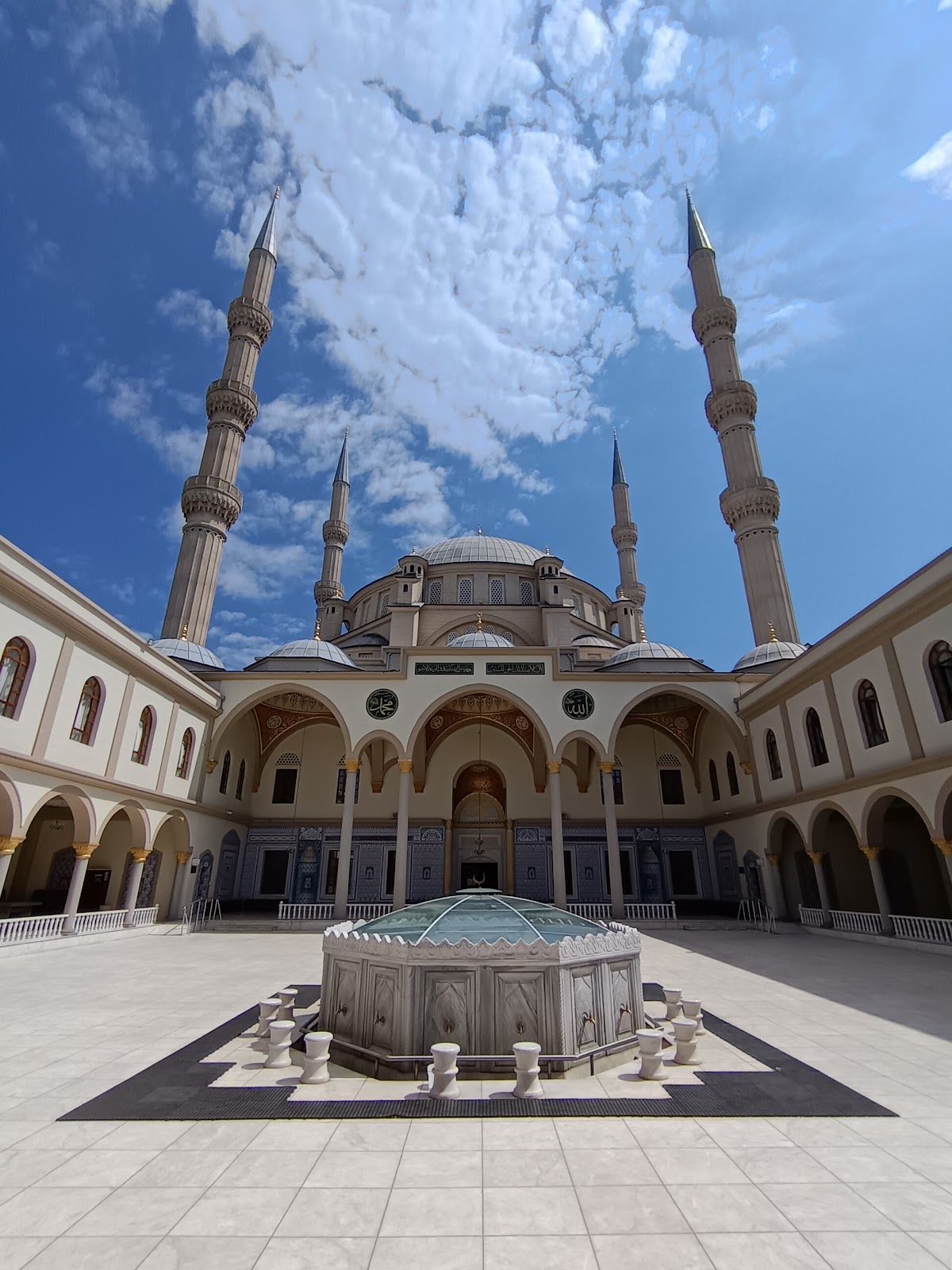
Nizamiye Mosque Complex
Midrand
Often called the largest mosque in the Southern Hemisphere, modelled on Turkey's Selimiye Mosque, with halal shops and eateries on site.
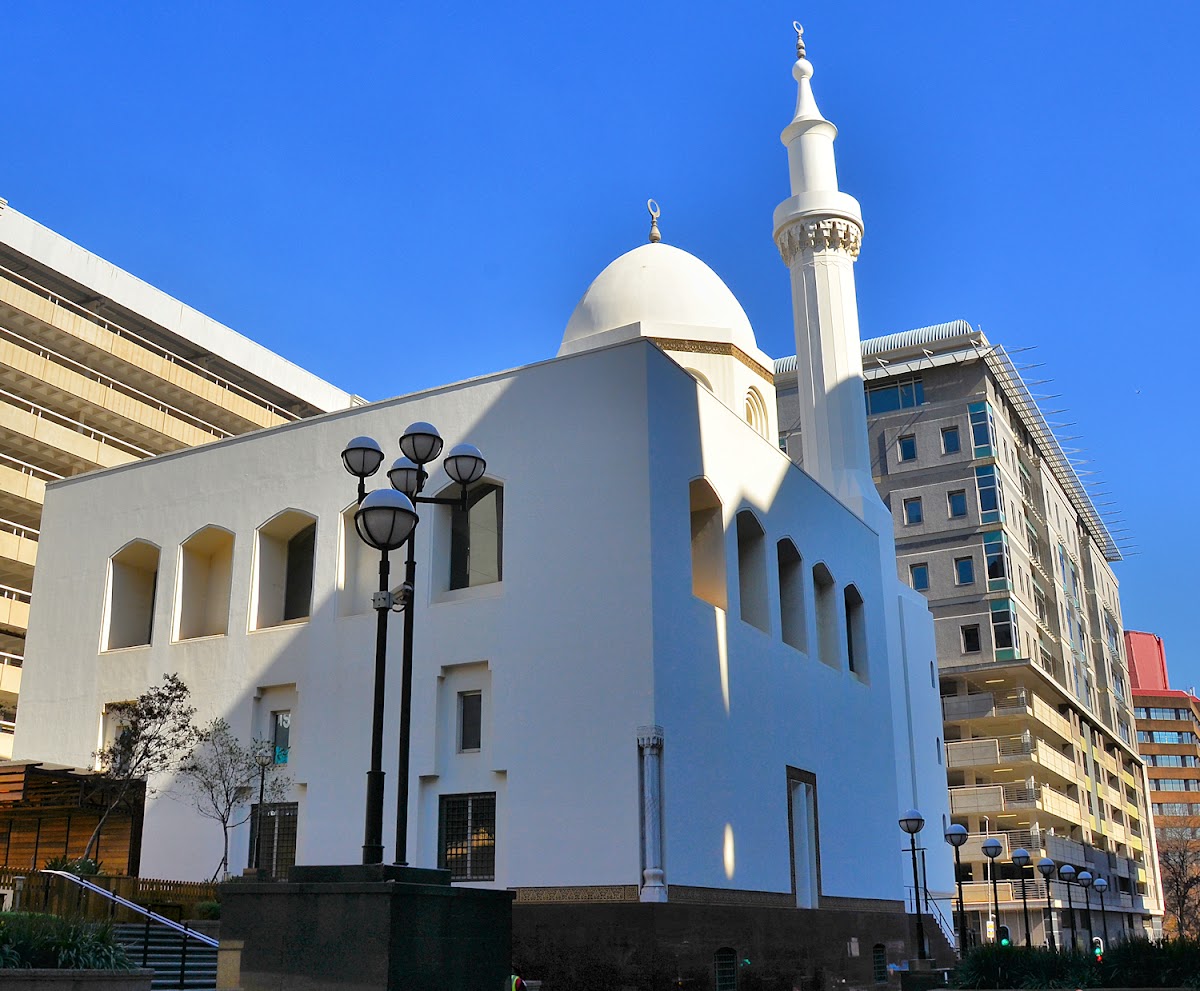
Kerk Street Mosque (Juma Masjid)
Johannesburg CBD
Johannesburg's oldest mosque, in continuous use on the same city-centre site since the 1890s.
Hamidia Mosque
Newtown
5 places to eat
Where to eat — top halal spots
Real, well-loved halal restaurants across Johannesburg, from cheap local legends to special-occasion dining.
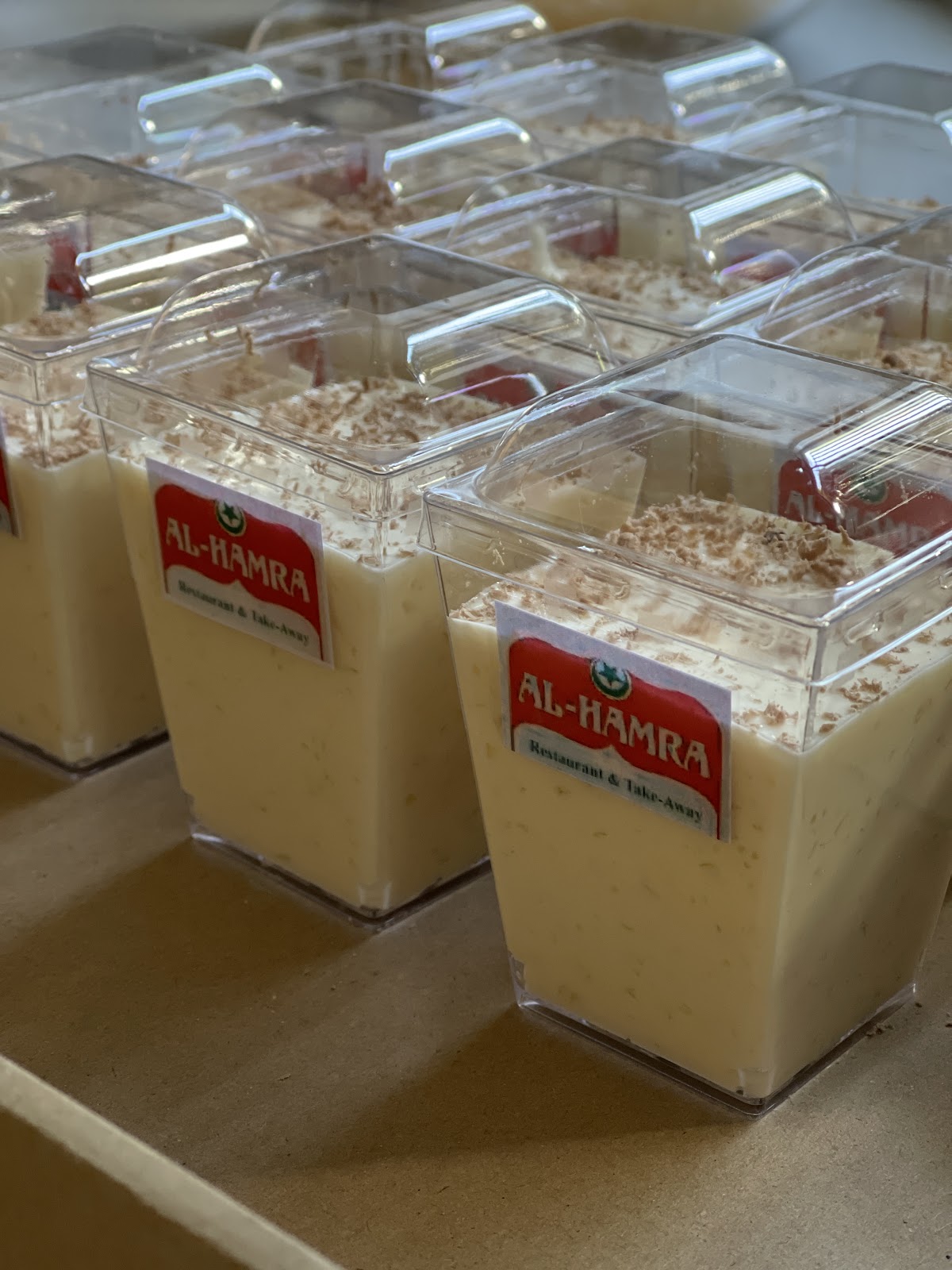
Al-Hamra Restaurant
Indian & Pakistani · Fordsburg$$
A well-known halal Indian and Pakistani restaurant with a long-running Fordsburg branch.
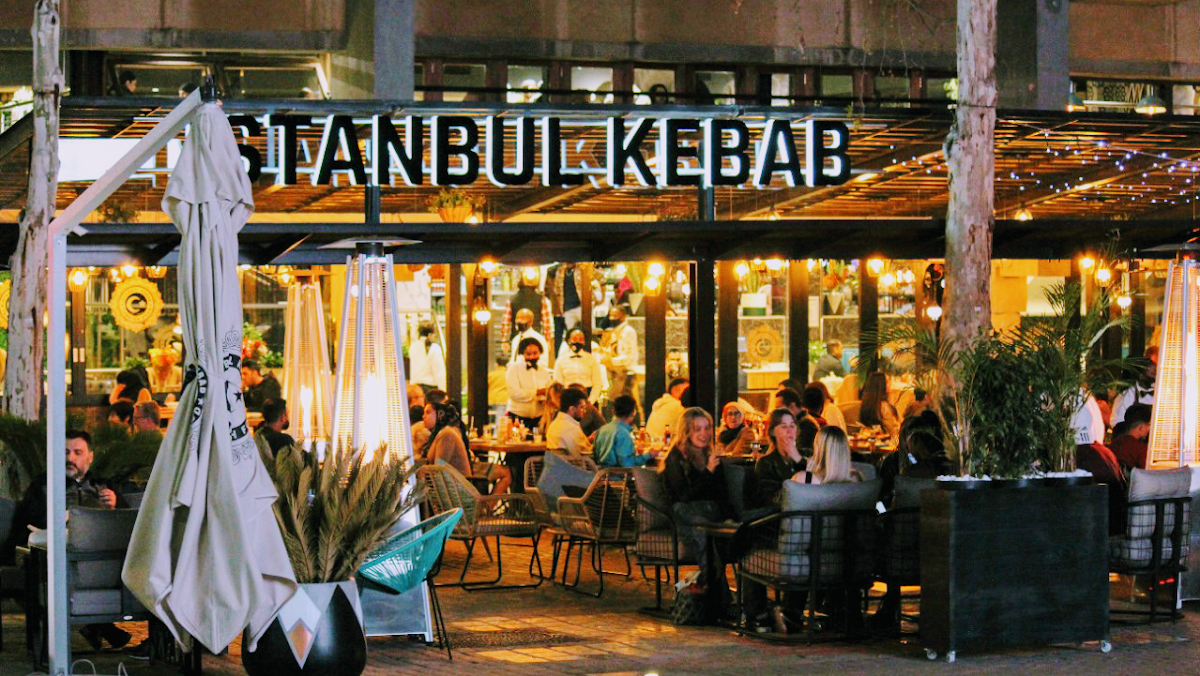
Istanbul Kebab
Turkish · Fordsburg$$
Family-run halal Turkish restaurant attached to its own butchery and grocery on Central Road.
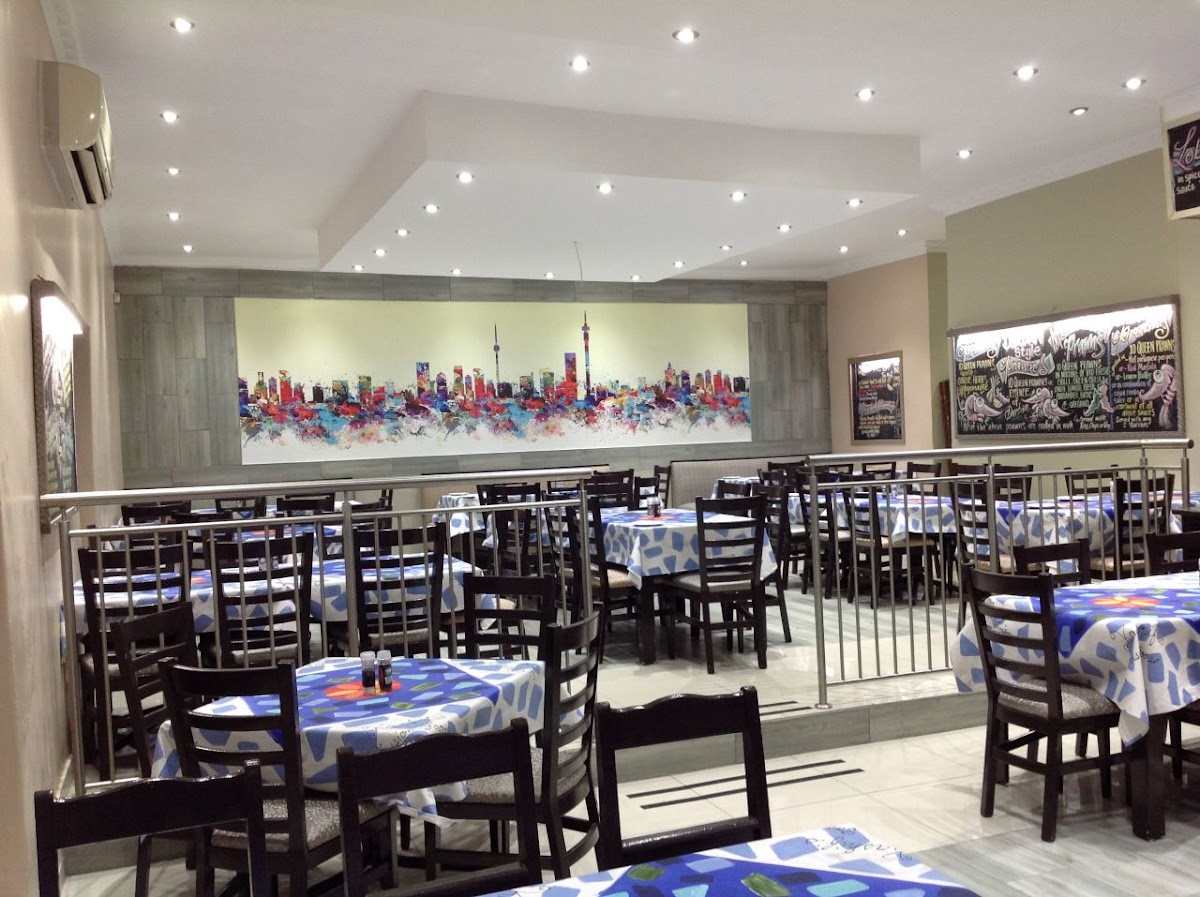
Kashif's Fusion Food & Deli
Indian fusion · Fordsburg$$
A longstanding local favourite for halal fusion plates in Fordsburg.
Where to stay
Hotels for every budget
Hand-picked places to stay, near the action.
Luxury
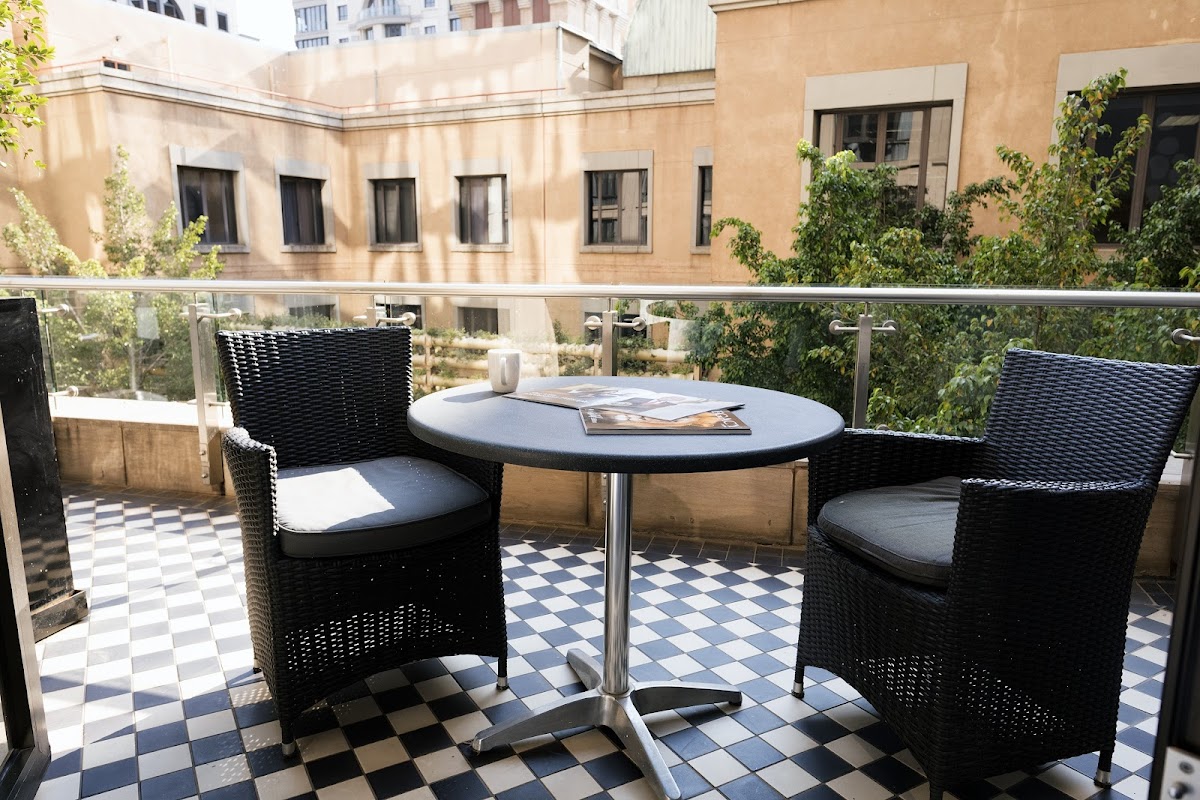
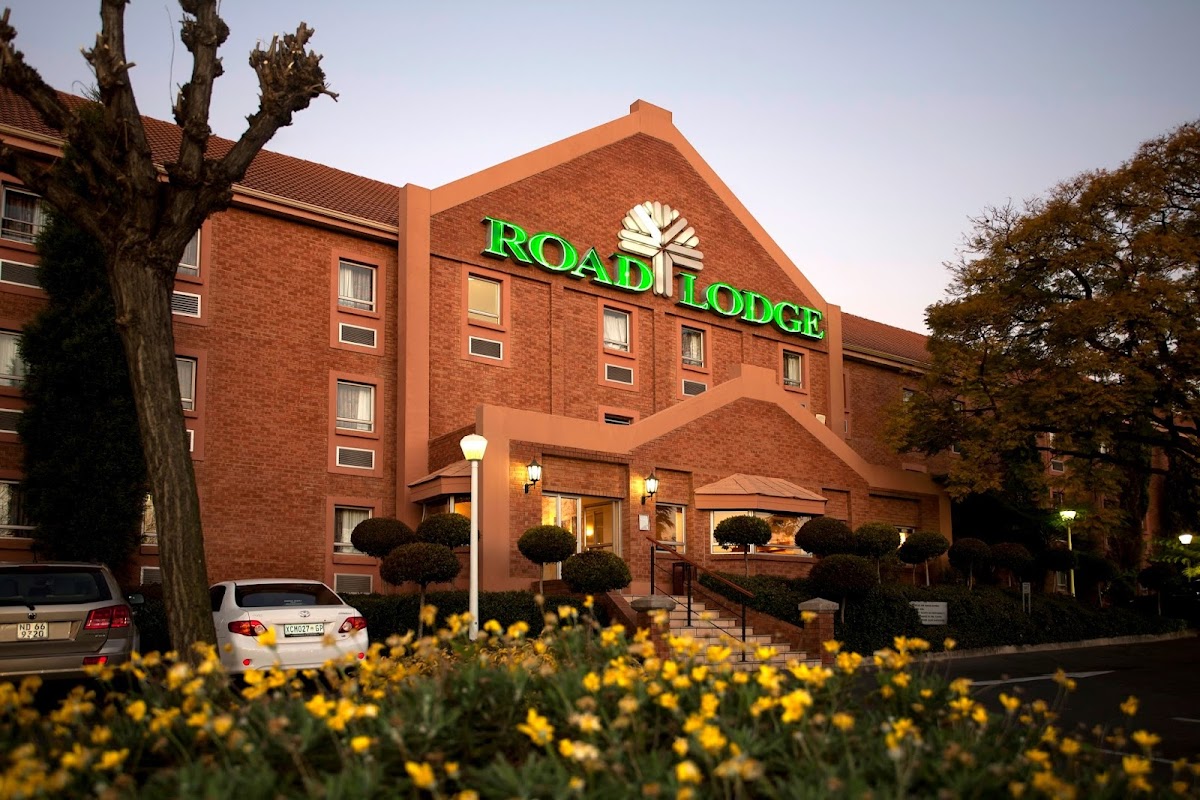
The Davinci Hotel and Suites
Sandton
Five-star hotel on Nelson Mandela Square with a full-service spa.
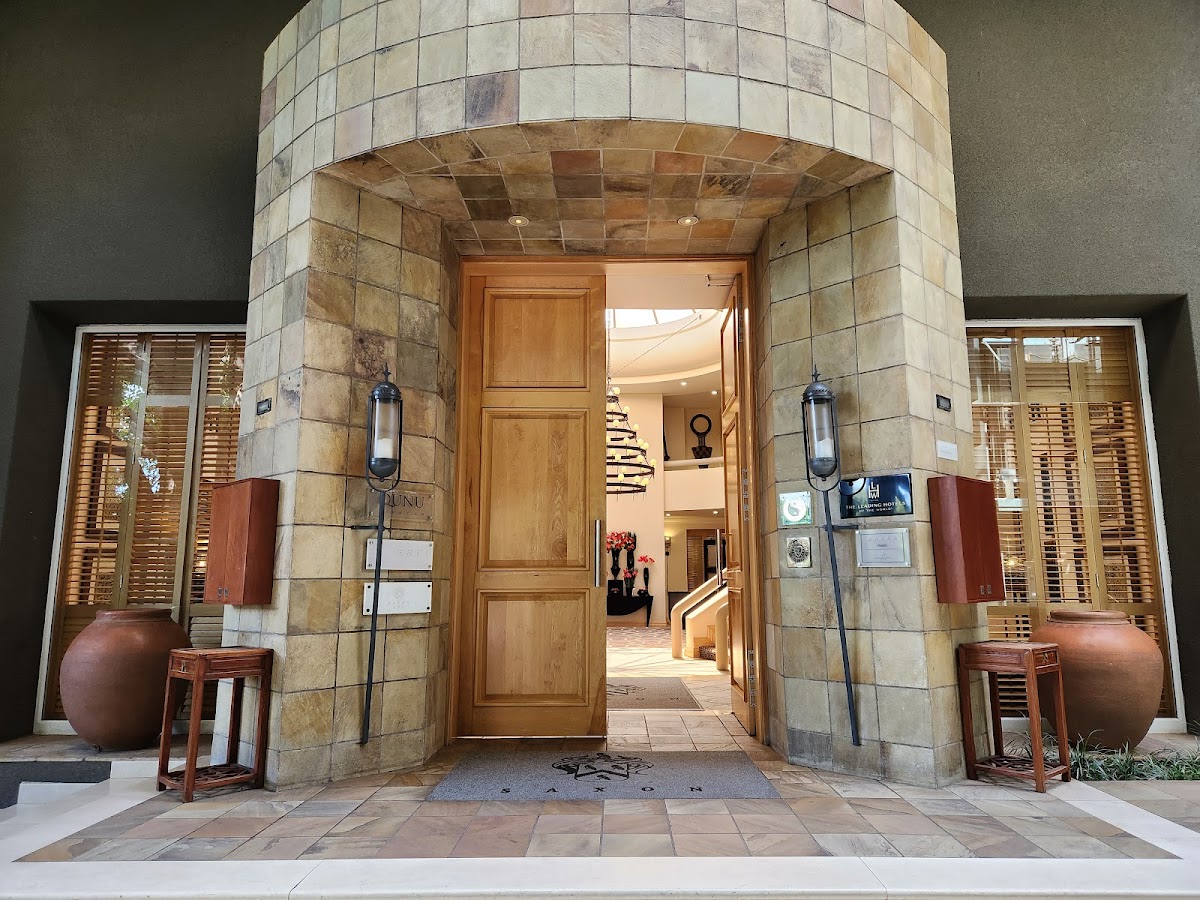
The Saxon Hotel, Villas and Spa
Sandhurst
Exclusive boutique luxury hotel set in landscaped gardens.
Mid-range
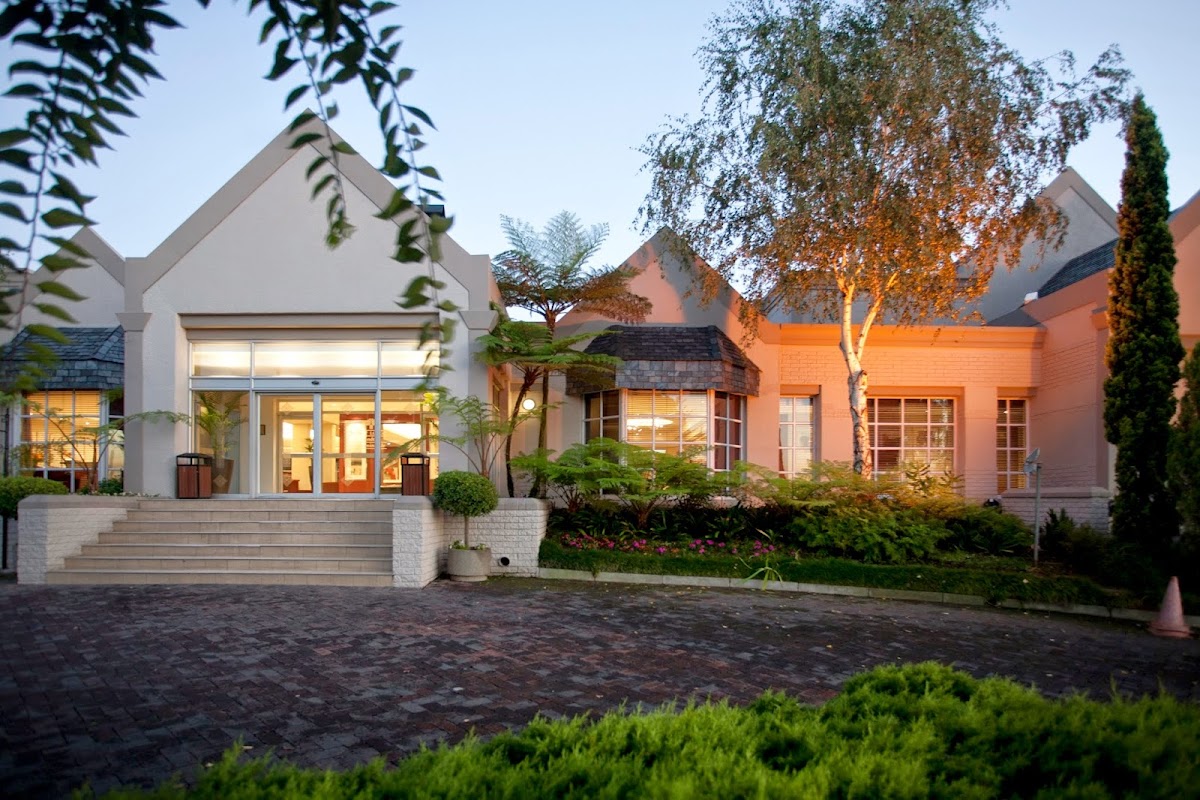
Know before you go
The essentials
Everything a Muslim traveller needs to land in Johannesburg with confidence.
Getting in
O. R. Tambo International Airport (JNB)
• Gautrain — about 15 min to Sandton
• Uber / Bolt — 30-50 min to the northern suburbs
Lanseria International Airport (HLA)
• Uber / Bolt / private transfer — 30-45 min to Sandton
Getting around
Johannesburg is spread out and built around the car, with low walkability, so visitors get around in three ways: the Gautrain rapid-rail spine (O. R. Tambo airport ↔ Sandton ↔ Rosebank ↔ Park Station / Joburg CBD, plus a line to Pretoria), and Uber or Bolt for everything off that line. The business districts, hotels and conference venues cluster in the safer northern nodes — Sandton, Rosebank and Melrose Arch — which the Gautrain serves directly.
Use Uber or Bolt rather than flagging anything on the street: verify the car's plate, request pickups from inside hotels, malls and the terminal, and avoid travelling alone late at night. The informal minibus 'taxis' are a core part of local life but run confusing routes, are often unroadworthy, and are not suited to visitors.
Getting here
Travelling from a major halal market?
Most halal-expo buyers and exhibitors fly in from the world's main halal hubs. Here's how to reach Johannesburg from each — entry rules vary by nationality, so check the Visa & entry note.
Sources: https://eta.dha.gov.za/ · https://www.gautrain.co.za/ · https://en.wikipedia.org/wiki/Nizamiye_Mosque · https://en.wikipedia.org/wiki/SANS_164
Other halal expo cities
Nearby and frequently-paired destinations, with the same Muslim-traveller guide.