Loading…
Back to Blog
Is Gelatin Halal? The Complete Guide to Gelatin Sources, Rulings, and Alternatives
Dr. Aishah MalikMarch 16, 202612 min readCertification Standards
Gelatin from pork is haram. Gelatin from halal-slaughtered cattle or fish is halal. Plant-based gelling agents (agar, pectin, carrageenan) are halal by default. This guide covers every product category where gelatin appears, how to read labels, what major certifiers say, and the istihalah debate.
Editorial note: Market figures cited in this article are estimates based on publicly available industry reports and may vary by source. HalalExpo.com aims to present the most current data available but readers should verify figures for business decisions. Sources include the State of the Global Islamic Economy Report, DinarStandard, and national halal authority publications.
It depends on the source. Gelatin derived from pork (porcine gelatin) is haram. Gelatin derived from properly slaughtered cattle or other halal-slaughtered animals is halal, provided the slaughter complied with Islamic requirements. Fish gelatin is halal. Plant-based alternatives (agar, carrageenan, pectin) are halal by default. The challenge is that most gelatin used in global food manufacturing is porcine — making "Is the gelatin in this product halal?" one of the most common and consequential questions in halal food compliance.
What Is Gelatin?
Gelatin is a protein obtained by partial hydrolysis of collagen — the structural protein found in animal connective tissue, skin, and bones. The manufacturing process involves boiling animal hides, bones, and connective tissue in water, then filtering, concentrating, and drying the resulting protein solution into sheets or powder.
Gelatin's functional properties make it irreplaceable in many applications:
- Gelling agent — it forms thermoreversible gels (gels on cooling, melts on heating), giving gummy sweets, jellies, and panna cotta their characteristic texture
- Stabiliser — it prevents ice crystal formation in ice cream and stabilises marshmallow foam
- Encapsulant — it forms the shell of most pharmaceutical hard and soft capsules
- Clarifying agent — used in wine, beer, and juice production to remove tannins and proteins (though it is typically filtered out of the final product)
- Coating — used in confectionery to create gloss and prevent sticking
The Core Halal Question: What Animal Is the Gelatin From?
Islamic jurisprudence (fiqh) on gelatin comes down to three factors: the animal source, the method of slaughter, and — in some scholarly opinions — whether the transformation (istihalah) of the source material changes its ruling.
Porcine (Pork) Gelatin — Haram
Gelatin derived from pigs is haram. This is the unanimous position of all major halal certification bodies and Islamic scholarly councils. There is no valid argument for its permissibility in mainstream Islamic jurisprudence. Porcine gelatin is the most common type in global food manufacturing — it is cheaper to produce and has superior gelling properties compared to bovine alternatives. It is widely used in:
- Gummy sweets and chewy candies (gelatin bears, wine gums, marshmallows)
- Yoghurts, mousses, and panna cotta
- Pharmaceutical capsules (both hard and soft gel capsules)
- Photographic film emulsions
- Some processed meats
Bovine (Beef/Cattle) Gelatin — Conditionally Halal
Gelatin derived from halal-slaughtered cattle is halal. The key condition is that the cattle must have been slaughtered in accordance with Islamic requirements (zabiha): by a Muslim, with the tasmiyyah (bismillah) recited, with a sharp blade to the jugular vein, and with the blood fully drained.
Bovine gelatin from cattle not slaughtered according to Islamic rites — such as cattle slaughtered by conventional mechanical or captive bolt methods common in Western abattoirs — is a matter of scholarly disagreement. The majority position held by JAKIM, MUI, and most mainstream certifiers is that non-zabiha bovine gelatin is not acceptable for halal certification.
A minority scholarly opinion holds that the physical transformation of the animal material during gelatin manufacturing (istihalah) into a chemically distinct substance renders it permissible regardless of source. JAKIM, MUI, BPJPH, and most major certifiers explicitly reject this position for gelatin specifically, requiring verified halal slaughter for all animal-derived gelatin they certify.
Fish Gelatin — Halal
Gelatin derived from fish is halal, provided the fish is a species considered halal (the Shafi'i madhab permits all fish; Hanafi permits fish with scales). Fish gelatin is increasingly used as a halal and kosher alternative to porcine gelatin in confectionery, dairy products, and pharmaceutical capsules. Its primary limitation is a slightly lower gel strength compared to bovine gelatin.
Plant-Based Gelling Agents — Halal
Several plant-based alternatives provide similar functional properties and are halal by default:
| Ingredient | Source | Uses | Halal Status |
|---|---|---|---|
| Agar-agar | Red algae (seaweed) | Jellies, desserts, microbiological media | Halal ✅ |
| Carrageenan | Red algae | Dairy products, meat processing, infant formula | Halal ✅ |
| Pectin | Citrus peel, apple pomace | Jams, jellies, confectionery coatings | Halal ✅ |
| Konjac (glucomannan) | Konjac plant root | Gummy sweets, noodles, dietary supplements | Halal ✅ |
| Guar gum | Guar beans | Ice cream, baked goods, sauces | Halal ✅ |
Agar-agar is the most widely used plant-based gelatin substitute in Muslim-majority markets and is the standard ingredient in Southeast Asian halal desserts.
Where Is Gelatin Hidden? A Product Category Guide
Gelatin appears in many products where consumers do not expect it. Here is a category-by-category guide to where to look:
Confectionery
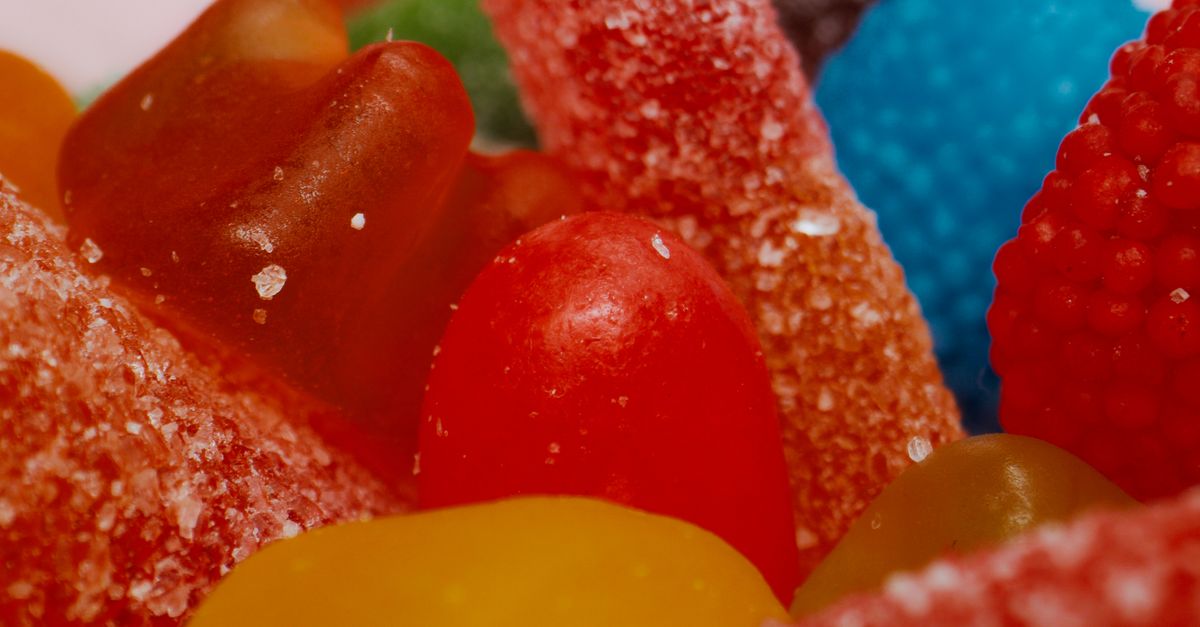
Gummy bears, gummy worms, wine gums, marshmallows, peach rings, and similar chewy sweets almost universally use porcine gelatin as the gelling agent. This is the category where gelatin is most concentrated and most commonly porcine. Always check: look for "gelatin" or "gelatine" on the ingredient list. Certified halal confectionery brands typically use bovine gelatin (from halal-slaughtered cattle) or fish gelatin as a substitute.
Dairy and Desserts
Yoghurt (particularly low-fat and Greek-style), panna cotta, mousse, and cream cheese often contain gelatin as a stabiliser. The source may not be specified on the label as "porcine gelatin" — it will simply say "gelatin" or "gelatine." In the EU, pork-derived ingredients must be labelled (Council Directive 2000/13/EC), but labelling requirements vary by country.
Pharmaceutical Capsules
This is one of the most significant gelatin issues for Muslim consumers globally. The vast majority of pharmaceutical hard capsules (the opaque two-piece shells used for powder and granule medications) and soft gel capsules (the oval, translucent liquid-filled capsules used for fish oil, vitamin E, and many prescription medications) are made from porcine gelatin.
What to do:
- Ask your pharmacist whether a specific medication is available in a gelatin-free formulation (tablet, liquid, or HPMC capsule)
- Look for HPMC (hydroxypropyl methylcellulose) or pullulan capsules — plant-derived alternatives increasingly used by supplement manufacturers targeting the halal and vegan market
- Most Islamic scholars allow the consumption of porcine gelatin capsule medications where no halal alternative is available and health necessity (darura) applies — but this is a medical and pastoral question, not a certification question
Canned and Processed Meats
Canned corned beef, luncheon meat, and some processed meat products contain added gelatin (often listed as "beef gelatin" but sometimes not specified). Even products labelled "beef" may contain gelatin derived from a different species if not certified halal.
Beverages
Wine, beer, and some fruit juices and ciders use gelatin as a fining agent to clarify the liquid by binding to tannins and proteins, which then precipitate out. The gelatin is filtered from the final product, but trace amounts may remain. For wine and beer, the haram status of alcohol makes this a secondary concern. For fruit juices and apple ciders using gelatin fining, this is relevant for halal consumers — though most mainstream juice producers have shifted to bentonite clay (halal) or plant-based fining alternatives.
Vitamin and Supplement Capsules
Most omega-3, vitamin D, vitamin E, and multivitamin soft gel capsules on the market use porcine gelatin shells. Halal-certified versions are available and increasingly stocked in mainstream pharmacies and health food stores. Look for capsules explicitly labelled "halal certified," "bovine gelatin," "fish gelatin," or "vegetable capsule."
How to Identify Gelatin on Labels
Gelatin may appear under several names on ingredient lists:
- Gelatin / Gelatine
- E441 (gelatin's European food additive number)
- Hydrolysed collagen (not always gelatin, but collagen-derived — check source)
- Collagen peptides or collagen hydrolysate (bovine or porcine — source may not be stated)
The source animal is often not specified on the label unless required by local food law. In the EU, allergen labelling rules require disclosure if gelatin is from a fish source (due to fish allergies), but porcine gelatin has no allergen disclosure requirement and may simply appear as "gelatin."
The safest approach: If a product is not halal certified and contains gelatin, assume it may be porcine unless you can confirm otherwise directly with the manufacturer.
What Major Halal Certifiers Say About Gelatin
All major halal certification bodies have issued guidance on gelatin:
- JAKIM (Malaysia): Gelatin from halal-slaughtered animals is halal. Porcine gelatin is haram. The istihalah (transformation) argument is not accepted for gelatin — chemical transformation does not change its haram status. Fish gelatin and plant-based gelling agents are acceptable without restriction.
- MUI/BPJPH (Indonesia): Same position as JAKIM. Indonesia's mandatory halal certification regime (effective 2024 onwards) requires manufacturers to declare gelatin source and provide halal certificates for any animal-derived gelatin in certified products.
- IFANCA (USA): Porcine gelatin is haram. Bovine gelatin from properly slaughtered animals is halal. Fish gelatin is halal. IFANCA certifies products using bovine or fish gelatin with verified supply chain documentation.
- HFA (UK): Same fundamental position. Notes that istihalah as a basis for permissibility of porcine gelatin is a minority scholarly view and is not adopted by HFA for certification purposes.
Browse our global halal certifier directory to find the certification body recognised in your target market.
Gelatin in Islamic Jurisprudence: The Istihalah Debate
Istihalah (استحالة) is the Islamic legal concept that a substance undergoing complete physical and chemical transformation into a new substance takes on a new ruling. The classic example is the transformation of wine into vinegar through natural acidification — vinegar is halal despite wine being haram.
Some scholars have argued that the hydrolysis of porcine collagen into gelatin constitutes istihalah — the collagen proteins are broken down and reassembled into a chemically distinct molecule, no longer recognisable as the original animal tissue. Under this argument, porcine gelatin would be permissible.
The majority of contemporary halal scholars and all major certification bodies reject this argument for several reasons:
- Gelatin retains porcine DNA and can be identified as porcine in origin through PCR (polymerase chain reaction) testing
- The transformation is not complete — the product is still fundamentally collagen, a protein derived from the original animal tissue
- The commercial intent is deliberate — manufacturers choose porcine gelatin knowing its origin, which differs from the accidental transformation of wine to vinegar
For practical purposes: any product certified by a mainstream halal body (JAKIM, MUI, IFANCA, HFA, etc.) will not contain porcine gelatin, regardless of the istihalah debate.
Quick Reference: Gelatin Halal Status by Source
| Gelatin Source | Halal Status | Notes |
|---|---|---|
| Porcine (pork) | Haram ❌ | Unanimous position of all major certifiers |
| Bovine — halal slaughter | Halal ✅ | Requires verified zabiha slaughter and certified supply chain |
| Bovine — non-zabiha slaughter | Not certifiable ⚠️ | Majority position; minority istihalah argument not accepted for certification |
| Fish | Halal ✅ | Verify fish species is halal according to madhab |
| Agar-agar | Halal ✅ | Seaweed-derived; no animal source |
| Carrageenan | Halal ✅ | Seaweed-derived; no animal source |
| Pectin | Halal ✅ | Fruit-derived; no animal source |
| Konjac / Glucomannan | Halal ✅ | Plant root-derived; no animal source |
For Manufacturers: Sourcing Halal Gelatin
If you are a food manufacturer reformulating to achieve halal certification, here is what you need to know about halal gelatin sourcing:
- Bovine gelatin suppliers with halal certification: Halal-certified bovine gelatin is available from a small number of specialist suppliers. Key requirements: the cattle must be sourced from halal-certified abattoirs, with full slaughter records and halal certificates traceable to the individual batch. Major suppliers include Gelita (has halal-certified lines), Rousselot (halal-certified bovine gelatin available), and several specialist halal gelatin producers in Malaysia, Turkey, and Indonesia.
- Fish gelatin suppliers: Fish gelatin is produced primarily from tilapia, cod, and tuna skins and scales. Malaysian and Indonesian producers (particularly from the tilapia farming industry) produce JAKIM-certified fish gelatin. European producers include Lapi Gelatine (Italy).
- Documentation required by certifiers: Your halal certifier will require the full supply chain documentation for any gelatin in your formulation — slaughter certificates, gelatin manufacturing facility halal audit, and batch certificates matching your production run.
Browse halal-certified companies in our business directory including ingredient suppliers and gelatin manufacturers with verified halal certification.
Understanding gelatin's halal status is one of the most important foundations of halal food literacy — both for consumers checking labels and for manufacturers seeking certification. When in doubt, look for products with a recognised halal certification mark, which guarantees that the certifying body has verified the gelatin source through documented supply chain audits.
Explore our global halal certifier directory to understand which bodies are recognised in your market, or browse the halal ingredients guide series for more articles on commonly questioned food additives.
Related Articles
For Halal Businesses
Is your business listed on HalalExpo?
Join 5,198 halal companies. Claim your free listing and connect with buyers worldwide.
More from Certification Standards
Certification Standards
Halal Toothpaste and Oral Care: What to Check
Many mainstream toothpastes contain glycerin from unknown sources, alcohol-based flavour carriers, or fluoride compounds that raise questions. Here's what makes toothpaste haram, what to look for on labels, and the top halal-certified brands.
D
Dr. Ahmad HassanCertification Standards
Organic + Halal: Can You Have Both Certifications?
Organic and halal certifications serve different compliance frameworks, but they share a common emphasis on product integrity and transparent supply chains. This article examines whether a food product can hold both certifications simultaneously, where the standards align, and where they diverge.
D
Dr. Yusuf IbrahimCertification Standards
Shariah Audit: What It Means for Halal Businesses
A practical guide to Shariah auditing for halal businesses: what auditors examine, how to prepare, the difference between Shariah audit and halal certification, and frameworks used globally.
I
Ibrahim Al-RashidCertification Standards
Halal Certification for Small Businesses: Simplified Guide
A practical guide to halal certification for small businesses, covering costs, timelines, documentation requirements, and step-by-step processes for food producers, restaurants, and retail operations.
S
Sarah ChenCertification Standards
Halal Baby Formula: What Parents Need to Know
Some baby formulas contain porcine-derived DHA/ARA, animal-derived vitamins, or gelatin — raising genuine halal concerns for Muslim parents. Here is how to identify problematic ingredients, which certified options exist by region, and what to do when no certified formula is available.
D
Dr. Ahmad Hassan