Loading…
Back to Blog
Is L-Cysteine (E920) Halal? The Complete Guide to Bread Additives and Sources
Dr. Aishah MalikMarch 16, 202610 min readCertification Standards
L-Cysteine from human hair is haram. L-Cysteine from duck feathers (halal-slaughtered) or synthetic fermentation is halal. This guide explains every source, where E920 appears in food products, why the label never tells you the origin, and what manufacturers need to do to certify products containing L-Cysteine.
Editorial note: Market figures cited in this article are estimates based on publicly available industry reports and may vary by source. HalalExpo.com aims to present the most current data available but readers should verify figures for business decisions. Sources include the State of the Global Islamic Economy Report, DinarStandard, and national halal authority publications.
It depends entirely on the source. L-Cysteine (E920) derived from duck feathers or synthetic production is halal. L-Cysteine derived from human hair is considered haram by the majority scholarly position. L-Cysteine derived from pork bristles or non-halal-slaughtered animal materials is haram. The challenge: bread, rolls, and baked goods sold in mainstream supermarkets globally overwhelmingly use L-Cysteine without disclosing the source — making this one of the most consequential hidden halal concerns in everyday food.
What Is L-Cysteine?
L-Cysteine is a semi-essential amino acid used primarily as a dough conditioner in commercial bread baking. In the bakery industry, it is listed on ingredient labels as:
- L-Cysteine
- L-Cysteine hydrochloride
- E920 (the European food additive code)
In bread manufacturing, L-Cysteine acts as a reducing agent — it breaks disulphide bonds in gluten proteins, making dough more extensible, easier to process in high-speed industrial bakery lines, and less prone to tearing. Without it, commercial-scale bread production would require significantly longer mixing times and more careful handling.
Beyond bakery, L-Cysteine appears in:
- Pizza dough and flatbreads
- Crackers and biscuits
- Some processed meat products (as a flavour precursor)
- Pet food
- Pharmaceutical and supplement products (as a standalone amino acid supplement)
The Four Sources of L-Cysteine — and Their Halal Status
1. Human Hair — Haram (Majority Position)
Historically, the cheapest source of L-Cysteine was human hair collected from barber shops and hair salons — predominantly from China and India, where large volumes of hair clippings could be gathered at low cost. The hair is dissolved in acid, and L-Cysteine is extracted through hydrolysis and purification.
The majority scholarly position — held by JAKIM, MUI, IFANCA, HFA, and most mainstream halal certification bodies — is that human hair-derived L-Cysteine is haram. The basis: human tissue is not a permissible food ingredient in Islamic law. The fact that the cysteine is chemically identical to cysteine from other sources does not change the ruling, as the majority position does not accept istihalah (complete transformation) as a basis for permissibility in this case.
A minority scholarly view holds that the chemical transformation of human hair into a purified amino acid constitutes istihalah and that the resulting L-Cysteine is permissible. This view is not accepted by any major halal certification body for certification purposes.
2. Duck Feathers — Halal (With Conditions)
Duck feathers are currently the most common animal-derived commercial source of L-Cysteine. The process is similar to hair: feathers are hydrolysed, and cysteine is extracted and purified.
Duck feathers are considered halal under the following conditions:
- The ducks were slaughtered in accordance with Islamic requirements (zabiha), or
- The feathers are a by-product of ducks that died naturally or were slaughtered by conventional (non-Islamic) methods, in which case scholarly opinion varies
In practice, halal certification bodies that accept feather-derived L-Cysteine require documentation confirming the feather source and slaughter method. JAKIM and MUI have certified feather-derived L-Cysteine from verified halal sources. The broader scholarly consensus treats feathers from permissible animals similarly to hides — the primary concern is the slaughter method.
3. Synthetic / Fermentation-Derived — Halal ✅
Synthetic L-Cysteine is produced through chemical synthesis or microbial fermentation, with no animal material involved. This is the cleanest halal option and is increasingly the preferred source for manufacturers targeting halal, kosher, and vegan markets simultaneously.
Key synthetic/fermentation L-Cysteine producers include Wacker Chemie (Germany), which produces VEVOPUR® L-Cysteine via fermentation, and several other European and Asian manufacturers. Synthetic L-Cysteine is halal, kosher, and vegan — and typically commands a slight price premium over hair or feather-derived alternatives.
4. Pork Bristles or Non-Halal Animal Materials — Haram ❌
L-Cysteine can also be derived from pork bristles (pig hair) or other non-halal animal materials. This is categorically haram. Pork-derived L-Cysteine is less common in modern production but cannot be ruled out without explicit source confirmation from the manufacturer.
Where Is L-Cysteine Used? A Product Category Guide
Bread and Rolls
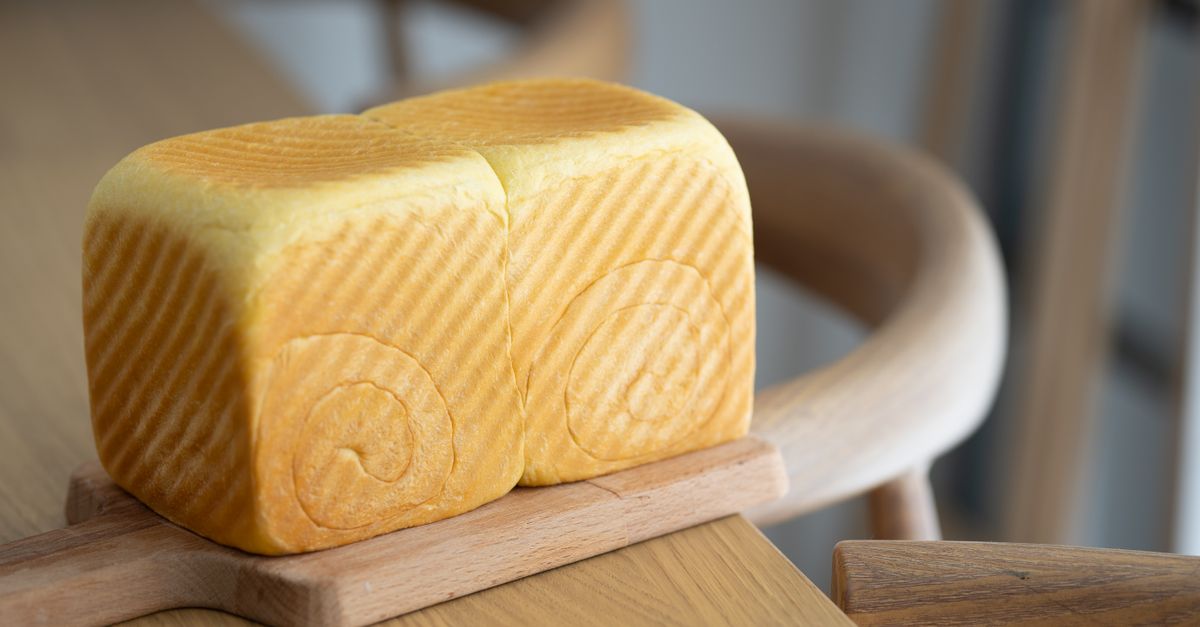
This is where L-Cysteine has the greatest impact on halal consumers. Commercial white bread, sandwich bread, burger buns, hot dog rolls, dinner rolls, and flatbreads produced at industrial scale frequently contain L-Cysteine as a dough conditioner. It will appear on the label simply as "L-Cysteine hydrochloride" or "E920" — the animal source is almost never disclosed on the consumer label.
Artisan bread, sourdough, and breads produced without commercial dough conditioners typically do not contain L-Cysteine. The more industrially produced the bread, the more likely it contains E920.
Fast Food Buns and Pizza Bases
Major fast food chains that produce buns and pizza bases at industrial scale are among the largest users of L-Cysteine. Whether their specific formulation uses human hair, feather, or synthetic cysteine is not publicly disclosed and varies by supplier contract. Halal-certified fast food chains have specific supplier requirements that exclude human hair and pork-derived cysteine.
Crackers, Biscuits, and Pastry
Some commercial cracker and biscuit formulations use L-Cysteine, though it is less universal than in bread. Shortcrust pastry and puff pastry products in commercial food service sometimes include it.
Amino Acid Supplements
L-Cysteine sold as a dietary supplement (often for hair health, antioxidant support via glutathione precursor, or liver support) is available in both animal-derived and synthetic forms. Synthetic is the standard for supplement manufacturers targeting halal and vegan markets. Check for "vegetarian capsule" and "fermentation-derived" on the supplement label.
How to Identify L-Cysteine on Labels
L-Cysteine appears on food labels as:
- L-Cysteine
- L-Cysteine hydrochloride
- E920 (EU code; used in EU-labelled products)
- Sometimes listed under "flour treatment agent" or "improving agent" in the ingredient list
The source (human hair, feather, or synthetic) is not required to be disclosed on consumer food labels in any major jurisdiction. If you see E920 or L-Cysteine on a product that is not halal certified, you cannot determine the source from the label alone. You would need to contact the manufacturer directly or rely on halal certification.
What Major Halal Certifiers Say
- JAKIM (Malaysia): Human hair-derived L-Cysteine is haram. L-Cysteine from halal-slaughtered duck feathers or synthetic sources is halal. Requires source documentation from the supplier for any L-Cysteine in a certified product.
- MUI/BPJPH (Indonesia): Same position as JAKIM. Under Indonesia's mandatory halal certification regime, manufacturers must declare L-Cysteine source and provide supply chain documentation.
- IFANCA (USA): Human hair and pork-derived L-Cysteine are haram. Feather-derived (from halal-slaughtered poultry) and synthetic are halal. IFANCA requires a letter of guarantee from the L-Cysteine supplier confirming source.
- HFA (UK): Human hair-derived L-Cysteine is not permitted in HFA-certified products. Synthetic and feather-derived (from halal-slaughtered poultry) are accepted with documentation.
Quick Reference: L-Cysteine (E920) Halal Status by Source
| Source | Halal Status | Notes |
|---|---|---|
| Human hair | Haram ❌ | Majority scholarly position; not accepted by any major certifier |
| Pork bristles | Haram ❌ | Unanimous |
| Duck feathers (non-zabiha) | Disputed ⚠️ | Accepted by some certifiers with documentation; rejected by others |
| Duck feathers (halal-slaughtered) | Halal ✅ | Accepted by JAKIM, MUI, IFANCA with verified supply chain |
| Synthetic / fermentation | Halal ✅ | No animal source; accepted by all certifiers |
For Manufacturers: Switching to Halal L-Cysteine
If you are a bakery or food manufacturer seeking halal certification and your current formulation uses L-Cysteine, the path to compliance is straightforward:
- Contact your current L-Cysteine supplier and request a declaration of source (human hair, feather, or synthetic). Many suppliers will provide this on request.
- If the source is human hair: Switch to a synthetic or feather-derived alternative. Wacker Chemie's VEVOPUR® fermentation-derived L-Cysteine is widely available and accepted by all major halal certifiers. Pricing is comparable to feather-derived and significantly better value than custom-sourced halal-slaughter feather cysteine.
- If the source is feathers: Obtain the supplier's halal certificate and slaughter documentation. If the supplier cannot provide halal slaughter verification, treat it as non-certifiable and switch to synthetic.
- Document the change: Your halal certifier will require a letter of guarantee from your L-Cysteine supplier as part of the certification audit.
Browse halal-certified food ingredient suppliers in our business directory, or explore our global certifier directory to find the right halal body for your market.
L-Cysteine is one of the clearest examples of why halal certification matters beyond obvious animal products. A loaf of bread that contains no meat and no alcohol can still fail halal certification if its dough conditioner is derived from human hair or pork. For consumers, the practical takeaway is simple: look for halal certification on bread and baked goods rather than trying to trace individual ingredient sources through the supply chain. For manufacturers, synthetic L-Cysteine eliminates the compliance question entirely at minimal cost difference.
Explore our full halal ingredients guide series or use our directory to find halal-certified bakery ingredient suppliers.
Related Articles
For Halal Businesses
Is your business listed on HalalExpo?
Join 5,198 halal companies. Claim your free listing and connect with buyers worldwide.
More from Certification Standards
Certification Standards
Halal Toothpaste and Oral Care: What to Check
Many mainstream toothpastes contain glycerin from unknown sources, alcohol-based flavour carriers, or fluoride compounds that raise questions. Here's what makes toothpaste haram, what to look for on labels, and the top halal-certified brands.
D
Dr. Ahmad HassanCertification Standards
Organic + Halal: Can You Have Both Certifications?
Organic and halal certifications serve different compliance frameworks, but they share a common emphasis on product integrity and transparent supply chains. This article examines whether a food product can hold both certifications simultaneously, where the standards align, and where they diverge.
D
Dr. Yusuf IbrahimCertification Standards
Shariah Audit: What It Means for Halal Businesses
A practical guide to Shariah auditing for halal businesses: what auditors examine, how to prepare, the difference between Shariah audit and halal certification, and frameworks used globally.
I
Ibrahim Al-RashidCertification Standards
Halal Certification for Small Businesses: Simplified Guide
A practical guide to halal certification for small businesses, covering costs, timelines, documentation requirements, and step-by-step processes for food producers, restaurants, and retail operations.
S
Sarah ChenCertification Standards
Halal Baby Formula: What Parents Need to Know
Some baby formulas contain porcine-derived DHA/ARA, animal-derived vitamins, or gelatin — raising genuine halal concerns for Muslim parents. Here is how to identify problematic ingredients, which certified options exist by region, and what to do when no certified formula is available.
D
Dr. Ahmad Hassan