Loading…
Back to Blog
Halal Transport Certification: Vehicles and Containers
Rashid TanMarch 15, 202611 min readIndustry Insights
A detailed guide to halal transport certification — why it matters, certification standards, vehicle and container requirements, GPS monitoring, documentation, and cold chain compliance.
Editorial note: Market figures cited in this article are estimates based on publicly available industry reports and may vary by source. HalalExpo.com aims to present the most current data available but readers should verify figures for business decisions. Sources include the State of the Global Islamic Economy Report, DinarStandard, and national halal authority publications.
Why Halal Transport Certification Matters
Halal integrity does not end at the factory gate. A product that is manufactured to the highest halal standards can lose its halal status during transportation if it comes into contact with non-halal goods, is exposed to contamination, or is stored under conditions that compromise its purity. This is the principle of "halal from farm to fork" — or more accurately, from source to consumer — and it places transport as a critical link in the halal supply chain.
Cross-contamination during transport is a real risk, not a theoretical one. Shared vehicles that carry pork products, alcohol, or other haram goods alongside halal cargo can transfer residues, odours, and physical contaminants. Even if the halal product is sealed in its own packaging, the integrity of the halal chain is considered broken under most certification standards if the transport vehicle also carries non-halal items without adequate segregation or cleaning protocols.
This has led to the development of specific halal transport certification standards that cover vehicles, containers, warehousing, and the entire logistics chain. For businesses in the halal food, cosmetics, and pharmaceutical sectors, understanding these requirements is essential for maintaining certification and meeting the expectations of halal-conscious consumers and trading partners.
For related guidance on halal logistics operations, see our article on halal logistics and cold chain best practices.
Key Certification Standards for Halal Transport
MS 2400: Halalan-Toyyiban Assurance Pipeline (Malaysia)
Malaysia's MS 2400 standard is the most comprehensive halal logistics standard in the world. Developed by the Department of Standards Malaysia and enforced through JAKIM recognition, MS 2400 covers the entire halalan-toyyiban (halal and wholesome) assurance pipeline, including:
- MS 2400-1: Management system requirements for transportation of goods and cargo
- MS 2400-2: Management system requirements for warehousing and related activities
- MS 2400-3: Management system requirements for retailing
MS 2400-1 specifies requirements for vehicles, containers, handling equipment, cleaning procedures, documentation, and personnel training. It is widely regarded as the benchmark standard for halal transport and has influenced the development of halal logistics standards in other jurisdictions.
IHIAS: International Halal Integrity Alliance Standard
The International Halal Integrity Alliance (IHI Alliance), based in Malaysia, developed the IHIAS (IHI Alliance Standard) for halal supply chain management. IHIAS covers transportation, warehousing, and distribution with a focus on integrity assurance throughout the supply chain. The standard is designed to be applicable across different countries and is recognised by several international certification bodies.
GSO Standards (Gulf Cooperation Council)
The Gulf Standardisation Organisation has published standards applicable to halal logistics within GCC countries. While not as detailed as MS 2400 specifically for transport, GSO halal standards address supply chain integrity as part of broader halal management system requirements. GCC countries increasingly require evidence of halal transport compliance for imported food products.
OIC/SMIIC Standards
The Standards and Metrology Institute for Islamic Countries (SMIIC), established by the Organisation of Islamic Cooperation (OIC), has published OIC/SMIIC standards that include provisions for halal logistics and supply chain management. These standards aim to harmonise halal requirements across OIC member countries and facilitate international trade.
Vehicle Requirements
Dedicated vs. Shared Vehicles
The most straightforward approach to halal transport compliance is using dedicated vehicles that exclusively carry halal products. Dedicated vehicles eliminate the risk of cross-contamination and simplify documentation. However, dedicated fleets are more expensive to operate and may not be economically viable for smaller logistics operators or routes with lower halal cargo volumes.
Shared vehicles — those that transport both halal and non-halal goods at different times — are permitted under most halal transport standards, provided that strict cleaning protocols are followed between loads. The cleaning process, known as sertu or samak in Islamic terminology, involves specific steps:
- Remove all visible residue from the previous non-halal cargo
- Wash with water mixed with earth (soil) — this is the traditional samak requirement derived from Islamic jurisprudence. Some certification bodies accept industrial-grade cleaning agents as equivalent to the earth-water wash.
- Rinse thoroughly with clean water — typically six additional rinses after the earth-water wash (seven washes total, following the hadith regarding purification from najis/impure substances)
- Inspect and verify that the vehicle is free from contamination, odour, and residue
- Document the cleaning with signed records including date, time, cleaning agent used, person responsible, and verification sign-off
The cleaning requirements are among the most debated aspects of halal transport. Some certification bodies accept a simplified cleaning protocol using water and approved cleaning agents, while others strictly require the traditional seven-wash samak process. Know which standard your certification body applies and ensure your cleaning SOPs match.
Vehicle Specifications
Halal transport vehicles should meet the following specifications:
- Material: Cargo areas should be constructed of non-absorbent, easy-to-clean materials such as stainless steel, aluminium, or food-grade fibreglass. Wood is generally discouraged as it absorbs liquids and is difficult to sanitise completely.
- Sealing: Cargo compartments must be fully enclosed and sealable to prevent exposure to external contaminants during transit
- Temperature control: For perishable halal goods, vehicles must have functioning refrigeration units that maintain the required temperature range throughout the journey
- Identification: Dedicated halal vehicles should be clearly marked with halal transport identification. This aids visual verification by inspectors and receiving facilities.
- Condition: Vehicles must be in good repair with no damage that could compromise the cargo area's integrity — cracks, holes, or gaps that could allow contamination
Container Specifications
Shipping Containers (International Trade)
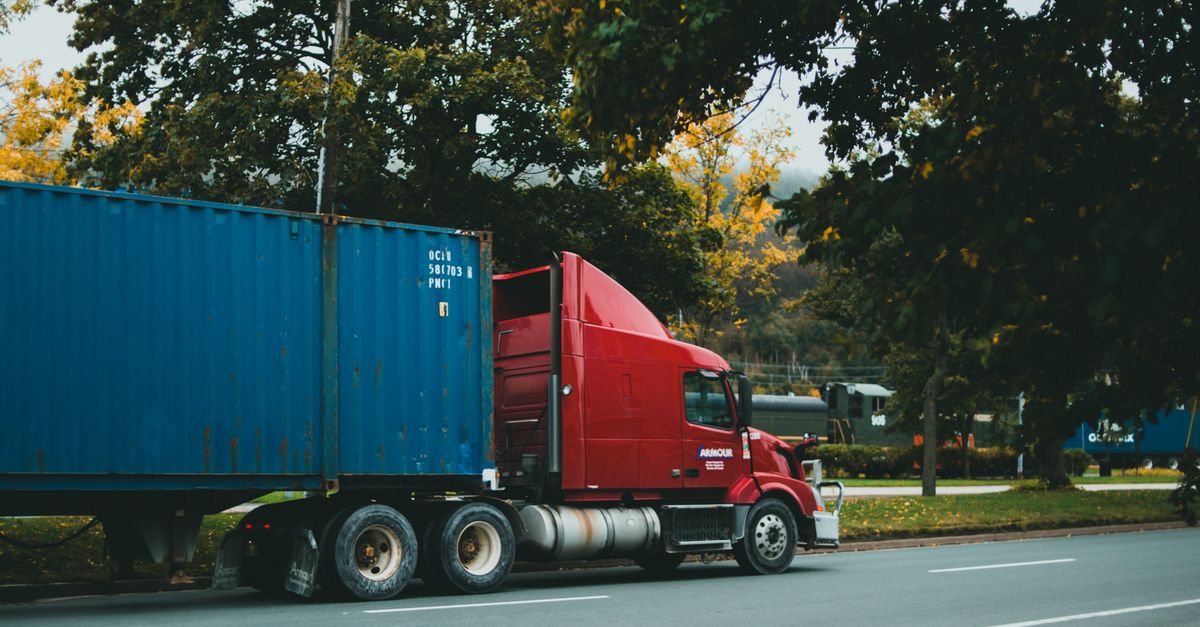
For international halal trade, shipping containers (typically 20ft or 40ft ISO containers) are subject to similar requirements as road vehicles:
- Dedicated containers are preferred for high-value halal shipments. Some halal logistics providers maintain fleets of containers exclusively used for halal cargo.
- Shared containers require cleaning certification before loading halal goods. The cleaning must be performed by a facility that understands halal requirements, and documentation must accompany the container throughout its journey.
- Reefer containers (refrigerated shipping containers) for frozen or chilled halal goods must maintain consistent temperature with data logging throughout the voyage.
- Container seals must remain intact from loading to unloading. Any evidence of seal tampering requires the shipment to be inspected and potentially rejected.
Intermediate Containers and Packaging
Within vehicles and shipping containers, halal products should be packed in sealed intermediate containers (cartons, crates, or pallets wrapped in food-grade film) that provide an additional barrier against contamination. Labels should clearly identify the contents as halal, reference the halal certificate number, and include batch and traceability information.
GPS Tracking and Monitoring
Modern halal transport certification increasingly requires real-time tracking and monitoring systems. GPS tracking provides several compliance benefits:
- Route verification: Confirms that the vehicle followed the planned route without unauthorised stops at non-halal facilities
- Temperature monitoring: IoT sensors connected to GPS systems can transmit real-time temperature data from refrigerated cargo compartments, providing evidence that the cold chain was maintained
- Tamper detection: GPS-enabled electronic seals (e-seals) can detect and report if a container or vehicle door is opened during transit
- Audit trail: GPS data creates an automated, timestamped record of the transport journey that supplements manual documentation and provides evidence for audit purposes
Several halal logistics technology providers offer integrated GPS tracking platforms designed specifically for halal supply chain visibility. These platforms can generate compliance reports, alert operators to deviations, and provide documentation that satisfies auditor requirements.
Documentation Chain
Halal transport requires a comprehensive documentation chain that accompanies the cargo from origin to destination:
| Document | Purpose | Issued By |
|---|---|---|
| Halal certificate (product) | Confirms the product itself is halal-certified | Product certification body |
| Vehicle cleaning certificate | Confirms the vehicle was cleaned per halal standards before loading | Cleaning facility or logistics operator |
| Halal transport certificate | Confirms the transport operator is halal-certified | Transport certification body |
| Loading inspection report | Records condition of vehicle and cargo at loading | Quality inspector or halal officer |
| Temperature log (cold chain) | Records temperature throughout transit | Automated data logger |
| GPS route log | Records vehicle route and any stops | GPS tracking system |
| Delivery receipt | Confirms cargo arrived intact with seals unbroken | Receiving facility |
Missing or incomplete documentation is one of the most common non-conformities in halal transport audits. Establishing a standardised documentation workflow — ideally supported by a digital document management system — is essential for maintaining compliance.
Cold Chain Transport
Halal cold chain transport combines standard cold chain requirements (temperature control, monitoring, and documentation) with halal-specific requirements (contamination prevention, segregation, and halal cleaning). Key considerations include:
- Temperature ranges: Chilled halal products must be maintained at 0-5 degrees C, frozen products at -18 degrees C or below. These ranges align with standard food safety requirements but must be documented specifically for halal compliance purposes.
- No mixing of halal and non-halal in the same refrigerated compartment: Even if both are temperature-controlled, halal and non-halal products must not share the same refrigerated space unless physically separated and the vehicle is certified for mixed-load operations.
- Thawing prevention: Frozen halal products must not thaw during loading, transit, or unloading. Loading procedures should minimise the time products spend outside refrigerated environments.
- Cross-dock facilities: If halal goods pass through cross-dock or transfer facilities during transit, those facilities must also maintain halal segregation and handling procedures.
Certification Process for Transport Operators
Logistics companies seeking halal transport certification typically go through these steps:
- Gap analysis: Assess current operations against the target halal transport standard (MS 2400, IHIAS, or the applicable national standard)
- Halal Assurance System development: Develop or update SOPs for vehicle cleaning, cargo segregation, documentation, personnel training, and complaint handling
- Staff training: Train drivers, warehouse staff, and operations managers on halal handling requirements
- Internal audit: Conduct a trial audit using the halal transport standard checklist
- Certification body application: Submit application and documentation to the chosen certification body
- External audit: The certification body audits vehicles, facilities, documentation, and staff competency
- Corrective actions: Address any non-conformities identified during the audit
- Certification: Upon satisfactory completion, the halal transport certificate is issued
Browse the HalalExpo certifier directory to find certification bodies that offer halal logistics and transport certification in your region.
Industry Trends
Halal transport certification is evolving rapidly, driven by several trends:
- Blockchain traceability: Pilot projects are using blockchain technology to create immutable records of the halal transport chain, from cleaning certificates to delivery receipts. This addresses trust gaps in paper-based documentation systems.
- Harmonisation efforts: The OIC, through SMIIC, is working to harmonise halal logistics standards across member countries. Greater standardisation will reduce the complexity and cost of multi-country halal supply chains.
- E-commerce logistics: The growth of halal e-commerce creates new challenges for last-mile delivery, where products may be transported in multi-category delivery vehicles. Halal-specific last-mile solutions are emerging in markets like Malaysia and the UAE.
- Sustainability: Halal transport operators are increasingly expected to address environmental sustainability alongside halal compliance — fuel efficiency, emissions reduction, and sustainable packaging.
Conclusion
Halal transport certification is a critical but often overlooked component of halal supply chain integrity. As global halal trade grows and consumers become more sophisticated about supply chain transparency, the demand for certified halal logistics will increase. For transport operators, halal certification opens access to a large and growing market. For halal product manufacturers and traders, ensuring that your logistics partners hold valid halal transport certification protects your product's halal status and your brand's credibility with halal-conscious consumers.
Start by understanding which standard applies to your market, assess your current operations against its requirements, and engage with a recognised certification body. The investment in halal transport certification pays dividends through market access, customer trust, and supply chain integrity.
For Halal Businesses
Is your business listed on HalalExpo?
Join 5,198 halal companies. Claim your free listing and connect with buyers worldwide.
More from Industry Insights
Industry Insights
Is Cryptocurrency Halal? Scholarly Opinions and Analysis
A balanced analysis of whether cryptocurrency is halal under Islamic law, examining the arguments of scholars who permit it, those who prohibit it, and the conditional middle ground — with reference to real fatwas, institutional positions, and the key Shariah issues at stake.
D
Dr. Ahmad HassanIndustry Insights
Halal Crowdfunding Platforms: Islamic Finance for Startups and SMEs
Islamic crowdfunding is reshaping how Muslim entrepreneurs and startups raise capital. This guide covers the principles behind halal crowdfunding, the difference between equity, reward, and donation models, and the top platforms operating globally.
D
Dr. Ahmad HassanIndustry Insights
Umrah Travel Planning: A Practical Guide
Everything you need to plan your umrah trip in 2026: visa requirements, best times to travel, packing essentials, hotel options near the Haram, budget planning, and tips for first-time pilgrims.
Y
Yusuf RahmanIndustry Insights
Japan's Halal Market: How Tourism and Trade Are Driving Growth
Japan is emerging as an unexpected halal market, driven by inbound Muslim tourism and export ambitions. An overview of Japan's halal landscape, certification framework, and opportunities.
H
HalalExpo Editorial TeamIndustry Insights
Halal Travel in Turkey: The Complete Guide for Muslim Visitors
Turkey is one of the most naturally Muslim-friendly destinations on earth — 99% Muslim population, mosques in every neighbourhood, halal food on every corner, and a growing number of alcohol-free hotels. This complete guide covers Istanbul, Cappadocia, Antalya, Ramadan travel, and practical tips for Muslim visitors.
A
Ahmad Faris