Loading…
Back to Blog
Halal Warehousing Standards: Segregation and Compliance
Hafiz Tan Wei MingMarch 14, 202615 min readIndustry Insights
A comprehensive guide to halal warehousing standards covering segregation requirements, MS 2400 and related standards, temperature zone management, pest control, cleaning validation, documentation practices, staff training, and third-party logistics provider selection.
Editorial note: Market figures cited in this article are estimates based on publicly available industry reports and may vary by source. HalalExpo.com aims to present the most current data available but readers should verify figures for business decisions. Sources include the State of the Global Islamic Economy Report, DinarStandard, and national halal authority publications.
Why Halal Warehousing Matters
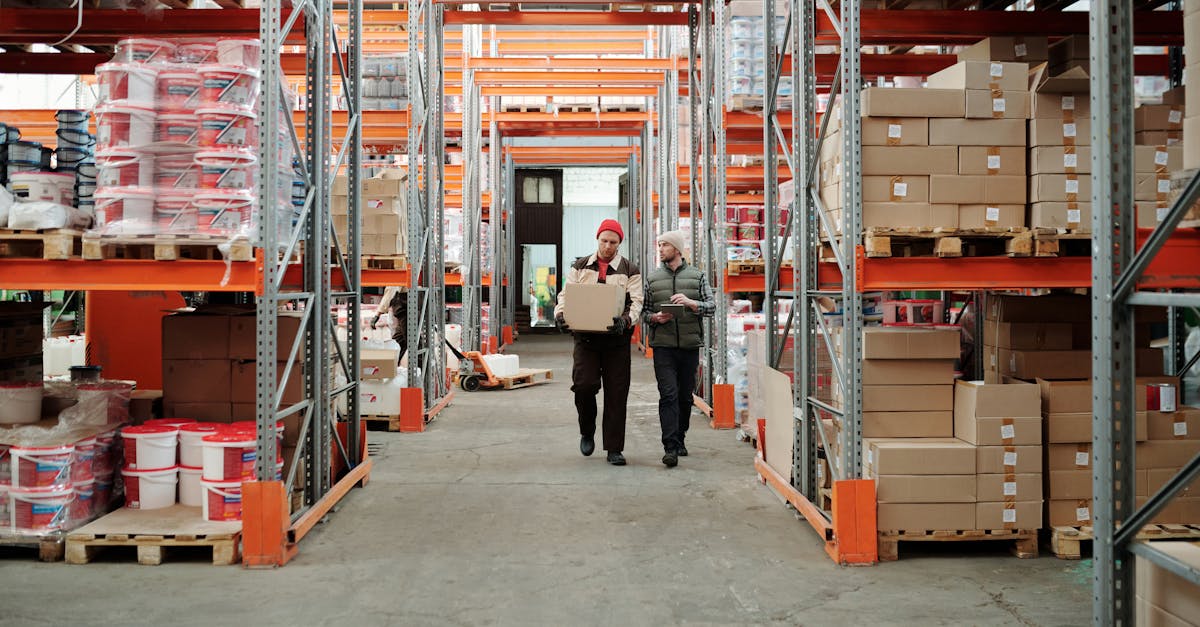
Halal integrity does not end at the factory gate. A product that is manufactured under strict halal conditions can lose its halal status if it is stored, handled, or transported in a manner that compromises its purity. Cross-contamination with non-halal products, exposure to najs (ritually impure) substances, or inadequate segregation during storage can all invalidate the halal status of otherwise compliant products.
As halal supply chains become more globalised and consumer awareness increases, warehousing has emerged as a critical control point in the halal value chain. This is reflected in the development of specific halal logistics standards, most notably Malaysia's MS 2400, and in the growing expectation from halal certification bodies, retailers, and importing countries that warehouse operations demonstrate documented halal compliance.
This guide covers the key requirements for halal-compliant warehousing, drawing from established standards and industry best practices applicable to food, cosmetics, pharmaceutical, and consumer goods warehousing.
Segregation Requirements: Dedicated vs Shared Facilities
Dedicated Halal Warehouses
A dedicated halal warehouse stores only halal-certified products and does not handle any non-halal goods at any time. This is the gold standard for halal logistics and eliminates the primary risk of cross-contamination. Dedicated facilities are most common in Muslim-majority countries where the volume of halal goods justifies the investment, and where regulations may mandate dedicated storage for certain product categories.
The advantages of dedicated facilities include simplified compliance (no segregation protocols needed since all goods are halal), easier audit processes, stronger brand positioning for halal-sensitive customers, and reduced risk of human error. The main disadvantage is cost — operating a facility exclusively for halal goods requires sufficient volume to justify the overhead, which may not be feasible for smaller operations or in markets where halal products represent a minority of the total inventory.
Shared Facilities with Segregation
In practice, many warehouses handle both halal and non-halal products within the same facility. This is permissible under most halal standards provided that adequate segregation measures are in place. The specific requirements vary by standard and certifier, but generally include:
- Physical separation: Halal products must be stored in a designated area that is physically separated from non-halal products. This separation can be achieved through dedicated racks, caged areas, separate rooms, or clearly demarcated zones with physical barriers. Signage must clearly identify halal and non-halal storage zones.
- Vertical segregation: If halal and non-halal products are stored on the same racking system (which some standards permit and others do not), halal products must always be stored above non-halal products to prevent dripping, leaking, or contamination from above.
- Separate handling equipment: Ideally, forklifts, pallet jacks, and other handling equipment used for halal products should be dedicated. If equipment is shared, documented cleaning procedures must be followed before switching between halal and non-halal operations.
- No direct contact: Halal products must never come into direct physical contact with non-halal products, including during loading, unloading, staging, and dispatch operations.
MS 2400: The Halal Logistics Standard
Malaysia's MS 2400 (Halalan-Toyyiban Assurance Pipeline) is the most comprehensive halal logistics standard in the world and serves as a reference point for halal warehousing practices globally. The standard was developed by the Department of Standards Malaysia (DOSM) and covers the entire logistics pipeline including transportation, warehousing, and retailing.
Key MS 2400 Requirements for Warehousing
- Halal Assurance Management System: The warehouse operator must implement a documented halal management system, including a halal policy, halal assurance team, and regular internal audits.
- Receiving procedures: All incoming goods must be inspected for halal status verification, including checking halal certificates, product labels, and packaging integrity. Non-halal goods must be identified and directed to the appropriate storage zone immediately upon receipt.
- Storage procedures: Detailed requirements for segregation as described above, including specific provisions for temperature-controlled storage, bulk storage, and high-risk products (such as those containing animal-derived ingredients).
- Dispatch procedures: Halal and non-halal products must not be dispatched on the same vehicle at the same time unless there is complete physical separation within the vehicle (such as sealed containers). Documentation must track halal status through the dispatch process.
- Cleaning and sanitation: Detailed protocols for cleaning storage areas, equipment, and vehicles used for halal products, including specific requirements for handling cross-contamination incidents.
While MS 2400 is a Malaysian standard, it has influenced halal logistics practices across Southeast Asia and the Middle East, and several international certification bodies use it as a benchmark when assessing warehouse operations. Learn more about halal logistics best practices in the HalalExpo guide to halal logistics and cold chain management.
Temperature Zone Management
Temperature-controlled warehousing adds another layer of complexity to halal segregation. Different product categories require different temperature zones:
| Zone | Temperature Range | Typical Products | Halal Considerations |
|---|---|---|---|
| Ambient | 15-25C | Dry goods, canned products, cosmetics | Standard segregation applies |
| Chilled | 0-5C | Fresh meat, dairy, ready meals | Highest contamination risk — dedicated zones preferred |
| Frozen | -18C and below | Frozen meat, seafood, ice cream | Direct contact risk during thawing — separate from non-halal frozen goods |
| Controlled room temp | 15-30C | Pharmaceuticals, supplements | GMP requirements overlay halal segregation |
The chilled and frozen zones pose the greatest cross-contamination risk because liquid drip, condensation, and packaging damage can transfer non-halal residues to adjacent products. In shared cold chain facilities, dedicated halal sections within the cold room — physically separated by walls, curtains, or at minimum clearly demarcated shelving with vertical segregation — are essential.
Pest Control in Halal Warehouses
Pest control is a standard requirement in any food-grade warehouse, but halal compliance adds specific considerations:
- Pesticide and bait ingredients: Some pest control products contain animal-derived attractants or carriers. While most scholars and certification bodies focus on the products being stored rather than the pest control products used in the facility, some certifiers require verification that pest control materials do not contain porcine or other haram-derived ingredients.
- Rodent bait placement: Bait stations must be placed outside the halal storage zone to prevent contamination. If bait stations are used inside the warehouse, they must be in non-halal zones or in areas that do not risk contaminating halal products.
- Fumigation: If fumigation is required, the chemicals used should be verified for halal compatibility, and post-fumigation air quality testing should confirm no residues on halal products.
- Documentation: All pest control activities must be documented, including chemicals used, areas treated, and dates. This documentation is reviewed during halal audits.
Cleaning Validation
When equipment or areas are shared between halal and non-halal products, cleaning validation becomes a critical halal control point. The cleaning process must be documented and verifiable, ensuring that all traces of non-halal contamination are removed before the area or equipment is used for halal products.
Samak (Ritual Cleansing)
Under the Shafi'i school of Islamic jurisprudence (followed in Malaysia, Indonesia, and parts of the Middle East), equipment or surfaces that have been contaminated with najs mughallazah (heavy impurity, primarily from dogs and pigs) require samak — a specific ritual cleansing process that involves washing seven times, one of which must be with earth or a clay-based cleaning agent. This requirement is codified in MS 2400 and is enforced by JAKIM and other certifiers that follow this school.
Other schools of Islamic jurisprudence have less stringent requirements for ritual cleansing, and certification bodies aligned with the Hanafi school (common in South Asia, Turkey, and parts of the Middle East) may accept thorough industrial cleaning without the samak requirement, provided all visible contamination is removed.
Practical Cleaning Protocol
- Pre-rinse to remove visible residue
- Application of approved cleaning agents (verified halal-compatible)
- Thorough scrubbing of all contact surfaces
- Rinse and inspect for residual contamination
- If samak is required: earth/clay wash followed by six water washes
- Final inspection and sign-off by the halal assurance officer
- Documentation of the entire process including before/after photos where applicable
Staff Training Requirements
Warehouse staff are the frontline of halal compliance. Without adequate training, even the best-designed systems will fail. Training should cover:
- Basic halal awareness: What halal and haram mean, why segregation matters, and the consequences of non-compliance (including for the end consumer's religious obligations).
- Operational procedures: Specific procedures for receiving, storing, picking, packing, and dispatching halal products. This includes how to handle mixed shipments, what to do if segregation is compromised, and incident reporting procedures.
- Identification and labelling: How to identify halal products (certification marks, colour-coded labels, designated areas) and the importance of maintaining correct labelling throughout the storage period.
- Cleaning procedures: Detailed training on the cleaning protocols required for shared equipment and areas, including samak procedures if applicable.
Training should be provided during induction for new staff, refreshed at least annually, and updated whenever procedures change. Records of all training (including attendee names, dates, topics covered, and competency assessments) must be maintained for audit purposes.
Selecting Third-Party Logistics Providers
Many companies outsource warehousing to third-party logistics (3PL) providers. When selecting a 3PL for halal products, evaluate:
- Halal certification: Does the 3PL hold halal logistics certification (such as MS 2400 or an equivalent)? If not, are they willing to implement the required controls?
- Existing halal clients: A 3PL that already handles halal products for other clients will have established procedures and trained staff.
- Facility design: Is the facility designed to accommodate segregation, or will retrofitting be required?
- Willingness to audit: Will the 3PL allow your halal certification body to audit the warehouse as part of your certification scope?
- Insurance and liability: What happens if a cross-contamination incident occurs? Is the 3PL's insurance adequate to cover recall costs and reputational damage?
The halal logistics sector is growing as supply chains become more complex and certification bodies extend their scope beyond manufacturing to cover the entire supply chain. Companies that invest in compliant warehousing infrastructure now will be better positioned as requirements tighten and consumer expectations increase. Explore the HalalExpo certifier directory and business directory to find halal logistics providers and certification bodies that cover warehousing and supply chain operations.
For Halal Businesses
Is your business listed on HalalExpo?
Join 5,198 halal companies. Claim your free listing and connect with buyers worldwide.
More from Industry Insights
Industry Insights
Is Cryptocurrency Halal? Scholarly Opinions and Analysis
A balanced analysis of whether cryptocurrency is halal under Islamic law, examining the arguments of scholars who permit it, those who prohibit it, and the conditional middle ground — with reference to real fatwas, institutional positions, and the key Shariah issues at stake.
D
Dr. Ahmad HassanIndustry Insights
Halal Crowdfunding Platforms: Islamic Finance for Startups and SMEs
Islamic crowdfunding is reshaping how Muslim entrepreneurs and startups raise capital. This guide covers the principles behind halal crowdfunding, the difference between equity, reward, and donation models, and the top platforms operating globally.
D
Dr. Ahmad HassanIndustry Insights
Umrah Travel Planning: A Practical Guide
Everything you need to plan your umrah trip in 2026: visa requirements, best times to travel, packing essentials, hotel options near the Haram, budget planning, and tips for first-time pilgrims.
Y
Yusuf RahmanIndustry Insights
Japan's Halal Market: How Tourism and Trade Are Driving Growth
Japan is emerging as an unexpected halal market, driven by inbound Muslim tourism and export ambitions. An overview of Japan's halal landscape, certification framework, and opportunities.
H
HalalExpo Editorial TeamIndustry Insights
Halal Travel in Turkey: The Complete Guide for Muslim Visitors
Turkey is one of the most naturally Muslim-friendly destinations on earth — 99% Muslim population, mosques in every neighbourhood, halal food on every corner, and a growing number of alcohol-free hotels. This complete guide covers Istanbul, Cappadocia, Antalya, Ramadan travel, and practical tips for Muslim visitors.
A
Ahmad Faris