Loading…
Loading…
Office des Foires et Expositions de Casablanca (OFEC), Casablanca, Morocco
Results from previous editions — the proof of what exhibitors and visitors can expect. Figures are organiser-reported.
AMDIE (OFEC), Casablanca, Morocco
Per the organiser's (Elan Expo) own post-show press release, the 8th International Morocco SIEMA & Food Expo 2025 gathered 236 global brands from 26 countries presenting technologies in food processing, packaging, agriculture and machinery. The event welcomed 17,600 professional buyers and hosted 13 high-level conferences featuring 43 speakers with 2,750 attendees. All figures are organiser self-reported. This is a general food-processing, packaging and machinery trade show (not a halal-specific event); halal-relevant support came via the Halal Research Council and IH Halal among the named supporting organisations, but the reported figures are whole-show, not halal-segment-specific. No booth/sqm count or trade value was stated.
View edition details →Secure your exhibition space. Compare booth options, pricing, and inclusions below.
$750
$83/sqm
Secure your exhibition space and connect with global halal industry buyers.
Apply via siema.ma — Morocco premier international food and agri-food trade show
Organised by SIEMA group in Casablanca
Halal products and certification bodies have dedicated pavilion
Contact exhibitor services at info@siema.ma
Applications open year-round; early booking recommended for prime stand locations
certification-standards
How halal certification works in Italy, the major Italian certification bodies, and how to choose the right one for the domestic market and for agri-food export.
Read Article
events-shows
MIFB runs 15–17 July 2026 at KLCC. A practical buyer's playbook for F&B procurement — pre-event prep, on-site strategy, and how to lock halal-certified suppliers.
Read Article
certification-standards
"Halal wagyu" almost always means Australian wagyu — Japan has very limited halal slaughter infrastructure. A buyer's guide to the four sources of wagyu (Japanese A5, Australian full-blood/F1, American, domestic Muslim-majority crossbred), the slaughter and stunning question, foodservice considerations, and grading.
Read Article
Saudi Arabia
October 4, 2026 – October 6, 2026
Riyadh International Convention & Exhibition Center (RICEC)
UAE
June 22, 2026 – June 22, 2026
Madinat Jumeirah Conference & Events Centre
Saudi Arabia
September 5, 2026 – September 7, 2026
Riyadh Front Exhibition and Conference Centre
Food processing, packaging, machinery, with halal focus.
$1,400
$78/sqm
Contact for pricing
Calculated for Office des Foires et Expositions de Casablanca (OFEC) (Muslim World League method, Shafi'i Asr). These are approximate — confirm with a local mosque or a prayer-times app on the day.
| Day | Fajr | Sunrise | Dhuhr | Asr | Maghrib | Isha |
|---|---|---|---|---|---|---|
| Tue 9 Sep | 05:45 | 07:10 | 13:28 | 17:01 | 19:45 | 21:04 |
| Wed 10 Sep | 05:46 | 07:11 | 13:27 | 17:00 | 19:44 | 21:03 |
| Thu 11 Sep | 05:47 | 07:11 | 13:27 | 17:00 | 19:42 | 21:01 |
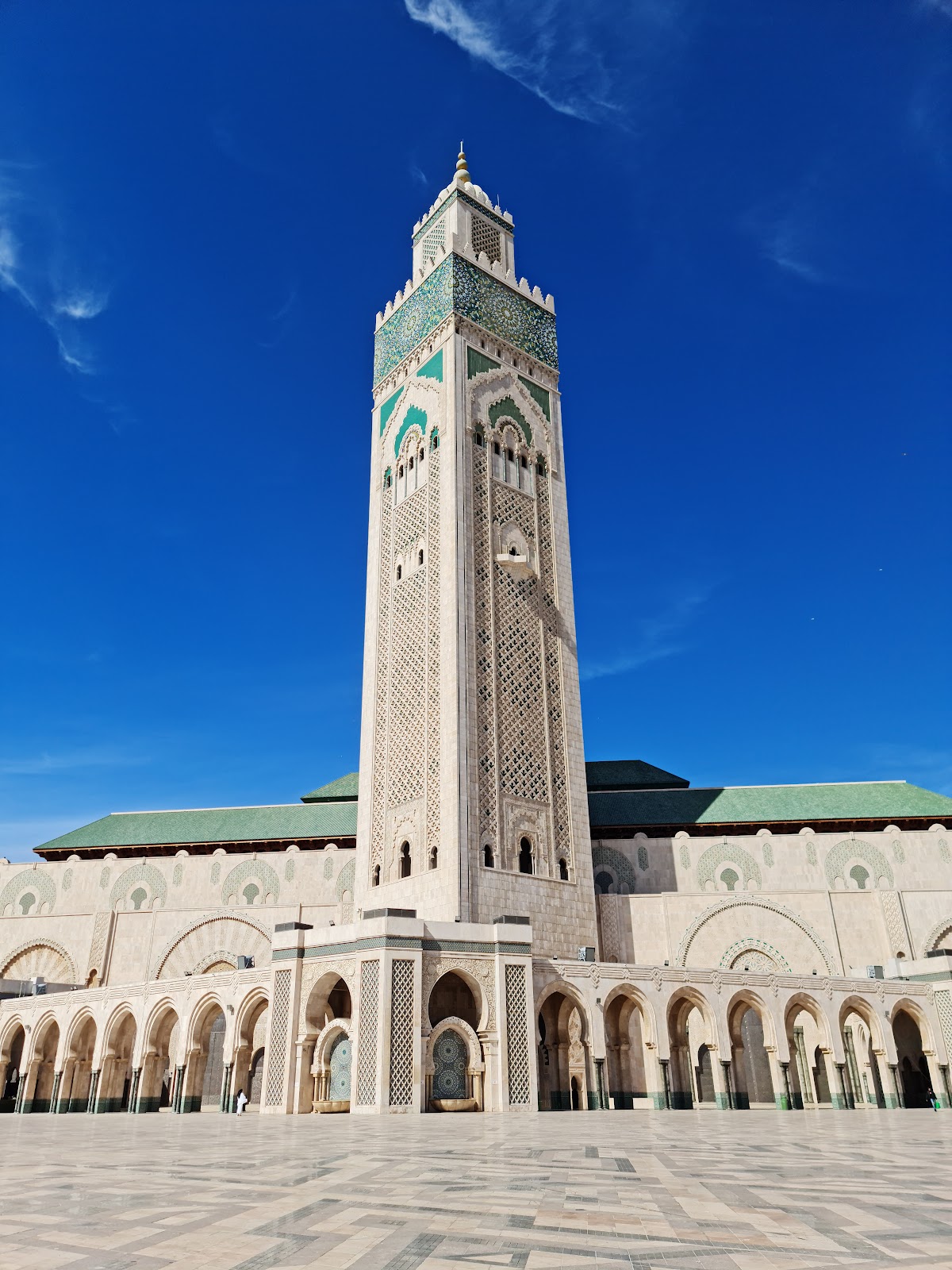
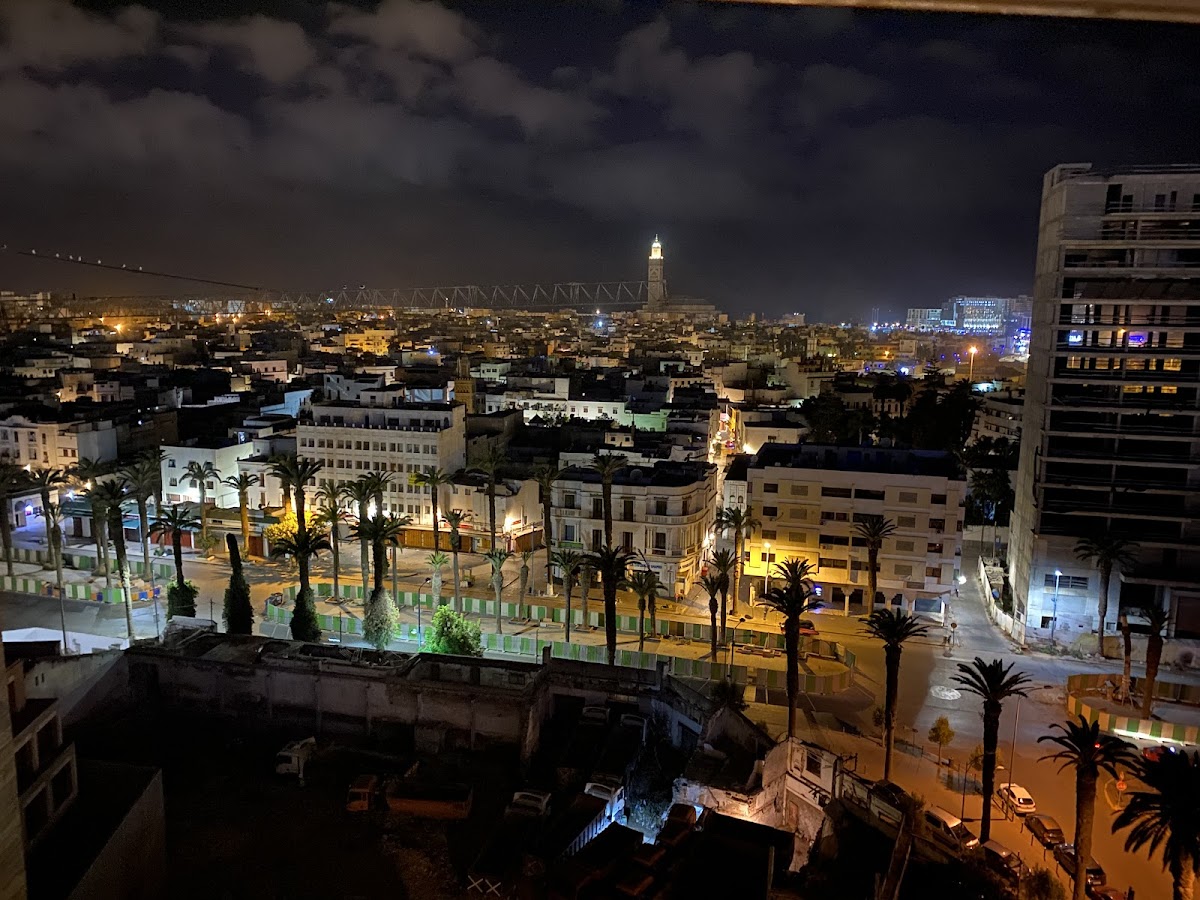
Casablanca is Morocco's largest city and economic capital — a busy Atlantic port and business hub, and the country's main trade-fair city, where food and halal expos are held at the OFEC exhibition grounds (Foire Internationale de Casablanca). Morocco is a Muslim-majority country, so unlike France or the Netherlands you do not need to hunt for halal: all commercially slaughtered meat is halal and effectively every restaurant serves halal food by default, from medina grills to modern cafés. The city's landmark is the vast Hassan II Mosque on the seafront — one of the largest mosques in the world and, unusually, one of the few in Morocco open to non-Muslim guided tours. Getting around is straightforward: a modern tramway crosses the city, and an ONCF train links the airport to the centre. One thing to plan for: the Moroccan dirham is a closed currency you can only get inside the country, so exchange on arrival.
Getting in
Mohammed V International Airport (CMN)
• ONCF train — about 45 min to Casa-Voyageurs / Casa-Port (the cheapest, most reliable link: trains run from the airport station straight to the central Casa-Voyageurs and Casa-Port stations, roughly every hour or so, for a low fixed fare — far better value than a taxi in traffic)
• Airport petit taxi — 30-50 min depending on traffic (regulated white airport cabs wait at arrivals; agree the fare or insist on the meter before setting off, as airport runs are a common spot for overcharging)
Getting around
Central Casablanca is walkable around the old medina, the Habous quarter and the seafront Corniche, but the city is large and spread out. The Casa Tramway is the backbone of public transport — four lines (T1-T4, the newest opened in 2024) crossing the city at a flat, cheap fare every ten minutes or so. For door-to-door trips the small red 'petit taxis' are the everyday workhorse.
Buy a rechargeable tramway card or single-journey tickets at the tram-stop machines; a single ride is a flat low fare regardless of distance. The tram is the simplest way to cover longer distances across the city without sitting in traffic.
Two kinds of taxi: small red 'petit taxis' (metered, in-city, up to three passengers) and larger cream 'grand taxis' (shared or hired for longer and intercity runs). For petit taxis, insist the driver runs the meter ('compteur') or agree the price first — meter-dodging and 'commission' detours to shops are the usual hustle. Ride-hailing apps operate but in a legal grey area, so the metered petit taxi is the dependable default.
Visa & entry
Money
Moroccan dirham · MAD
The dirham is a closed currency — you cannot buy or exchange it outside Morocco, so change money on arrival (airport, banks, ATMs or bureaux de change) and convert any leftover back before you leave. It is a cash-heavy economy: cards work in hotels, malls and upmarket restaurants, but carry cash for taxis, the medina, small cafés and the tram.
Tipping is customary for good service — round up in cafés, leave around 10% in restaurants, and a few dirhams for porters, guides and parking attendants.
Connectivity
Maroc Telecom, Orange and inwi prepaid SIMs from the airport and city shops (bring your passport to register); cheap data bundles are easy to buy
eSIM: Airalo, Holafly, Nomad and similar eSIMs cover Morocco
Plug: Type C / E (two round pins, European) · 220V / 50Hz
Emergency
General: 112 (works nationwide from a mobile)
Fire: 15 / 150 (fire & civil protection)
Safety
Most halal-expo buyers and exhibitors travel from the world's main halal hubs. Here's how to connect to Casablanca from each — entry rules vary by nationality, so check the Visa & entry note above.
Doha
Medina & street grills
Old Medina, Habous (New Medina) · $-$$
halal by default (Muslim-majority country)
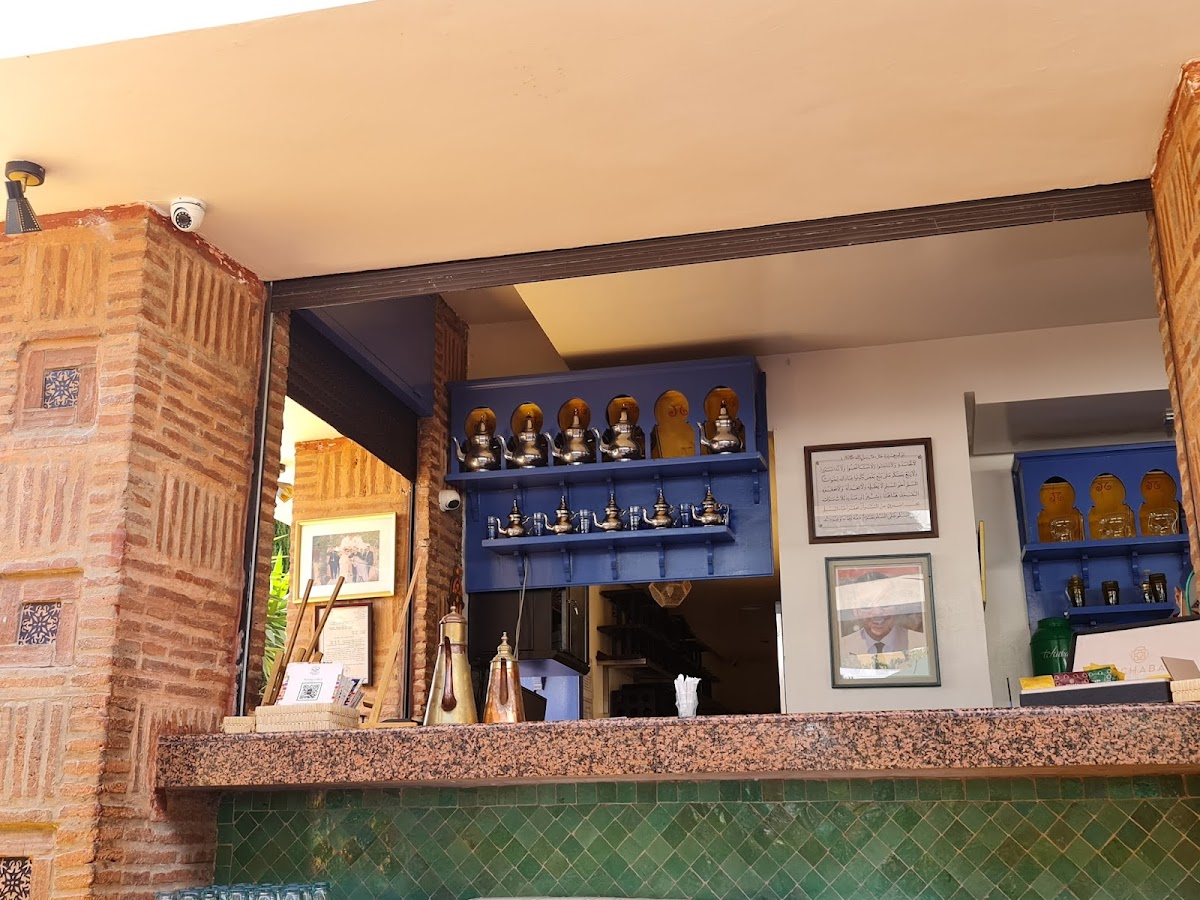
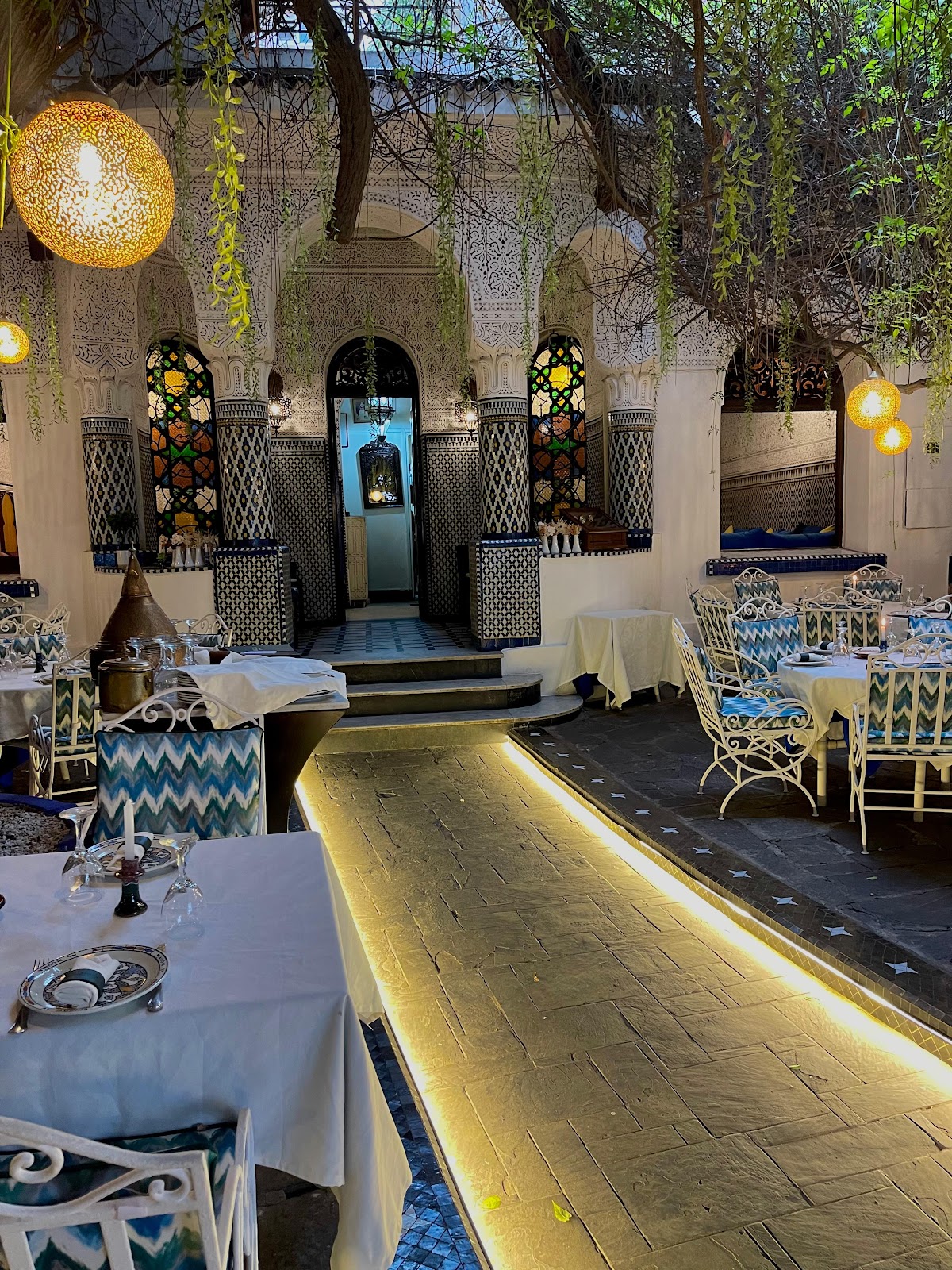
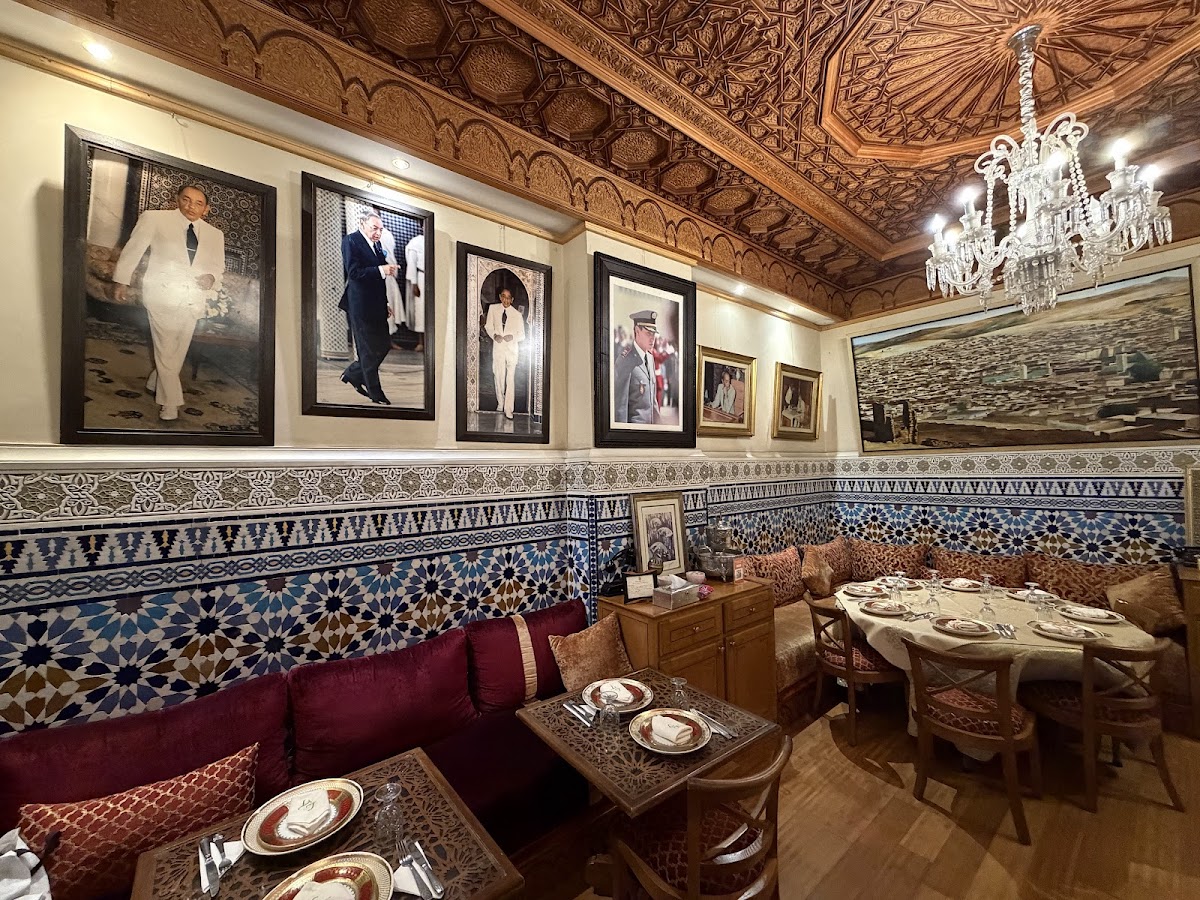
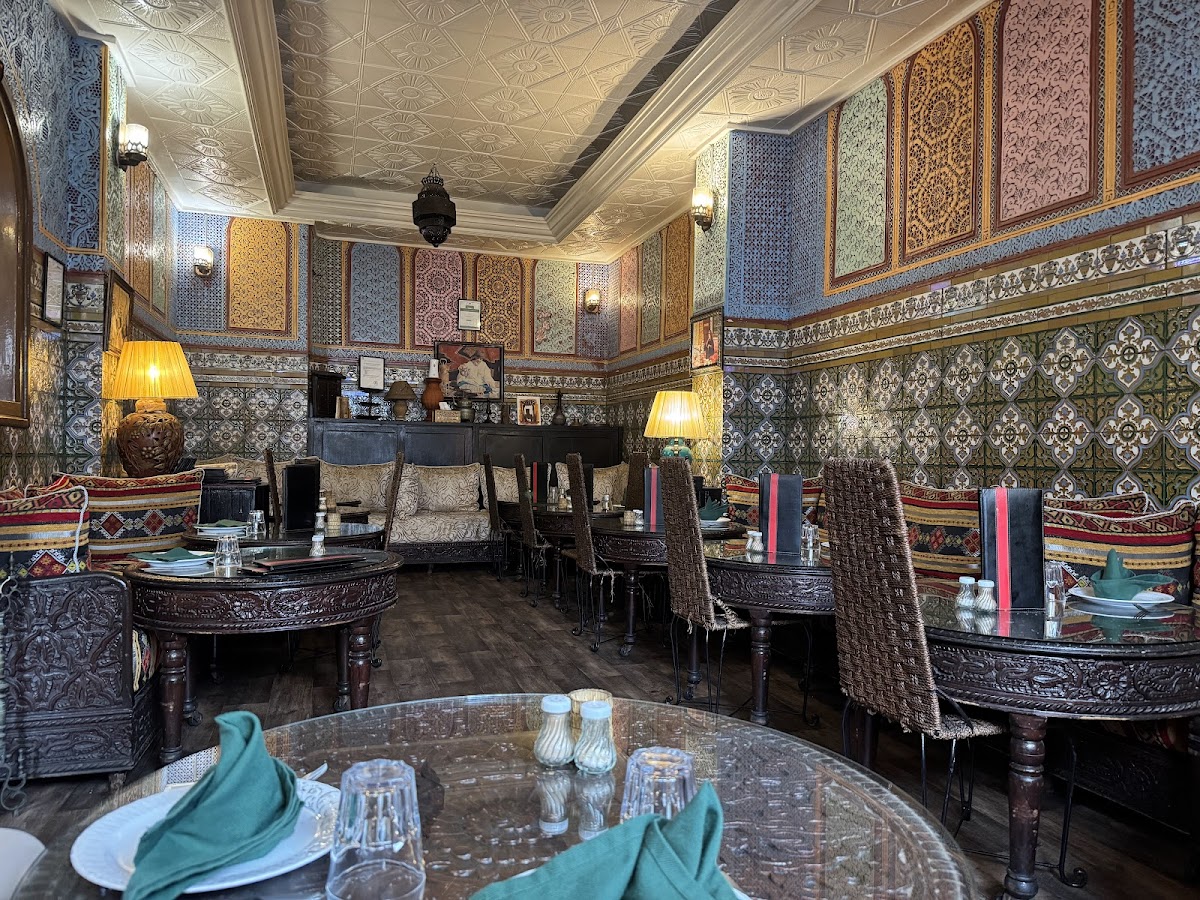
Tagine, couscous, grilled meats, brochettes, harira soup and fresh bread are everywhere and all halal — no need to check. The medina and the elegant Habous quarter are the classic spots for an affordable, authentic Moroccan meal.
Seafood & the Corniche
Aïn Diab / Corniche seafront · $$-$$$
halal by default
As a major Atlantic port, Casablanca does excellent grilled fish and seafood; the Corniche along the coast is lined with restaurants and cafés, a relaxed evening option near the Hassan II Mosque.
Modern cafés & international dining
Maarif, Gauthier, city centre · $$-$$$
halal by default; alcohol limited to licensed venues
The Maarif and Gauthier districts have a lively modern café and restaurant scene — patisseries, brunch spots and international food, all halal. Alcohol is legal but tightly licensed and easy to avoid; most everyday cafés don't serve it.
Patisseries & mint tea
citywide · $
halal
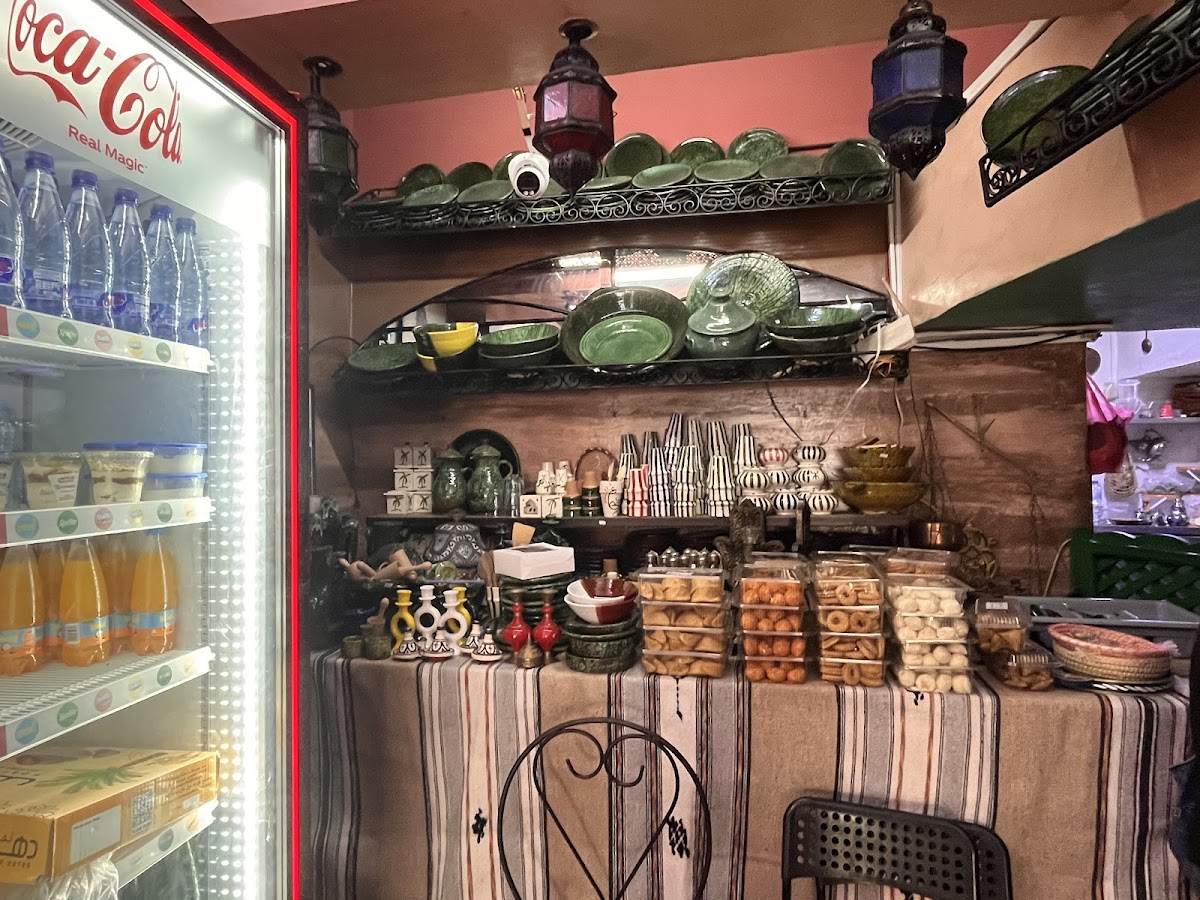
Morocco's French-influenced patisseries and the ritual of sweet mint tea are a daily pleasure — pastries, msemen and tea served all over the city, a perfect break between expo sessions.
Hassan II Mosque
seafront (Boulevard Sidi Mohammed Ben Abdallah)
One of the largest mosques in the world, built out over the Atlantic with a 210 m minaret and room for tens of thousands — the city's icon and a major Friday congregation. It is also one of the only mosques in Morocco non-Muslims can enter, via guided tours (held outside prayer times; on Fridays, tours run only after the midday prayer).
Neighbourhood mosques
every district
As a Muslim-majority city, mosques are on virtually every block and the call to prayer is audible across town, so finding a place to pray is never an issue wherever you are.
Airport prayer rooms
Mohammed V International Airport
The airport has dedicated prayer rooms (musalla) in the terminal for travellers, as is standard across Morocco.
Hassan II Mosque
seafront
Worth visiting in its own right for the scale and the craftsmanship; the exterior plaza on the Atlantic is free to walk, and guided interior tours run for non-Muslims outside prayer times.
Old Medina & Habous quarter
central / south of the centre
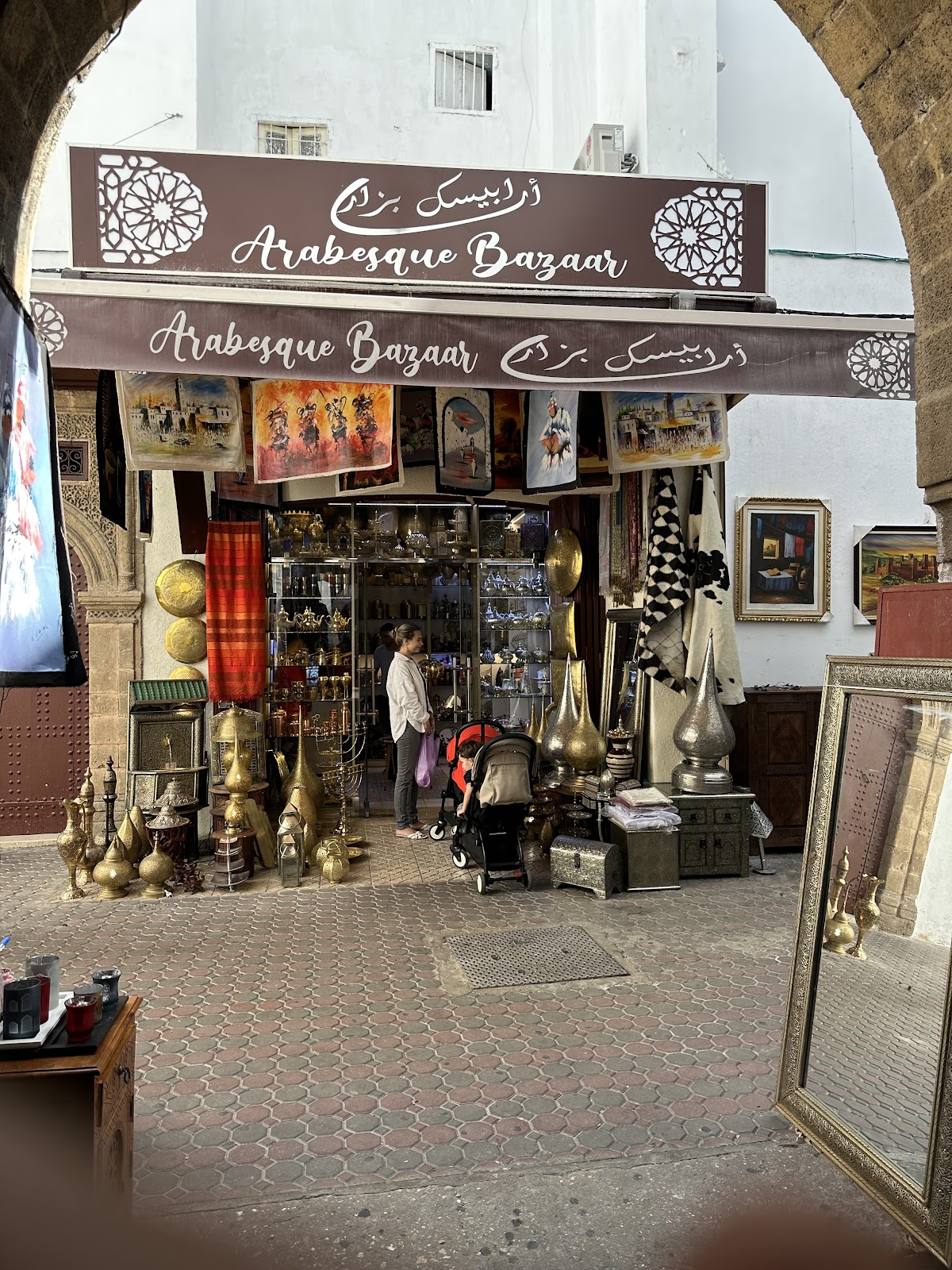
The walled Old Medina and the early-20th-century Habous (New Medina), with its arcades, bookshops and craft stalls, are the best places to wander, shop and eat for free.
Corniche & Aïn Diab
Atlantic seafront
The seafront promenade west of the mosque is the city's leisure strip — beaches, cafés and sunset views over the ocean, a relaxed free evening out.
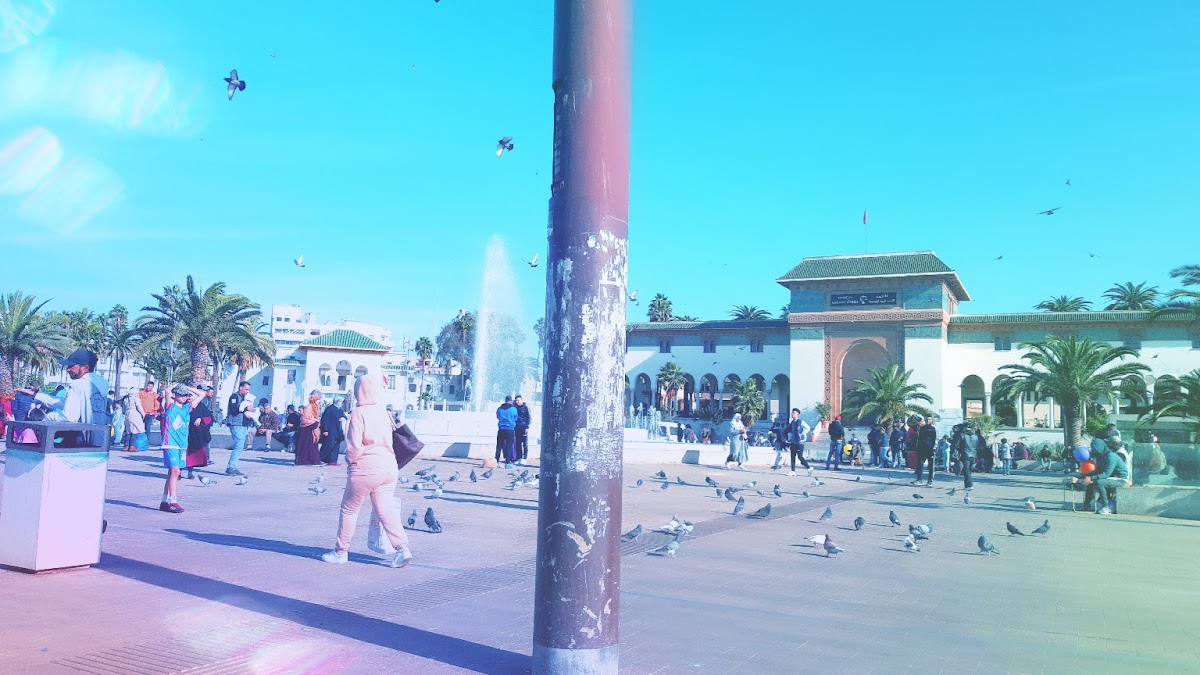
Place Mohammed V & Art Déco centre
city centre
Casablanca has one of the world's great concentrations of 1920s-30s Art Déco and Mauresque architecture around Place Mohammed V — a free self-guided walk through the old colonial-era downtown.
See the full Casablanca travel guide →
Sources: https://www.aeroportcasablanca.ma/en/ · https://en.wikipedia.org/wiki/Casablanca_Tramway · https://hassan2mosque.com/ · https://en.wikipedia.org/wiki/Visa_policy_of_Morocco
Qatar